Transforming New York’s Urban Fabric: The Visionary Work of Aufgang Architects
In the dynamic and ever-evolving landscape of New York City, where a rich past meets an urgent demand for future-proof development, a critical balance must be struck: honoring historical legacy while forging pathways for modern living. This intricate challenge is masterfully addressed by Aufgang Architects. Renowned for their groundbreaking contributions to adaptive reuse of landmark buildings and their significant commitment to delivering essential affordable housing, the firm operates primarily within New York City from its base in Suffern, N.Y., shaping the city’s architectural narrative one thoughtful project at a time.
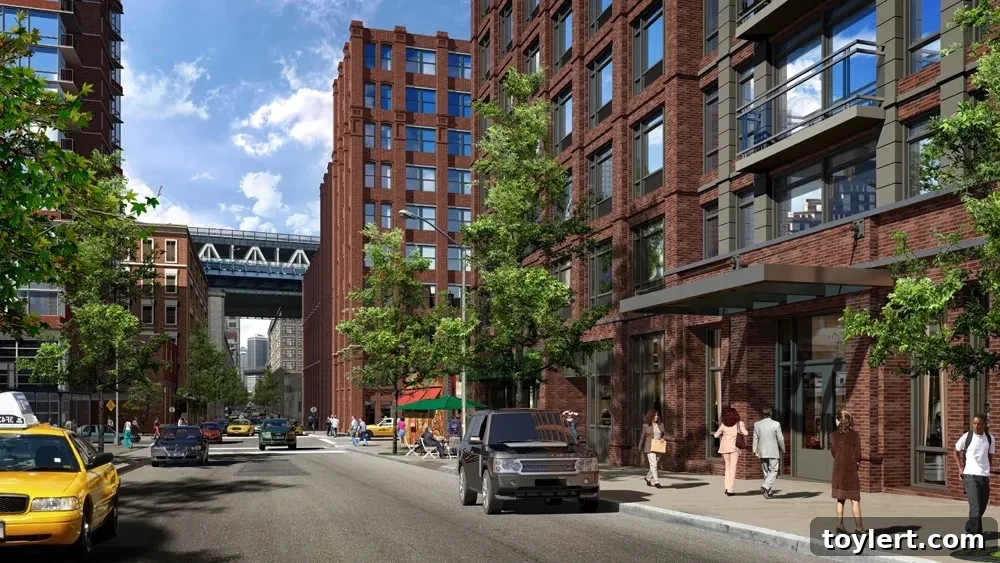
A remarkable 40 percent of Aufgang Architects’ practice is dedicated to affordable housing, underscoring their deep understanding of the diverse needs within urban communities. Their extensive portfolio showcases a broad spectrum of projects, from meticulously crafted luxury conversions to vital new residential developments, all unified by a philosophy that champions both heritage and contemporary innovation. A standout example of their expertise is the ongoing transformation of the former Brillo factory, a cherished landmark at 200 Water Street in Dumbo. This iconic structure is being sensitively converted into 15 exclusive luxury condominiums. Concurrently, on the adjacent lot at 181 Front Street, Aufgang Architects is designing a modern 12-story, 105-unit mixed-use rental building. These concurrent projects, as pictured above, vividly illustrate their unique ability to seamlessly integrate contemporary living into the city’s rich historical fabric.
Aufgang Architects: A Legacy of Innovation in Urban Development
Established on core principles of architectural excellence and community enrichment, Aufgang Architects has cultivated a distinctive position within New York’s highly competitive architectural sector. Their strategic focus on New York City allows them an unparalleled grasp of its intricate zoning regulations, diverse architectural styles, and the unique aspirations of its varied communities. The firm’s dual commitment to adaptive reuse and affordable housing extends beyond a mere business model; it embodies a broader vision for sustainable and inclusive urban living. They firmly believe that exceptional design should be accessible to all, and that historic structures, rather than facing demolition, offer unmatched character and environmental benefits when thoughtfully reimagined and redeveloped.
The firm’s impressive capability to manage projects of varying scales and complexities—from the delicate restoration of protected landmarks to the execution of large-scale new constructions—is a testament to their versatile expertise. Under the discerning leadership of principal Ariel Aufgang, the team approaches each endeavor with meticulous attention to detail, a profound respect for contextual integrity, and an unwavering dedication to creating spaces that genuinely enhance lives and stand the test of time. Their esteemed reputation is built upon a consistent record of successful outcomes that not only fulfill the immediate requirements of residents and developers but also contribute significantly and positively to the wider urban environment.
The Art of Adaptive Reuse: Breathing New Life into Historic Structures
Adaptive reuse is far more than a passing trend; it represents a powerful and essential strategy for sustainable urban development, forming a cornerstone of Aufgang Architects’ practice. This innovative approach involves thoughtfully repurposing existing buildings for new functions, thereby achieving multiple critical objectives: preserving invaluable architectural heritage, significantly reducing construction waste, and minimizing the environmental footprint typically associated with entirely new construction. In a city like New York, where history permeates every street, the transformation of old industrial facilities or underutilized commercial spaces into modern residential or dynamic mixed-use developments offers immense, multifaceted value.
The core of Aufgang Architects’ philosophy on adaptive reuse is a profound reverence for the original structure’s inherent character and its historical narrative. They operate on the principle that every building holds a story, and their design process is meticulously crafted to accentuate these existing narratives while skillfully introducing contemporary functionality and aesthetic appeal. This demanding process necessitates a nuanced understanding of stringent historic preservation guidelines, the navigation of complex structural engineering challenges, and the deployment of innovative design solutions to seamlessly integrate modern amenities without ever compromising the building’s authentic soul. For example, features such as soaring ceilings, expansive industrial-style windows, and exposed structural elements – often emblematic characteristics of former factory buildings – are meticulously preserved and integrated into the design of new luxury condominiums. This thoughtful approach provides residents with distinct, character-rich living spaces that are inherently unique and challenging for newly constructed buildings to replicate.
The advantages of adaptive reuse extend far beyond mere aesthetics. This practice significantly bolsters environmental sustainability by curbing the demand for new construction materials and substantially decreasing demolition waste. Furthermore, it fosters profound community continuity, as familiar landmarks are granted a vibrant new existence, thereby maintaining a vital connection to the neighborhood’s past while securing its future prosperity. This diligent stewardship of existing resources is a fundamental pillar of Aufgang Architects’ environmentally conscious design approach, yielding substantial economic and ecological benefits for all their projects.
Dumbo’s Dual Transformation: The Brillo Factory and 181 Front Street
The Brillo Factory: A Landmark Reimagined at 200 Water Street
One of the most compelling demonstrations of Aufgang Architects’ exceptional adaptive reuse capabilities is their transformative work on the former Brillo factory, located at 200 Water Street in Dumbo, Brooklyn. This iconic industrial building, once a bustling hub for the production of household cleaning products, occupies a significant place in the borough’s rich manufacturing history and is widely recognized for its distinctive architectural features. Its esteemed landmark status presented the firm with both a formidable challenge and an exciting opportunity: to meticulously restore and adapt the structure while rigorously adhering to stringent preservation standards.
The firm is currently converting this magnificent historic structure into 15 exquisite luxury condominiums, each thoughtfully designed to echo the building’s industrial heritage while simultaneously offering the pinnacle of modern comfort and sophisticated style. Envision expansive lofts featuring soaring ceilings, dramatically oversized windows that bathe interiors in an abundance of natural light, and carefully curated finishes that artfully blend contemporary elegance with the raw, authentic beauty of original brickwork and structural elements. These residences transcend mere living spaces; they represent unique fragments of Brooklyn’s vibrant history, ingeniously reinvented for sophisticated urban living. This pioneering project is poised to significantly enhance Dumbo’s already dynamic character, drawing in discerning residents who deeply appreciate the compelling fusion of historical authenticity and upscale amenities.
181 Front Street: A Modern Complement to a Historic Legacy
Demonstrating their comprehensive and holistic approach to urban planning, Aufgang Architects is simultaneously developing a brand-new, 12-story mixed-use rental building at 181 Front Street, situated on the very same lot. This complementary project serves as a testament to the firm’s exceptional ability to seamlessly integrate new construction within a historically sensitive urban context. The meticulously designed 105-unit building will feature a diverse array of rental apartments, thoughtfully complemented by vibrant ground-floor retail or community spaces, thereby fostering a dynamic and engaging environment for both its residents and the broader neighborhood.
The architectural design of 181 Front Street has been meticulously conceived to gracefully harmonize with its landmark neighbor without ever overshadowing its historical presence. While distinctly modern in its aesthetic, the building thoughtfully draws inspiration from Dumbo’s rich industrial vernacular, employing materials and forms that resonate profoundly with the area’s established character. This careful juxtaposition creates an engaging dialogue between the past and the present, offering varied living options within a cohesive and thoughtfully planned urban block. The strategic inclusion of new rental units and flexible mixed-use spaces further solidifies Dumbo’s reputation as a thriving, diverse community, providing critically needed housing and desirable amenities to one of Brooklyn’s most coveted and rapidly evolving neighborhoods.
Shaping Brooklyn’s Skyline and Community: Aufgang’s Broader Contributions
Beyond these prominent and transformative Dumbo projects, Aufgang Architects exerts a far-reaching and significant influence across Brooklyn and, indeed, throughout the entirety of New York City. Their extensive body of work contributes profoundly to shaping the borough’s dynamic skyline and consistently enhancing its diverse communities. From revitalizing long-overlooked industrial zones to meticulously delivering critically needed affordable housing complexes, the firm’s projects are invariably characterized by a deep and intuitive understanding of urban context and an unwavering commitment to crafting places where people genuinely aspire to live, work, and thrive.
Their active involvement in an impressive array of diverse neighborhoods vividly underscores their remarkable versatility and unwavering dedication to a holistic approach to urban development. Whether it entails expertly transforming a venerable old warehouse into stylish, contemporary residences, meticulously designing a new multi-family building that integrates flawlessly into a historically rich district, or ingeniously crafting sustainable solutions for dense urban environments, Aufgang Architects consistently demonstrates an unparalleled capacity to deliver impactful and enduring architectural solutions. Their projects are never merely structures; they are powerful catalysts for community growth, robust economic vitality, and pioneering architectural innovation, consistently contributing to the ongoing, vibrant evolution of Brooklyn’s unique and cherished identity.
Ariel Aufgang’s Vision: Harmonizing Architectural Past with Future Needs
At the helm of this exceptionally innovative firm is Principal Ariel Aufgang, whose clear and compelling vision consistently guides its expansive and diverse portfolio. His distinctive approach emphasizes a delicate yet critical balance between meticulously preserving the inherent integrity of historic structures and skillfully infusing them with a vibrant, contemporary relevance. He passionately champions the profound idea that architecture must actively respond to current societal needs while simultaneously maintaining a deep respect for its environmental and historical context. This fundamental philosophy is tangibly evident in every single project undertaken by the firm, where thoughtful design rigorously ensures longevity, optimal functionality, and enduring aesthetic appeal.
Ariel Aufgang’s inspiring leadership cultivates a truly collaborative and dynamic environment where boundless creativity flourishes seamlessly alongside unparalleled technical precision. He is a fervent advocate for sustainable practices, intelligent and responsible material selection, and, crucially, designs that significantly enhance the overall quality of life for all inhabitants. His consistently forward-thinking perspective guarantees that Aufgang Architects remains firmly at the forefront of cutting-edge urban development, confidently tackling complex challenges with pioneering and ethically responsible solutions that consistently set new, elevated benchmarks for design excellence not only within New York City but also on a broader global scale.
Pioneering Sustainable Urban Living
Aufgang Architects stands as a quintessential example of how a progressive architectural practice can successfully intertwine commercial enterprise with a profound sense of civic responsibility. Their unwavering dedication to adaptive reuse not only plays a vital role in preserving the irreplaceable architectural heritage of New York City but also vigorously champions sustainable building practices for a greener future. Simultaneously, their substantial and deeply felt commitment to providing affordable housing addresses an unequivocally critical urban need, powerfully demonstrating that quality design and accessible living are, in fact, not mutually exclusive but entirely achievable in harmony.
Through landmark conversions like the iconic Brillo factory at 200 Water Street and thoughtfully conceived new constructions such as 181 Front Street, Aufgang Architects continues to leave an indelible and lasting mark on New York’s intricate urban fabric. Their collective body of work is a compelling testament to the transformative power of visionary architecture to reshape spaces, enrich communities, and meticulously pave the way for a more sustainable, equitable, and vibrant urban future. As global cities continue their relentless trajectory of growth and evolution, firms like Aufgang Architects will undoubtedly remain pivotal in ensuring that this growth is meaningful, respectful of the past, and, most importantly, enduring for generations to come.