Decoding the Scofflaw Patrol: An In-Depth Look at Urban Traffic Enforcement in New York City
In the bustling, dynamic streets of New York City, where millions navigate daily, the challenge of maintaining order extends far beyond typical traffic flow. One crucial, yet often enigmatic, aspect of urban management is the enforcement of traffic violations. While traditional police patrols handle immediate infractions, a more specialized unit occasionally surfaces to address accumulated debt: the Scofflaw Patrol. These units represent the city’s concerted effort to reclaim unpaid fines and ensure compliance, an often-unseen but vital cog in the complex machinery of metropolitan governance.
The appearance of a Scofflaw Patrol van can evoke a mix of curiosity and apprehension among residents. For drivers with a clean record, it’s a momentary puzzle; for those with outstanding tickets, it’s a stark reminder of pending obligations. This article delves into the operations of these patrols, their significance in New York City, and what their presence means for the everyday motorist. From the initial sighting on a Brooklyn street to the broader implications for urban fiscal health and road safety, understanding the Scofflaw Patrol is key to grasping the comprehensive approach to traffic enforcement in one of the world’s busiest cities.
A Glimpse into Brooklyn’s Streets: The Initial Sighting and Public Reaction
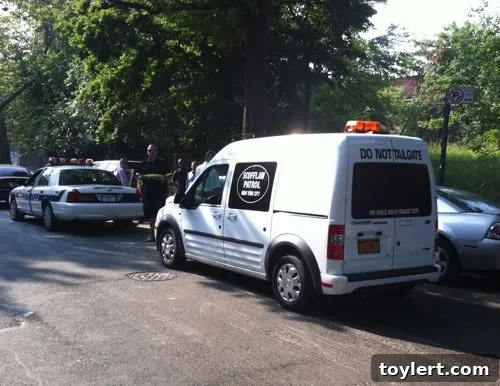
The urban landscape of Brooklyn, with its historic neighborhoods and vibrant street life, often serves as a backdrop for unique city phenomena. Such was the case on a particular morning when a distinctive Scofflaw Patrol van was spotted cruising through Lefferts Place in Clinton Hill. Shortly thereafter, another sighting was reported in Vinegar Hill, signaling an active presence in the borough. These unexpected appearances sparked immediate questions among residents: What exactly is a Scofflaw Patrol? What are their objectives, and who authorizes their operations?
Initially, information regarding these patrols was scarce, leading to a degree of public bewilderment. The internet, a usual fount of instant knowledge, offered limited details, underscoring the specialized nature of this enforcement arm. This lack of readily available information often fuels speculation and uncertainty, particularly when a new or less-known enforcement body appears on the streets. The sightings highlighted a critical need for greater transparency and public awareness regarding such municipal operations, ensuring that drivers are not caught unaware by the consequences of accumulating traffic violations. The immediate reaction from the community underscored a common human inclination to seek clarity when faced with an unfamiliar authority, especially one that could directly impact their daily lives and finances.
Unmasking the “Scofflaw Patrol”: Private Enforcement, Public Mandate
The mystery surrounding the Scofflaw Patrol began to unravel with subsequent investigations, revealing a fascinating model of urban enforcement. It became clear that these operations were not conducted directly by city agencies in all instances, but rather by private companies authorized to act on the city’s behalf. This public-private partnership is a common strategy employed by municipalities to enhance efficiency and recover unpaid debts, leveraging external resources to tackle issues that city departments might find challenging to manage solely.
The authorization granted to these private entities empowers them to take direct action against vehicles with significant outstanding debt. Specifically, these patrols are mandated to place “boots” on cars that have accumulated more than $350 in unpaid traffic tickets. This threshold is not arbitrary; it signifies a driver who has repeatedly ignored summonses, moving from simple infractions to a more serious status as a “scofflaw” – one who habitually disregards the law. The decision to outsource this enforcement function often stems from a city’s need to optimize resource allocation, allowing city personnel to focus on other critical public services while external experts handle the often-laborious process of debt collection and vehicle immobilization.
The existence of such a system was further illuminated by a Daily News story from April 2012, which provided critical context and confirmed the operational details of these private scofflaw patrols. This partnership model reflects a pragmatic approach to urban finance and compliance, ensuring that those who repeatedly flout traffic regulations eventually face tangible consequences. By setting a clear monetary threshold, the city aims to target chronic offenders, thereby promoting a sense of fairness among compliant drivers and reinforcing the importance of adhering to traffic laws.
The Mechanics of Operation: How Scofflaw Patrols Work
The operational mechanism of a Scofflaw Patrol is both sophisticated and direct. These private companies often employ advanced technology, such as license plate recognition (LPR) systems, mounted on their vehicles. As they patrol designated areas, the LPR systems rapidly scan license plates, cross-referencing them against a city database of vehicles with outstanding violations. When a match is found for a vehicle exceeding the $350 threshold in unpaid tickets, the patrol unit is alerted.
Upon identifying a target vehicle, the enforcement officers proceed to immobilize it by attaching a “boot” to one of its wheels. This device prevents the car from being driven, compelling the owner to address their outstanding debt. The process is designed to be swift and efficient, minimizing disruption to traffic flow while ensuring the immediate consequence for non-compliance. Drivers are typically left with clear instructions on how to resolve their fines and arrange for the boot’s removal, which usually involves paying all outstanding tickets, along with an additional boot removal fee and potentially storage fees if the vehicle is towed after a period of immobilization.
The inconvenience and financial burden imposed by a booted vehicle are significant. It’s not just the sum of the original fines; additional penalties and fees quickly accumulate, making it considerably more expensive to resolve the issue after a boot has been applied than to pay the tickets promptly. This escalating cost serves as a powerful deterrent, encouraging drivers to stay informed about their violations and address them before they reach the scofflaw threshold. The integration of technology and a streamlined process makes these patrols highly effective in recovering revenue and enforcing compliance, creating a tangible consequence for those who might otherwise ignore their traffic obligations indefinitely.
The Broader Context: Why Aggressive Enforcement Matters
While often viewed as an inconvenience by affected drivers, the aggressive enforcement tactics employed by Scofflaw Patrols are rooted in a broader context of urban management and fiscal responsibility. These efforts extend beyond simply penalizing individuals; they are integral to the functioning of a large metropolis like New York City.
Revenue Generation for the City
One of the primary drivers behind vigilant traffic enforcement is the significant revenue it generates for the municipal budget. Cities face immense financial pressures to fund essential services such as public transportation, road maintenance, sanitation, education, and emergency services. Traffic and parking fines contribute substantially to these funds. When a large volume of tickets goes unpaid, the city loses out on critical revenue that could otherwise be invested back into the community. Scofflaw patrols are therefore a crucial mechanism for recouping these lost funds, ensuring that the financial burden of municipal operations is not disproportionately borne by compliant taxpayers.
Promoting Road Safety and Compliance
Beyond fiscal considerations, aggressive enforcement also plays a vital role in promoting road safety and overall compliance with traffic laws. A driver who accumulates numerous tickets for parking violations, speeding, or other infractions is often demonstrating a disregard for established rules that are designed to ensure safety and order. By targeting these chronic offenders, scofflaw patrols help to instill a greater sense of accountability among motorists. This encourages safer driving habits, reduces congestion, and improves the overall quality of urban life for pedestrians, cyclists, and other drivers. The goal is to deter repeat offenses, fostering an environment where traffic laws are respected, leading to a more orderly and predictable urban experience for everyone.
Navigating the System: Advice for Drivers in NYC
For drivers navigating the complex traffic landscape of New York City, understanding how to avoid becoming a “scofflaw” is paramount. Proactive measures and prompt attention to traffic-related matters can save considerable time, money, and stress.
Staying Informed About Your Violations
The first and most critical step is to regularly monitor your vehicle’s status for any outstanding violations. Many cities, including New York, offer online portals where drivers can enter their license plate number to check for parking tickets, camera violations, and other infractions. Mail can sometimes be delayed or misplaced, especially if you’ve recently moved. Therefore, relying solely on physical notices is risky. Regularly checking the official city Department of Finance website can provide peace of mind and prevent small fines from escalating into significant debts. Staying informed allows drivers to address tickets while they are still manageable, long before they reach the critical $350 threshold that triggers scofflaw enforcement.
Understanding the Consequences
The penalties for unpaid traffic tickets extend far beyond the initial fine. As tickets accumulate, late fees and interest are added, rapidly increasing the total amount due. If the debt exceeds the scofflaw threshold, your vehicle becomes subject to booting, which incurs additional fees for boot removal. In more severe cases or if the vehicle remains booted for an extended period, it may be towed, adding towing and storage fees to an already substantial bill. Furthermore, accumulated unpaid tickets can lead to issues with vehicle registration renewal and, in some jurisdictions, even driver’s license suspension. Understanding these cascading consequences can serve as a powerful motivator to resolve violations promptly.
Resolving Issues Promptly
Once a ticket is received, it is imperative to address it without delay. Drivers have several options: paying the fine, contesting the ticket, or in some cases, setting up a payment plan. For those who believe a ticket was issued in error, contesting it through the appropriate channels is a legitimate course of action. However, it is crucial to follow the correct procedures and deadlines for appeals. For undisputed tickets, immediate payment prevents the accumulation of late fees and the risk of enforcement actions. Many cities offer convenient online payment options, making it easier than ever to settle fines quickly. By taking prompt action, drivers can avoid the inconvenience and heightened costs associated with a Scofflaw Patrol intervention, ensuring a smoother and more compliant experience on New York City’s roads.
Conclusion: A Vital Component of Urban Management
The Scofflaw Patrol, whether operated by municipal agencies or authorized private companies, stands as a critical and often underestimated component of urban management in New York City. Its presence underscores the city’s commitment to upholding traffic laws, ensuring equitable contribution to public services through fine collection, and ultimately fostering a safer and more orderly urban environment. While sometimes met with apprehension, these patrols serve as a necessary enforcement arm, reminding drivers of their responsibilities and the tangible consequences of neglecting traffic violations. By understanding their function and taking proactive steps, New York City drivers can navigate the urban landscape with greater awareness and avoid the costly implications of becoming a scofflaw.