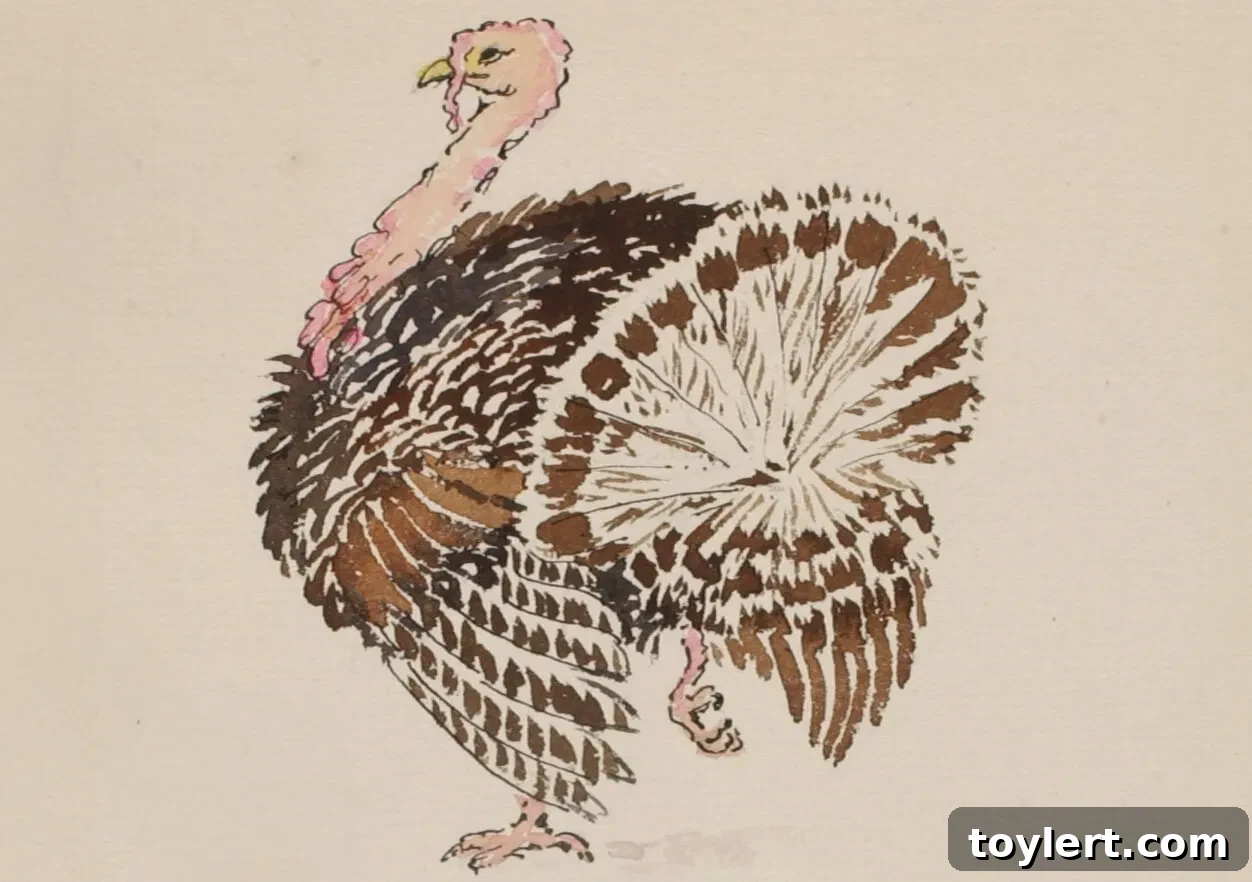
A Deep Dive into Brooklyn’s Thanksgiving Traditions: A Historical and Modern Perspective
Thanksgiving stands as a quintessential American holiday, conjuring vivid images of bountiful tables laden with food, the warm glow of autumnal colors, and the joyous sounds of friends and family gathering in heartfelt celebration. While days of thanks and harvest festivals were common in various forms throughout the early 19th century, it wasn’t until 1863, amidst the profound challenges of the Civil War, that Thanksgiving became an officially recognized U.S. national holiday. This pivotal moment, championed by figures like Sarah Josepha Hale and proclaimed by President Abraham Lincoln, solidified its place in the national consciousness. But how exactly have the residents of Brooklyn, a borough renowned for its rich history and diverse communities, embraced and celebrated this food-centered holiday through the generations? Let’s journey through a few tales and traditions of Brooklyn Thanksgivings, exploring its evolution from historical observances to the vibrant modern celebrations of today.
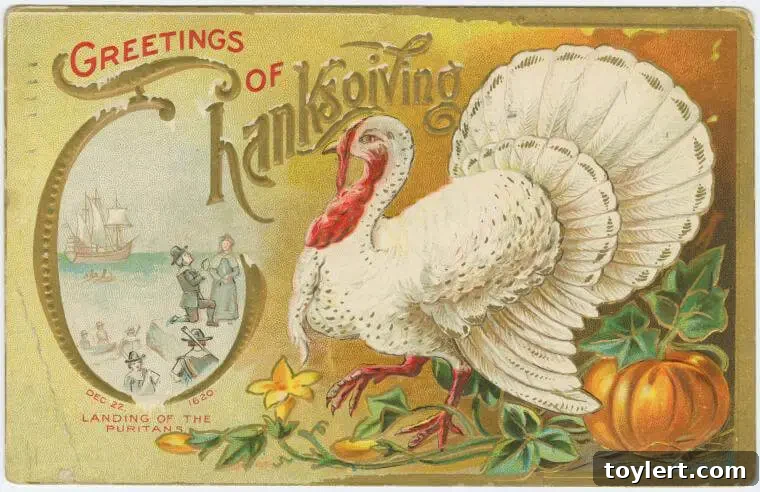
The Genesis of a National Tradition: How Thanksgiving Came to Be
Before delving into Brooklyn’s specific relationship with Thanksgiving, it’s essential to understand the holiday’s broader origins. While many associate Thanksgiving with the 1621 harvest feast shared by Pilgrims and Wampanoag Native Americans in Plymouth, Massachusetts, this event was not an annual tradition. Throughout the colonial period and early years of the United States, various communities and states declared their own days of thanksgiving, often in response to specific blessings or successful harvests. However, there was no uniform, nationwide observance.
The movement to establish Thanksgiving as a national holiday was largely spearheaded by Sarah Josepha Hale, a prominent magazine editor and author. For decades, Hale wrote countless editorials, letters to governors, and appeals to presidents, advocating for a fixed national day of thanks. Her relentless efforts culminated during the Civil War. In 1863, President Abraham Lincoln, seeing the potential for a unifying force amidst national division, issued a proclamation establishing the last Thursday of November as a national day of Thanksgiving. This act transformed scattered local customs into a powerful symbol of unity, gratitude, and national identity, forever changing how Americans would commemorate this special day.
Early Brooklyn Thanksgivings: A Glimpse into the 19th and Early 20th Centuries
With Thanksgiving officially established, Brooklynites, like their counterparts across the nation, began to weave the holiday into the fabric of their community life. In the burgeoning borough of Brooklyn, then a collection of distinct towns and villages before its consolidation into New York City, Thanksgiving was primarily a day for religious observance, family gatherings, and charitable acts. Churches held special services, giving thanks for blessings received throughout the year. Families, whether new immigrants or long-established residents, would gather for elaborate feasts, often featuring roasted fowl, seasonal vegetables, and pies – a tradition that continues to this day.
The late 19th and early 20th centuries saw Brooklyn rapidly grow into a bustling metropolis. As neighborhoods like Brooklyn Heights, Park Slope, and Bedford-Stuyvesant developed, so too did unique Thanksgiving customs. Local merchants would deck out their storefronts with festive autumn displays, and community organizations often hosted events for those less fortunate. Advertisements from the era showcase an increasing focus on the culinary aspects of the holiday, with butchers, grocers, and bakers promoting their finest turkeys, cranberries, and pumpkin pies. Public transportation would often see a surge in passengers, as families traveled across the borough, and even from Manhattan, to unite for the cherished holiday meal. These early celebrations laid the groundwork for the rich tapestry of traditions that define Thanksgiving in Brooklyn today.
The Modern Thanksgiving Kaleidoscope in Brooklyn: Food, Festival, and Frolic
Thanksgiving in America has always been a rather unique blend of festival, food, and frolic, and Brooklyn truly embodies this multifaceted spirit. For many Brooklynites, the day begins with the thrilling spectacle of the Macy’s Thanksgiving Day Parade, which, while originating in Manhattan, is a beloved tradition eagerly watched by countless families across the East River, either live or on television. The giant balloons, elaborate floats, and marching bands signal the official start of the holiday season, filling the air with anticipation and childlike wonder.
The heart of any Brooklyn Thanksgiving, however, remains the feast. The aroma of roasting turkey, savory stuffing, creamy mashed potatoes, and sweet cranberry sauce fills homes from Bay Ridge to Williamsburg. Brooklyn’s diverse population also means a rich culinary mosaic; while classic dishes hold sway, it’s not uncommon to find Thanksgiving tables featuring Caribbean influences, Italian specialties, or unique fusion dishes that reflect the borough’s multicultural palate. Potluck gatherings are popular, allowing families and friends to share their own heritage and culinary prowess.
Post-meal, the frolic truly begins. For many, this involves the quintessential American tradition of gathering around the television to watch two teams of modern gladiators — professional football players — beat each other silly for the prize of bragging rights and a silver trophy. Others opt for more active pursuits, taking a stroll through Prospect Park, enjoying a neighborhood walk to admire the fall foliage, or engaging in spirited board games and lively conversations with loved ones. It’s a day dedicated to slowing down, appreciating companionship, and creating lasting memories.
Beyond the Feast: Community and Compassion in Brooklyn
While the focus on food and family is paramount, Thanksgiving in Brooklyn also highlights the borough’s strong sense of community and commitment to giving back. Numerous soup kitchens, food pantries, and charitable organizations across Brooklyn ramp up their efforts during the holiday season. Volunteers dedicate their time to serving warm meals to those experiencing homelessness, distributing food baskets to families in need, and providing companionship to individuals who might otherwise spend the holiday alone. This spirit of altruism is a vital component of Brooklyn’s Thanksgiving, reflecting the true meaning of gratitude and generosity.
Local schools, community centers, and religious institutions often host their own Thanksgiving events, ranging from potlucks that bring neighbors together to performances that celebrate the holiday’s themes. These gatherings foster a sense of belonging and reinforce the idea that Thanksgiving is not just about personal abundance but also about collective well-being and shared humanity. Whether it’s a small block party or a large-scale charity drive, Brooklynites consistently demonstrate their willingness to extend hospitality and support to all members of their diverse community during this special time of year.
The Enduring Spirit of Thanksgiving in Brooklyn
From its origins as a unifying national holiday to its contemporary embodiment as a vibrant borough-wide celebration, Thanksgiving in Brooklyn is a testament to tradition, adaptation, and community spirit. It’s a day when the past intertwines with the present, where historical customs are honored alongside new traditions born from a melting pot of cultures. The timeless elements of gratitude, family, and feasting remain central, but they are continually enriched by the unique energy and diversity that define Brooklyn itself. As the autumn leaves fall and the crisp air signals the arrival of winter, Brooklynites continue to gather, break bread, and give thanks, upholding a cherished holiday that truly reflects the heart and soul of this remarkable borough. Thanksgiving in Brooklyn is more than just a holiday; it’s an annual narrative of shared joy, historical reflection, and profound connection.