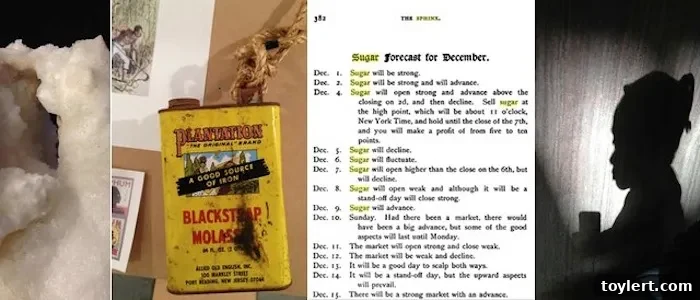
A Subtlety: Kara Walker’s Monumental Sugar Sphinx at the Historic Domino Factory
In a groundbreaking move that captivated the art world and public alike, acclaimed artist Kara Walker transformed the cavernous, derelict interior of Brooklyn’s iconic Domino Sugar Factory into a monumental, site-specific art installation in May 2014. Titled “A Subtlety or the Marvelous Sugar Baby: An Homage to the unpaid and overworked Artisans who have refined our Sweet tastes from the cane fields to the Kitchens of the New World,” this ambitious project was orchestrated by the esteemed arts nonprofit Creative Time. The installation stood as a powerful, albeit ephemeral, commentary on a radical range of intertwined historical and social themes, marking a significant departure and expansion of Walker’s already provocative artistic practice.
The colossal artwork, sprawling across an impressive 90,000 square feet, presented an unparalleled sensory and intellectual experience. It invited visitors to confront the complex legacy of the sugar industry, an industry built on the backs of exploited labor and deeply interwoven with the fabric of global colonialism, trade, and power dynamics. The choice of the Domino Sugar Factory, a symbol of industrial might and a site where raw sugar was processed for generations, was not merely coincidental but integral to the narrative Walker sought to unravel. As Gothamist initially reported, the news of Walker’s upcoming installation generated considerable buzz months before its public unveiling.
Kara Walker: A Visionary Artist Challenging History and Identity
Kara Walker is widely recognized as one of the most compelling and controversial contemporary artists of her generation. Born in Stockton, California, in 1969, her work primarily delves into the complex and often disturbing narratives of race, gender, sexuality, violence, and identity. She is renowned for her use of stark, black-and-white silhouette figures, a technique that evokes a historical aesthetic while simultaneously subverting nostalgic interpretations of the past. These silhouettes, often depicted in exaggerated or grotesque scenarios, force viewers to grapple with the uncomfortable truths of American history, particularly the brutal legacy of slavery and the Antebellum South.
Prior to “A Subtlety,” Walker had established a formidable reputation for creating installations that are both visually striking and intellectually demanding. Her work frequently challenges conventional historical narratives, inviting a critical re-examination of how history is told and remembered. Through her art, she exposes the racial and sexual stereotypes embedded within cultural memory, pushing boundaries and sparking essential, albeit sometimes difficult, conversations. “A Subtlety” represented a significant evolution in her practice, moving beyond her signature two-dimensional silhouettes into a colossal, three-dimensional, and architecturally immersive public art experience, yet retaining her critical gaze on historical exploitation.
The Domino Sugar Factory: A Sweet, Yet Bitter Legacy
The Domino Sugar Factory, a towering complex on the Williamsburg waterfront, stands as a potent symbol of Brooklyn’s industrial past and the global history of sugar production. For over 150 years, from its establishment in 1856 by the Havemeyer family (initially as the Williamsburg Refinery), it was a pivotal player in the American sugar industry, processing raw sugar cane into the refined product that sweetened tables across the nation. At its peak, it was the largest sugar refinery in the world, a bustling hub of activity employing thousands of workers and shaping the economic landscape of the borough.
However, the sweet history of sugar is inextricably linked to a bitter past of forced labor and immense suffering. The sugar cane itself was historically cultivated in the Caribbean and the American South through the brutal system of chattel slavery, and later by poorly paid indentured laborers. The vast wealth generated by sugar fueled colonial empires and contributed significantly to the transatlantic slave trade. By the time Domino became a prominent refiner, the direct link to slave labor in the fields had technically ceased in the US, but the industry’s foundations were laid by it, and subsequent labor practices often involved exploitation. The factory’s imposing structure, with its worn bricks and industrial machinery, silently bore witness to generations of labor, both free and otherwise, and the immense profits derived from a commodity with such a fraught history. Closed in 2004, the factory had become a monumental relic, awaiting redevelopment, making it an ideal, historically charged canvas for Walker’s commentary.
“A Subtlety or the Marvelous Sugar Baby”: Unpacking the Monumental Installation
At the heart of “A Subtlety” was an awe-inspiring, sphinx-like sculpture, towering approximately 35 feet high and 75 feet long, meticulously crafted from millions of pounds of sugar. This monumental figure, overtly caricatured and overtly sexualized, took the form of a mammy figure – a derogatory stereotype of black women historically depicted as subservient caregivers. Her head was adorned with a kerchief, her breasts were prominent, and her posterior was exaggerated, creating a powerful, unsettling, and undeniable presence within the vast, echoing factory space.
The choice of sugar as the primary medium was profoundly symbolic. Sugar, a substance associated with sweetness, luxury, and pleasure, was transformed into a medium for critique. Its inherent fragility and susceptibility to decay underscored the ephemeral nature of life, labor, and even history itself. As visitors navigated the factory, they were met not only by the imposing “Sugar Baby” but also by a series of smaller, molasses-covered child figures scattered throughout the space. These poignant, melting figures further emphasized themes of innocence lost, exploitation, and the raw, unrefined essence of sugar before its transformation, echoing the raw, unrefined truths of history.
Walker’s “Sugar Baby” was an intentional provocation, a visual pun and a powerful metaphor. The term “subtlety” itself has historical roots, referring to elaborate sugar sculptures that were once used as decorative centerpieces at aristocratic feasts – edible art symbolizing wealth and power. By recontextualizing the “subtlety” on such a massive scale and with such an explicit political message, Walker inverted its historical meaning, using the very material of opulence to highlight the unseen labor and suffering that made such opulence possible. The sheer scale of the piece, combined with the evocative smell of molasses and sugar permeating the factory, created an immersive, almost sacred, yet deeply disturbing experience.
Creative Time’s Vision for Public Art and Community Engagement
Creative Time, the New York-based nonprofit behind “A Subtlety,” has a long-standing reputation for commissioning and presenting ambitious public art projects that challenge artistic conventions and engage with contemporary social issues. Since its inception in 1973, Creative Time has championed art that exists outside the traditional gallery space, bringing thought-provoking works directly to the public realm. Their mission is to “present art that inspires the imagination, provokes dialogue, and helps to create a more vibrant and engaged society.”
The organization had a prior relationship with the Domino Sugar Factory, having hosted its spring gala there in 2013, giving them unique insight into the building’s potential as an artistic venue. This previous engagement, as documented by Gothamist, allowed Creative Time to understand the site’s challenges and opportunities. Recognizing the factory’s profound historical resonance and its colossal scale, Creative Time saw it as an ideal location for an artist of Kara Walker’s caliber to create a truly transformative work. As Creative Time’s own website detailed, the project aimed to respond to both the building and its history, exploring a radical range of subject matter and marking a major departure from Walker’s practice to date. They provided the logistical and financial support necessary to realize Walker’s audacious vision, demonstrating their unwavering commitment to facilitating challenging and culturally significant public art that transcends mere aesthetics.
Impact, Reception, and Enduring Legacy of “A Subtlety”
“A Subtlety” quickly became a cultural phenomenon. Drawing hundreds of thousands of visitors during its limited run, queues snaked around the block, a testament to the power of public art to draw massive crowds and spark widespread interest. The installation generated immense media attention and critical discussion, sparking debates about race, history, labor, and the role of art in confronting difficult truths. Many hailed it as a masterpiece, a bold and necessary confrontation with the uncomfortable aspects of American history. Others found it disturbing, even offensive, highlighting the very power of Walker’s work to elicit strong, often polarized, reactions and conversations.
The ephemeral nature of “A Subtlety” was also a critical component of its meaning. Designed to be temporary, the installation was gradually dismantled after its exhibition period, with the sugar sculpture eventually being recycled or removed. This transient existence underscored the fleeting nature of memory and the continuous process of historical interpretation and re-interpretation. Its eventual disappearance, however, only solidified its place in art history, demonstrating that some of the most profound artistic statements are those that exist for a brief, intense period, leaving an indelible mark on collective consciousness and fostering ongoing dialogue about the intricate relationships between commerce, culture, and human suffering.
Kara Walker’s “A Subtlety” stands as a landmark achievement in contemporary art, cementing her status as a vital voice challenging the ways we perceive history, memory, and identity. It transformed an industrial relic into a powerful stage for social commentary, leaving a lasting legacy not just as a monumental sculpture, but as a catalyst for critical thought and a poignant reminder of the enduring weight of history on our present.