By Meaghan McGoldrick O’Neil, Brooklyn Paper
Brooklyn Braces for Extreme Heat: Essential Safety Guide Amidst Scorching Temperatures
As the summer sun intensifies its grip, Brooklyn residents are preparing for a significant heat wave that promises to bring dangerously high temperatures across the borough. Forecasts indicate that the mercury will soar, peaking particularly on Thursday and Friday, signaling a period of extreme weather that demands heightened vigilance and preparedness from everyone. City officials have proactively initiated crucial emergency measures, underscoring their commitment to safeguarding the health and well-being of all residents during this challenging “extreme heat weather event.”
Understanding the Severity: Predicted Temperatures and NYC’s Definition of Extreme Heat
The impending heat wave is not just a typical summer warm-up; it’s an event classified as extreme due to its intensity and duration. Forecasters project temperatures to climb dramatically, potentially reaching as high as 95 degrees Fahrenheit by Wednesday, June 19. The heat is then expected to intensify further, with the possibility of climbing to a sweltering 101 degrees Fahrenheit over the subsequent days. This isn’t just a number; these temperatures trigger specific public health alerts. New York City rigorously defines an extreme heat event as any period where the heat index, which accounts for both temperature and humidity, reaches 100 degrees Fahrenheit or higher for one or more consecutive days, or when it hits 95 degrees Fahrenheit or higher for two or more consecutive days. Given these thresholds, Brooklyn is undoubtedly entering a critical period that requires immediate attention and adherence to safety guidelines.
The Dangers of Extreme Heat: Recognizing Health Risks
Extreme heat poses serious health risks, especially for vulnerable populations. It’s crucial for all residents to understand these dangers to protect themselves and their loved ones. The body’s natural cooling mechanisms, primarily sweating, can become overwhelmed in prolonged high temperatures and humidity. This can lead to a spectrum of heat-related illnesses, ranging from mild discomfort to life-threatening emergencies. Early recognition of symptoms and prompt action are vital.
Common Heat-Related Illnesses Include:
- Heat Cramps: Often the first sign of heat illness, characterized by muscle pains or spasms, usually in the abdomen, arms, or legs. These can occur after heavy exercise in a hot environment due to a loss of salt and water. Rest in a cool place, drink water, and gently stretch affected muscles.
- Heat Exhaustion: More severe than cramps, symptoms include heavy sweating, cold, pale, clammy skin, fast weak pulse, nausea or vomiting, muscle cramps, tiredness, weakness, dizziness, headache, and even fainting. If not treated, heat exhaustion can progress rapidly to heatstroke. Move to a cool place, loosen clothing, apply cool, wet cloths, and sip water. Seek medical attention if symptoms worsen or last longer than an hour.
- Heatstroke: The most severe heat-related illness and a medical emergency that requires immediate intervention. Symptoms include a body temperature of 103°F or higher, hot, red, dry, or damp skin, fast strong pulse, headache, dizziness, nausea, confusion, and loss of consciousness. Heatstroke can cause permanent disability or death if emergency treatment is not provided. Call 911 immediately. While waiting for help, move the person to a cooler place and try to cool them down with wet cloths or a cool bath.
Children, the elderly, individuals with chronic medical conditions (like heart disease, diabetes, or respiratory issues), and those taking certain medications are particularly susceptible to these dangers. Even young, healthy individuals can be at risk if they overexert themselves or fail to take proper precautions during this extreme weather event.
City-Wide Emergency Measures and Support Systems
In response to the severe forecast, New York City has activated its comprehensive emergency response plan. This includes opening a vast network of cooling centers, enhancing public awareness campaigns through various media, and deploying outreach teams to assist at-risk individuals across all five boroughs. These measures are designed to provide immediate relief and long-term support throughout the duration of the heatwave, ensuring that all residents have access to the resources needed to stay safe.
Cooling Centers: A Lifeline for Residents
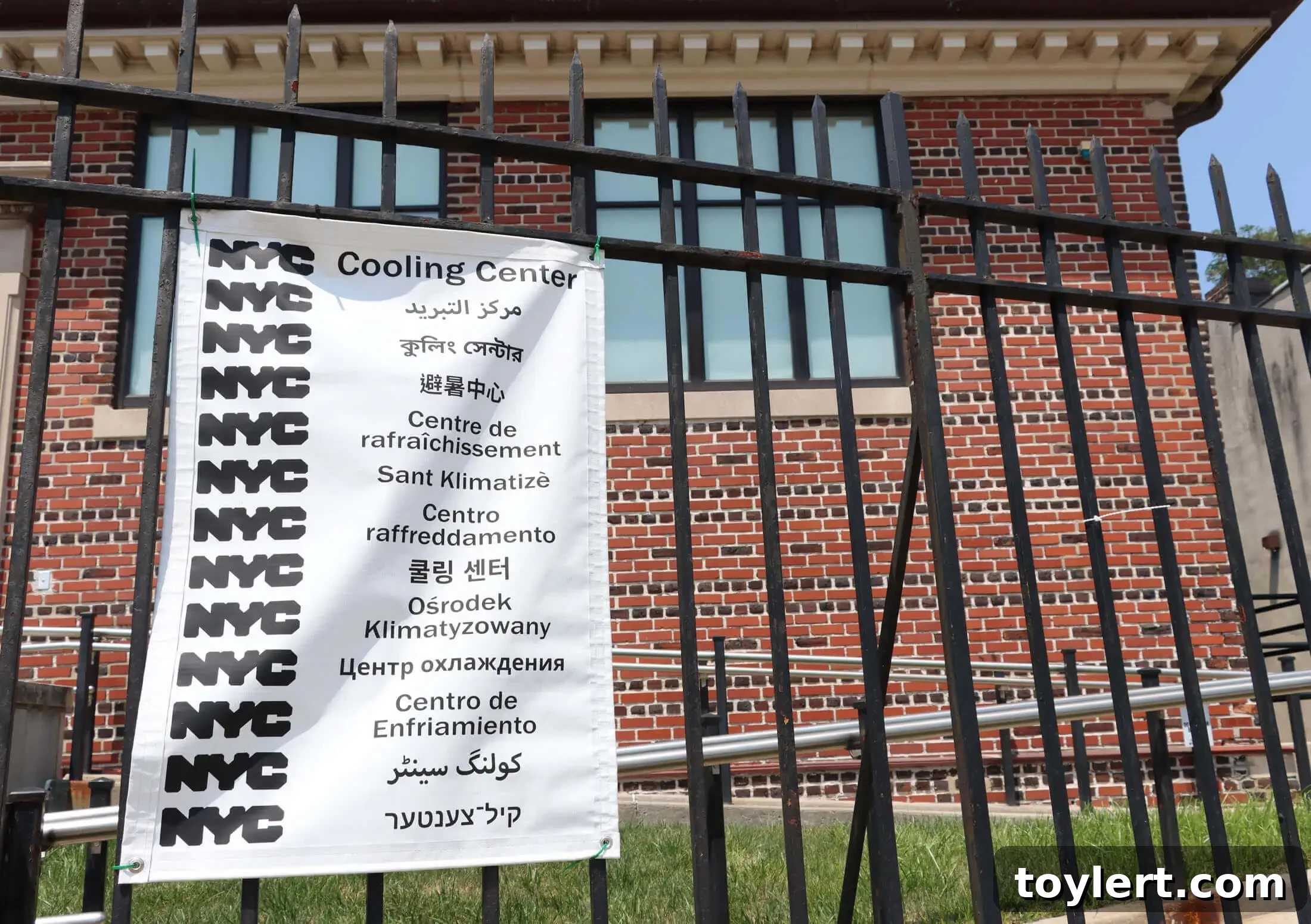
One of the most vital resources during an extreme heat event is the city’s extensive network of cooling centers. These facilities, typically located in air-conditioned public buildings like senior centers, libraries, and community centers, offer a cool, safe haven for anyone needing to escape the heat. Residents are strongly encouraged to utilize these centers, especially if they do not have access to adequate air conditioning at home. The city has made it easy to locate the nearest cooling center through various channels, ensuring accessibility for all.
- How to Find a Cooling Center: Visit the NYC Emergency Management website (nyc.gov/oem), use the NYC Cooling Center Finder app, or dial 311 for assistance. Information is updated regularly to reflect operational hours and locations.
- What to Expect: Cooling centers are free and open to all. They provide a cool, comfortable environment, often with access to fresh drinking water and clean restrooms. Some centers may offer additional services like charging stations or light refreshments.
- Planning Your Visit: Consider calling ahead to confirm hours of operation and any specific entry requirements. Bring essential medications, identification, and any personal items you may need. Plan your route to minimize time spent outdoors in the heat.
Hydration Stations and Public Outreach
Beyond cooling centers, the city is also strategically setting up hydration stations in key public areas, ensuring easy access to cold, clean drinking water. These stations are particularly important in high-traffic zones and areas where residents may be more exposed to the sun. Furthermore, dedicated outreach teams will be actively engaging with unsheltered individuals and vulnerable populations to offer direct assistance, provide bottles of water, and direct them to the nearest cooling centers or other essential services. This proactive, person-to-person approach aims to minimize heat-related incidents and ensure that no one is left without critical support during this challenging period.
Essential Safety Tips for Brooklyn Residents
Staying safe during a heat wave requires a combination of personal responsibility and utilizing available city resources. Adhering to these practical tips can significantly reduce your risk of heat-related illness and help you navigate the extreme temperatures comfortably.
Personal Heat Safety Strategies:
- Stay Hydrated: Drink plenty of water throughout the day, even if you don’t feel thirsty. Dehydration can happen quickly in extreme heat. Avoid sugary drinks, alcohol, and excessively caffeinated beverages, as these can actually lead to further dehydration. Carry a reusable water bottle and refill it frequently at public water fountains or hydration stations.
- Seek Cool Environments: Spend as much time as possible in air-conditioned places. If you don’t have AC at home, visit a cooling center, a shopping mall, a library, a museum, or a movie theater. Even a few hours in an air-conditioned environment can significantly help your body cool down and recover from heat exposure.
- Limit Outdoor Activity: Avoid strenuous outdoor activities, especially during the hottest parts of the day, typically between 10 AM and 4 PM. If you must be outside, schedule activities for early mornings or late evenings when temperatures are lower. Opt for light walks instead of intense exercise.
- Wear Appropriate Clothing: Opt for lightweight, loose-fitting, and light-colored clothing. Light colors reflect sunlight, while loose fits allow for better air circulation, helping your body regulate temperature more effectively. Natural fabrics like cotton are often preferred.
- Take Cool Showers or Baths: A cool shower or bath can significantly lower your body temperature and provide immediate, refreshing relief from the oppressive heat. Even applying cool, wet cloths to your neck, wrists, and forehead can help.
- Use Fans Wisely: While fans can help circulate air and make you feel more comfortable, they are not effective in preventing heat-related illness when the heat index is above the high 90s. In such conditions, air conditioning or a visit to a cooling center is necessary for true relief and safety.
- Never Leave Anyone in a Parked Car: The temperature inside a parked car can rise to dangerous levels very quickly, even with windows slightly open. This is extremely dangerous and potentially fatal for children, pets, or individuals with disabilities. Always double-check your vehicle before walking away.
- Check on Vulnerable Neighbors: Make a conscious effort to check on elderly neighbors, those with chronic illnesses, and anyone who might be living alone or have limited mobility. Offer assistance, ensure they are staying cool and hydrated, and help them access cooling centers if needed. A quick phone call or knock on the door can make a huge difference.
- Recognize Symptoms of Heat Illness: Be aware of the signs of heat cramps, heat exhaustion, and heatstroke (as detailed above). Early recognition can save a life. If you or someone you know experiences symptoms of heatstroke, call 911 immediately and begin first aid while waiting for emergency services.
Special Considerations for Vulnerable Populations and Pets
While everyone is susceptible to heat-related illness, certain groups require extra attention and preventative measures during a heatwave. It’s our collective responsibility as a community to protect these members.
For the Elderly:
Older adults are particularly vulnerable due to age-related physiological changes, such as reduced thirst sensation, chronic health conditions, and medications that can interfere with the body’s ability to regulate temperature. Encourage them to stay indoors, drink fluids regularly (even if they don’t feel thirsty), and visit cooling centers. Family members, friends, and caregivers should check on them frequently throughout the day to ensure their well-being.
For Children:
Children’s bodies heat up faster than adults’ and they are less efficient at sweating to cool down. Ensure they drink plenty of water, wear light clothing, and avoid playing outside during peak heat hours. Supervise them closely, especially around water, as heat exhaustion can impair judgment. Provide frequent breaks in the shade or indoors, and make sure they have access to cool drinks.
For Pets:
Our furry friends are also highly susceptible to heatstroke, which can be fatal. Never leave pets in parked cars, not even for a minute. Ensure they have access to plenty of fresh, cool water and ample shade if they are outdoors. Limit walks to early mornings or late evenings to protect their paws from scorching hot pavement. If you notice signs of heatstroke in your pet (excessive panting, drooling, weakness, vomiting, glazed eyes), contact your veterinarian immediately; this is an emergency.
Conserving Energy and Preventing Power Outages
Extreme heat places significant strain on the city’s power grid as more residents rely on air conditioning to stay cool. To prevent widespread power outages, which can exacerbate the dangers of a heatwave, all New Yorkers are urged to conserve energy responsibly. Collective action can help maintain grid stability and ensure essential services remain operational.
- Set Thermostats Higher: If you have air conditioning, set your thermostat to a slightly higher temperature, ideally 78°F (26°C), when you’re home. Every degree higher helps reduce demand on the grid without sacrificing comfort excessively.
- Unplug Unnecessary Devices: Unplug electronics and chargers when not in use, and turn off lights in unoccupied rooms. These “phantom loads” can contribute to overall energy consumption.
- Use Appliances Strategically: Run energy-intensive appliances like dishwashers, washing machines, and dryers during off-peak hours (late at night or early morning) to reduce demand during critical peak periods.
- Close Blinds and Curtains: Keep blinds, shades, and curtains closed during the day, especially on south- and west-facing windows, to block out direct sunlight and reduce indoor heat gain. This simple step can significantly lower the temperature inside your home.
Staying Informed and Prepared
During critical weather events, timely and accurate information is key to staying safe and making informed decisions. New York City provides multiple reliable channels for residents to receive updates and emergency alerts, ensuring everyone can stay abreast of the evolving situation.
- Notify NYC: Sign up for Notify NYC, the city’s official source for emergency alerts and information. You can receive messages via text, email, or phone, providing critical updates on cooling centers, health advisories, and other important public safety announcements.
- Local News Outlets: Stay tuned to local news channels, radio stations, and reputable online news sources for the latest weather updates, expert advice, and public safety announcements.
- NYC.gov: Regularly check the official New York City government website (nyc.gov) for updated resources, advisories, and comprehensive information related to the heatwave.
A Community Effort: Navigating the Heat Together
The impending heat wave presents a significant challenge for Brooklyn and the wider New York City area. However, by understanding the risks, utilizing the city’s robust support systems, and adopting personal safety measures, residents can navigate this period safely and effectively. It is a time for community solidarity, where looking out for neighbors, especially the most vulnerable, becomes paramount. By working together, conserving energy, and staying informed, we can mitigate the impact of this extreme weather event. Stay informed, stay hydrated, and stay cool, Brooklyn – your health and safety are the top priority.