NYC Building Permits: Decoding Alt-1 Renovations and New Construction Requirements
A comprehensive guide for property owners, developers, and concerned neighbors on New York City’s Department of Buildings (DOB) regulations.
The intricate world of New York City building permits often presents unique challenges and questions. A common point of confusion arises when significant renovation work blurs the line between a major alteration and an entirely new construction project. We recently received a pertinent query from a reader living near a construction site:
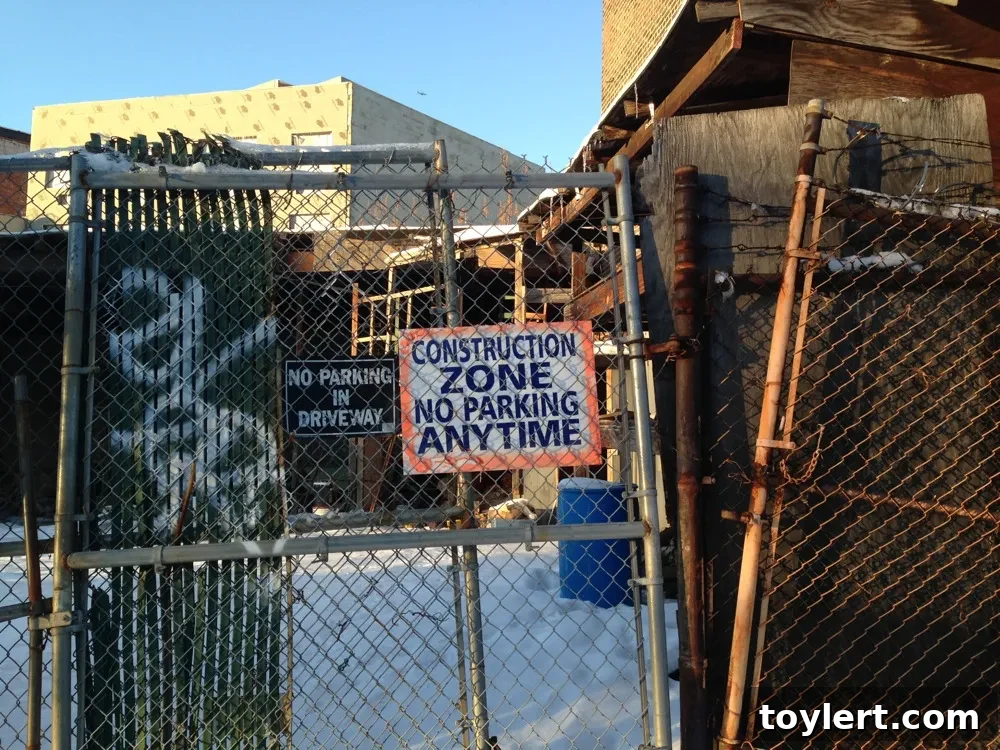
Our reader observes that a developer has filed for an Alt-1 renovation permit for a property. However, to their surprise, nearly the entire structure has been demolished. This raises a critical question: At what point does a project necessitate a new-building permit instead of an Alt-1 renovation permit?
This scenario is not uncommon in the rapidly developing landscape of NYC real estate. Understanding the distinctions between these two permit types is crucial for compliance, project legitimacy, and neighborhood integrity. Let’s delve into the nuances of NYC Department of Buildings (DOB) regulations to clarify when an Alt-1 permit is appropriate and when a New Building permit becomes mandatory.
Understanding NYC Department of Buildings (DOB) Permits
The NYC Department of Buildings (DOB) categorizes construction and alteration permits based on the scope and impact of the work. The two most frequently debated categories in the context of substantial demolition are Alteration Type 1 (Alt-1) and New Building (NB) permits.
What is an Alteration Type 1 (Alt-1) Permit?
An Alt-1 permit signifies a major alteration to an existing building. This type of permit is required for work that substantially affects the building’s:
- Occupancy: Changing the use of the building (e.g., from commercial to residential).
- Egress: Modifying entry and exit routes, stairwells, or fire safety systems.
- Use: Altering the primary function of the space.
- Structural Elements: Significant modifications to foundations, load-bearing walls, floor slabs, or roof structures.
- Multiple Dwellings: Work affecting more than 25% of the floor area of multiple dwellings, or increasing the number of dwelling units.
Crucially, an Alt-1 permit is granted under the premise that a significant portion of the existing building, particularly its essential structural framework, will remain intact. It implies a renovation or conversion, not a complete removal and replacement.
What is a New Building (NB) Permit?
A New Building permit is required when a structure is being built from the ground up on a vacant lot, or when an existing building is so extensively demolished that it is considered, for all practical purposes, a new structure. This permit type triggers a more comprehensive review process, often involving:
- Adherence to current zoning resolutions and building codes applicable to new construction.
- More stringent requirements for energy efficiency, accessibility (ADA compliance), and structural integrity.
- Different fee structures and inspection milestones.
The core distinction lies in whether the “bones” of the original building are preserved. If they are not, or if what remains is insufficient to constitute an existing structure, a New Building permit is likely necessary.
When Does Extensive Demolition Cross the Line to a New Building?
This is precisely the reader’s dilemma. While an Alt-1 permit allows for significant structural modifications, it does not permit the near-total demolition of a building without a reclassification of the project. The NYC DOB has guidelines, albeit sometimes open to interpretation, regarding what constitutes a “new” building versus a “renovated” one.
Key Factors for Determination:
- Retention of Exterior Walls: One of the primary indicators. If more than a certain percentage (often cited as 25% or more) of the original exterior walls, particularly load-bearing ones, are demolished, it leans towards a New Building classification. The quality and structural integrity of the remaining walls also play a role.
- Foundation Integrity: If the original foundation is completely removed and replaced, or if substantial portions are rebuilt, it strongly suggests new construction. Even if some foundation remains, if it cannot support the proposed new structure without extensive modification, an NB permit might be necessary.
- Floor Slabs and Superstructure: The removal of all or nearly all floor slabs, columns, and beams that constitute the building’s superstructure is another critical factor. A true Alt-1 usually involves modifying these elements, not completely replacing them.
- Extent of Demolition: The “nearly the entire structure” description from the reader is a strong red flag. If only a façade or a minimal part of the foundation is left, it’s highly probable that the project should be categorized as a New Building.
The DOB’s interpretation can be complex, and it often requires an architect or engineer to make a professional assessment based on the specific site conditions and proposed plans. The intent is to prevent developers from circumventing the more rigorous requirements and current code standards associated with new construction by mislabeling a project as an alteration.
The Consequences of Mislabeling Permits
Filing for an Alt-1 permit when a New Building permit is warranted can lead to severe consequences for the developer, including:
- Stop Work Orders: The DOB can issue immediate stop-work orders, halting all construction activities until the correct permits are obtained.
- Fines and Penalties: Significant financial penalties can be levied for permit violations and for working without proper authorization.
- Project Delays: Re-filing permits is a time-consuming process that can add months or even years to a project timeline.
- Legal Complications: Non-compliance can lead to legal action from the city or even from concerned neighbors.
- Increased Scrutiny: Once a project is flagged for a permit violation, it may face heightened scrutiny from the DOB throughout its duration.
- Reputational Damage: For developers, a history of permit violations can damage their reputation and make future projects more challenging.
From a public safety and regulatory perspective, using an Alt-1 permit for a new building can result in a structure that doesn’t fully meet current building codes designed for new construction, potentially compromising safety, accessibility, and energy efficiency standards.
What Neighbors and Concerned Citizens Can Do
Our reader’s vigilance is commendable and crucial for maintaining proper oversight of construction activities. If you observe a situation similar to the one described, here are steps you can take:
- Verify the Permit: Use the NYC DOB NOW Public Portal to search for the specific property address and review the filed permits. This will confirm the type of permit issued (e.g., Alt-1, NB).
- Document Observations: Take clear photographs and videos of the demolition progress. Note down dates, times, and specific observations (e.g., “entire rear wall removed,” “foundation completely dug out”). This visual evidence is invaluable.
- File a Complaint with the DOB: If you believe a project is proceeding without the correct permit or is exceeding the scope of its current permit, file a complaint with the DOB. This can be done online through the DOB NOW portal or by calling 311. Be specific and provide all documented evidence.
- Contact Your Local Community Board: Community Boards often play a role in reviewing land use and development projects. Informing your local board can bring additional attention to the issue.
- Reach Out to Elected Officials: Council members and other local representatives can sometimes assist in escalating concerns with city agencies.
- Consult with a Professional: If concerns persist and are substantial, consider consulting with an architect or a construction attorney who specializes in NYC building codes to understand the technical merits of your observations.
It’s important to remember that the DOB relies on both its own inspection processes and public complaints to ensure compliance. Your proactive engagement can make a significant difference.
For Developers and Property Owners: Ensuring Compliance
For those undertaking construction projects in NYC, precision in permit applications is paramount. Misclassifying a project, even unintentionally, can lead to costly delays and legal issues.
- Engage Professionals Early: Before any demolition begins, consult with experienced NYC-licensed architects and structural engineers. They can accurately assess the existing structure, determine the appropriate permit type based on the proposed scope of work, and prepare the necessary architectural and structural drawings.
- Understand the Codes: Stay updated on the latest NYC Building Codes and Zoning Resolutions. These regulations are complex and frequently updated.
- Transparency with DOB: Be transparent in all filings. Attempting to obscure the true scope of work can lead to severe penalties.
- Plan for Contingencies: Sometimes, during demolition, unforeseen structural issues arise that might change the scope of work. Be prepared to adapt and amend permits as necessary.
The upfront investment in proper planning and permitting can save immense time, money, and headaches down the line. Compliance isn’t just about avoiding penalties; it’s about ensuring the safety and longevity of the built environment and respecting the community.
The Broader Impact: Community and Urban Development
The debate between Alt-1 and New Building permits extends beyond bureaucratic distinctions; it impacts the very fabric of New York City’s urban landscape. When buildings are demolished and rebuilt under the guise of renovation, it can lead to:
- Loss of Historic Character: While not all buildings are landmarked, the complete demolition of older structures can erode the unique architectural heritage of neighborhoods.
- Strain on Infrastructure: New buildings, especially larger ones, can place new demands on existing infrastructure (sewers, water, power) that might not have been fully considered under a renovation permit.
- Zoning Integrity: New Building permits typically undergo a more thorough zoning review, ensuring the project aligns with neighborhood character and density regulations. Circumventing this can lead to inappropriate development.
Therefore, the vigilance of residents like our reader is not just about individual projects but about preserving the integrity and quality of life within NYC’s diverse communities.