125 Court Street Tenants Allege Fraudulent Rents and Unlivable Conditions in Landmark Suit Against Two Trees Management
A significant dispute is unfolding at 125 Court Street, a prominent residential building located at the busy intersection of Court Street and Atlantic Avenue in Brooklyn. Tenants residing in this large rental property have initiated a forceful rent strike and concurrently filed a comprehensive lawsuit against their landlord, Two Trees Management. This collective action highlights a growing concern among residents regarding alleged financial misconduct and neglected living conditions, marking a pivotal moment in New York City’s ongoing conversation about tenant rights and housing accountability.
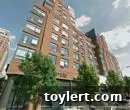
The Core of the Dispute: Unraveling the 421a Allegations
At the heart of the tenants’ lawsuit are serious allegations concerning the 421a tax abatement program. This program, designed to incentivize developers to construct new housing, particularly affordable units, offers substantial property tax reductions for a specified period, typically 25 years. In return, buildings benefiting from 421a are often subject to rent stabilization regulations, meaning rents should only increase by percentages set by the Rent Guidelines Board (RGB) and approved by the Housing Preservation Development (HPD).
The 421a Program: A Brief Overview
The 421a tax abatement is a complex policy that has been both lauded for spurring development and criticized for its implementation. For tenants, it is crucial because it often dictates the legal limits of their rent. Buildings receiving this abatement are expected to comply with specific HPD-approved rent schedules, ensuring that residents are not overcharged. The system is designed to create a delicate balance: economic incentives for developers coupled with rental protections for tenants, particularly in a high-cost market like New York City.
Allegations of Fraudulent Rent Practices
The lawsuit brought by the 125 Court Street tenants directly accuses Two Trees Management of “fraudulent misrepresentation of the Housing Preservation Development (HPD) approved rents for each unit.” This means tenants believe their initial rents were set higher than legally allowed under the 421a framework. Furthermore, the suit alleges “fraudulent lease renewal increases that used a deceptive base rent and did not adhere to the Rent Guidelines Board’s increases.” This points to a systematic pattern where even subsequent rent hikes were based on an unlawfully inflated starting point, compounding the financial burden on residents over time.
Jack Lester, the legal counsel representing the tenants, emphasized the severity of these alleged violations. He revealed that when tenants attempted to renew their leases, the proposed rent increases were typically 20 to 30 percent higher than the amounts permitted by the 421a law. Such discrepancies suggest not merely an oversight but a potential deliberate strategy to circumvent rent stabilization guidelines, significantly impacting the affordability and fairness of housing for the affected residents.
The Financial Burden on Tenants
For tenants in a city like New York, even a small percentage increase in rent can be substantial, let alone an alleged 20 to 30 percent overcharge. These higher rents can strain household budgets, force difficult financial decisions, and even jeopardize a family’s ability to remain in their homes. The lawsuit seeks to reclaim these alleged overpayments, which could amount to significant sums accumulated over years of tenancy. Beyond the immediate financial relief, the case also aims to establish a precedent that safeguards other tenants potentially facing similar abuses under the 421a program.
Beyond Rent: Habitability Concerns and Tenant Grievances
While the rent dispute forms the legal backbone of the tenants’ collective action, their decision to initiate a rent strike this past fall and winter was also heavily influenced by pressing concerns over the building’s physical condition. Specifically, residents have reported significant issues with water damage and mold throughout the property, which raises serious questions about the habitability and proper maintenance of the building.
The Persistent Problem of Water Damage and Mold
Water damage, left unaddressed, often leads to the growth of mold. Mold is not just an aesthetic problem; it poses significant health risks, especially for individuals with allergies, asthma, or compromised immune systems. Symptoms can range from respiratory issues and skin irritation to more severe health complications. Furthermore, chronic water damage can compromise the structural integrity of a building, leading to costly repairs and creating an environment that is far from healthy or safe for its inhabitants. The tenants’ complaints suggest these were not isolated incidents but ongoing problems, indicative of potentially inadequate maintenance and a lack of responsiveness from the landlord.
The Right to a Livable Home
Under New York State law, tenants have a fundamental right to a habitable living space, often referred to as the “warranty of habitability.” This warranty mandates that landlords must maintain their properties in a manner that is fit for human occupation and free from conditions that could be dangerous, hazardous, or detrimental to life, health, or safety. Pervasive water damage and mold typically fall under violations of this warranty. When a landlord fails to uphold this duty, tenants may have legal recourse, including the right to withhold rent (as in a rent strike), provided certain legal conditions are met and proper notice is given.
The combination of alleged financial fraud and persistent habitability issues paints a picture of severe tenant dissatisfaction and a perceived failure by Two Trees Management to meet its basic obligations, both legal and ethical, to its residents. This dual nature of the grievances amplifies the gravity of the situation at 125 Court Street.
The Legal Arena: Lawsuits and Counter-Suits
The conflict at 125 Court Street has rapidly escalated from tenant complaints to a full-blown legal battle, with both sides now entrenched in court proceedings. This complex legal dance involves both the tenants’ offensive lawsuit and a defensive counter-action by the landlord, Two Trees Management.
Tenants Take Legal Action
The tenants’ decision to file a lawsuit marks a significant step, signaling their determination to seek justice and rectify what they view as systemic overcharging and neglect. By engaging legal counsel, Jack Lester, they are leveraging the judicial system to challenge Two Trees Management’s practices. The lawsuit’s primary objective is to hold the landlord accountable for the alleged breaches of the 421a law and potentially seek refunds for years of alleged overpayments, as well as demand redress for the substandard living conditions caused by water damage and mold. This collective action empowers individual tenants by consolidating their grievances into a unified legal front.
Two Trees’ Counter-Action: A Non-Payment Suit
In response to the tenants’ rent strike, Two Trees Management has initiated its own legal proceedings. The landlord filed a non-payment suit in the NY Supreme Court, a common tactic employed by property owners when tenants withhold rent. This move forces the tenants to legally justify their rent strike and could potentially lead to eviction proceedings if the court does not side with the residents. This development means the case is now two-pronged: the tenants are suing for fraud and habitability issues, while the landlord is suing for unpaid rent. The outcome of these intertwined cases will significantly impact the future of the residents at 125 Court Street.
The Role of Legal Counsel and the Road Ahead
The involvement of experienced legal counsel like Jack Lester is crucial for the tenants, as navigating the intricacies of rent stabilization laws and landlord-tenant litigation in New York City is exceptionally complex. The upcoming trial in the NY Supreme Court will be a critical juncture. The court will examine evidence presented by both sides, including lease agreements, rent payment records, HPD guidelines, documentation of building conditions (e.g., photos of mold, repair requests), and expert testimonies. The burden of proof will be on the tenants to demonstrate the alleged fraudulent practices and habitability violations, while Two Trees will need to justify its rental charges and maintenance efforts. The resolution of this case could take considerable time, involving multiple hearings, discovery processes, and potentially appeals.
Two Trees Management Responds
In the face of these severe allegations and the public spectacle of a tenant rent strike and lawsuit, Two Trees Management issued a brief but firm rebuttal. Their response, initially shared with Curbed, offers their perspective on the escalating dispute.
The Landlord’s Stance
Two Trees Management’s official statement declared, “These allegations are completely baseless and have absolutely no merit. Beyond that, our focus has been providing the highest quality of service to our tenants and we will continue to do exactly that.” This terse response immediately dismisses all claims made by the tenants, asserting a complete lack of validity to the accusations of fraudulent rent practices and neglected building conditions. It frames the company’s operations as being centered on tenant satisfaction and quality service, implicitly denying any wrongdoing.
Analyzing the Rebuttal
While definitive, Two Trees’ statement offers little in the way of specific counter-arguments or detailed explanations regarding the alleged 421a violations or the pervasive mold and water damage. The blanket denial without elaborating on why the allegations are “baseless” leaves many questions unanswered, particularly for those familiar with the specific details cited by the tenants and their legal representative. In the context of a legal battle, such a general statement may serve to protect their position publicly while detailed arguments are reserved for the courtroom. However, for the affected tenants, it likely does little to alleviate their concerns or provide reassurance regarding the validity of their grievances. The trial will ultimately be the forum where these differing narratives are scrutinized and judged based on presented evidence.
Broader Implications: Tenant Rights and NYC’s Housing Landscape
The case at 125 Court Street transcends the individual building, resonating deeply within the broader context of tenant rights and New York City’s highly complex and often contentious housing market. It serves as a stark reminder of the challenges faced by renters and the critical role of robust housing regulations.
Navigating Rent Regulation in New York City
New York City is unique in its extensive system of rent regulation, which includes various forms like rent control and rent stabilization. Programs like the 421a tax abatement are intended to be part of this regulatory framework, offering incentives for development while theoretically providing protections for tenants. However, the allegations against Two Trees Management highlight potential vulnerabilities and loopholes within this system. If a prominent landlord can allegedly exploit the 421a program to overcharge tenants for years, it raises questions about oversight mechanisms, enforcement effectiveness, and the ability of ordinary tenants to identify and challenge such violations.
This case underscores the persistent tension between developers seeking profit maximization and tenants striving for affordable, stable, and safe housing. It brings to the forefront the challenges of ensuring compliance with rent laws, especially when the legal and financial resources of landlords often vastly outweigh those of individual tenants or even tenant associations.
Empowering Tenants: Knowing Your Rights
The 125 Court Street tenants’ rent strike and lawsuit are powerful demonstrations of collective action and the importance of tenant empowerment. For many residents across NYC, understanding their rights under rent stabilization, knowing how to check if their building is subject to 421a, and identifying potential overcharges can be daunting. Resources like the Housing Preservation and Development (HPD) and legal aid organizations play a crucial role in educating tenants and providing assistance.
This dispute serves as a cautionary tale for landlords regarding their adherence to housing laws and a beacon of hope for tenants, illustrating that collective action and legal pursuit can challenge even well-established property management firms. The outcome will undoubtedly influence future tenant-landlord relations and potentially prompt discussions around strengthening regulatory oversight in New York City’s rental housing market.
What Lies Ahead for 125 Court Street
As the legal proceedings unfold in the NY Supreme Court, the future of the residents at 125 Court Street, and potentially the broader landscape of tenant-landlord relations in Brooklyn, hangs in the balance. The resolution of this case carries significant weight for all parties involved.
Potential Outcomes of the Trial
The trial could result in several outcomes. If the court rules in favor of the tenants, Two Trees Management could be mandated to refund years of alleged overcharged rent, adjust current rents to their legally permissible levels, and be ordered to rectify all outstanding habitability issues, including the water damage and mold. Such a verdict would be a monumental victory for the residents, providing not only financial restitution but also improved living conditions and a precedent for other tenants. Conversely, if the court sides with Two Trees Management, the tenants could be liable for the months of unpaid rent during their strike, and their legal claims regarding overcharges and building conditions would be dismissed. This outcome would undoubtedly be a severe blow to the tenants and their advocacy efforts.
A Precedent-Setting Case?
Regardless of the specific verdict, the 125 Court Street case has already garnered significant attention and has the potential to become a precedent-setting example. A ruling in favor of the tenants could embolden other residents in 421a-abated buildings to scrutinize their rent histories and challenge landlords for similar alleged violations. It could also prompt stricter enforcement and greater transparency within the 421a program. Conversely, a ruling in favor of the landlord might send a chilling message to tenants contemplating similar legal action, highlighting the inherent risks involved in challenging powerful property management entities.
This legal battle is more than just a dispute over rent and maintenance; it is a test of accountability within New York City’s complex housing system and a testament to the power of organized tenant advocacy in the face of alleged injustice.
The situation at 125 Court Street remains dynamic, with a trial pending that will critically examine the extensive allegations made by its tenants against Two Trees Management. This conflict underscores the ongoing struggles within New York City’s housing market, where the balance between landlord responsibilities and tenant rights is constantly challenged. The outcome of this high-stakes legal battle will undoubtedly have lasting implications for rent-stabilized buildings, the effectiveness of tax abatement programs, and the future of tenant advocacy in Brooklyn and beyond. All eyes will be on the NY Supreme Court as this significant case progresses.
Brooklyn Tenants Sue Landlord Two Trees, Begin Rent Strike [Curbed] GMAP