Exploring Brooklyn’s Dynamic Evolution: A Glimpse into Urban Life and Culture
Brooklyn, a borough renowned for its distinctive character, vibrant communities, and relentless pace of change, continues to captivate residents and observers alike. From bustling commercial districts to serene residential enclaves, Brooklyn is a microcosm of urban evolution, constantly redefining itself while holding onto its rich history. This article delves into a collection of noteworthy events and discussions that shaped the borough in a specific period, offering a snapshot of its multifaceted identity – encompassing everything from high fashion and local politics to community development and real estate trends.
The narratives within this collection highlight the diverse forces at play in Brooklyn. They speak to the ongoing discussions about urban development, the impact of new businesses, the challenges faced by growing communities, and the ever-present dialogue about preserving the borough’s unique charm amidst rapid modernization. Join us as we explore the key headlines that captured the essence of Brooklyn’s spirited journey.
Retail and Consumer Culture: The Whole Foods Phenomenon
The arrival of large retail establishments often sparks considerable discussion in any urban landscape, and Brooklyn is no exception. The opening of new major grocery stores, particularly those with a reputation for upscale or niche products, frequently becomes a focal point for conversations about gentrification, local economy, and changing consumer habits. One such instance was the much-anticipated debut of a Whole Foods Market in Brooklyn, an event that garnered significant attention from both enthusiasts and skeptics.
The Most Absurd Items at the New Brooklyn Whole Foods, as reported by Brokelyn, offered a humorous yet insightful commentary on the evolving retail scene. This piece, likely a lighthearted exploration, delved into the unique and sometimes perplexing product selections available at the new store. Beyond the novelty, such an article implicitly touches upon broader themes: the diversification of consumer choices in Brooklyn, the perceived impact on smaller, independent grocers, and the ongoing debate about accessibility and affordability in a rapidly developing borough. The presence of such a store often signifies a shift in the demographic and economic landscape of a neighborhood, bringing with it both opportunities and challenges for long-time residents and newcomers alike. It prompts questions about what defines “local” in an increasingly globalized market and how new businesses integrate into existing community fabrics.
Urban Governance and Public Safety: De Blasio’s Vision for Pedestrians
Public safety and urban planning are paramount concerns for any major city, and New York City is constantly striving to improve the quality of life for its millions of residents. A significant area of focus for municipal leadership is pedestrian safety, especially in dense, high-traffic areas like Brooklyn. Initiatives aimed at making streets safer for walkers are crucial for fostering healthy, walkable communities and reducing traffic-related injuries and fatalities.
In a notable move, De Blasio Announces Pedestrian-Safety Plan, as highlighted by Capital New York. This announcement marked a pivotal moment, signaling the city’s commitment to prioritizing the safety of its most vulnerable road users. Such a plan likely encompassed a range of strategies, including infrastructure improvements like expanded sidewalks, improved crosswalks, and traffic calming measures. It also often involves increased enforcement of traffic laws and public awareness campaigns. For Brooklyn, with its varied street layouts—from wide avenues to narrow, historic streets—and its bustling commercial arteries, a comprehensive pedestrian safety plan is not just an administrative measure; it’s a vital step towards enhancing urban livability, encouraging active transportation, and fostering a sense of security for all who navigate its diverse neighborhoods. These plans are foundational to the concept of Vision Zero, aiming to eliminate traffic fatalities and severe injuries, making city streets safer for everyone.
Brooklyn’s Creative Ascent: Fashion’s New Frontier
For decades, Manhattan has been the undisputed epicenter of New York City’s fashion world. However, Brooklyn has steadily been cultivating its own distinct creative identity, becoming a burgeoning hub for artists, designers, and innovators across various disciplines. This cultural shift has not gone unnoticed by the fashion industry, leading to significant developments that underscore Brooklyn’s growing influence.
A compelling example of this trend was the news that Designer Alexander Wang Is Taking His Show to … Brooklyn, as reported by The Cut. Alexander Wang, a highly acclaimed and influential figure in contemporary fashion, choosing Brooklyn as the venue for his show was more than just a logistical decision; it was a powerful symbolic gesture. It signaled a recognition of Brooklyn’s cutting-edge aesthetic, its vibrant street style, and its appeal as a fresh, dynamic backdrop for high fashion. This move reinforced Brooklyn’s status not merely as a borough adjacent to Manhattan, but as a standalone cultural powerhouse, capable of hosting world-class events and attracting top-tier talent. Such events contribute to Brooklyn’s brand as a creative incubator, inspiring local designers and artists, and further cementing its position on the global cultural map. It represents a broader movement where the perceived “edge” and authenticity of Brooklyn are increasingly valued by industries traditionally centered elsewhere.
Community Challenges: Addressing School Crowding in Sunset Park
Rapid urban growth, while often a sign of economic vitality, frequently brings with it significant challenges, particularly concerning public infrastructure and services. One of the most pressing issues in many growing Brooklyn neighborhoods is the strain on the public education system, specifically school crowding. This problem directly impacts students’ learning environments, teachers’ resources, and the overall quality of education.
The issue was sharply brought into focus by the report on Frustration at Lack of Sites to Ease School Crowding in Sunset Park, published by City Limits. Sunset Park, a diverse and densely populated neighborhood in Brooklyn, exemplifies the challenges faced when population growth outpaces the development of essential public services. The frustration expressed by the community highlights the critical need for proactive planning and investment in educational facilities. School crowding can lead to larger class sizes, fewer specialized programs, and inadequate facilities, all of which can hinder student achievement and well-being. This article likely shed light on the efforts of local parents, educators, and community leaders advocating for solutions, such as identifying new sites for school construction or expanding existing buildings. It underscores the ongoing struggle to ensure that every child in Brooklyn has access to a high-quality education, despite the pressures of urbanization and demographic shifts.
Urban Planning and Environmental Renewal: The Gowanus Canal Initiative
The Gowanus Canal, with its rich industrial history and more recent environmental challenges, stands as a symbol of both Brooklyn’s past and its ongoing efforts towards urban renewal and sustainability. For years, the canal has been a Superfund site, necessitating extensive cleanup and revitalization. However, its strategic location and the surrounding neighborhood’s potential have spurred significant community interest and planning initiatives.
The continuity of these efforts was evident with the announcement of the Next “Bridging Gowanus” Meeting Scheduled For Thursday, as reported by PMFA. Such community meetings are vital platforms for residents, stakeholders, and city planners to collaborate on the future of the Gowanus area. “Bridging Gowanus” likely refers to initiatives aimed at connecting different parts of the neighborhood, physically and metaphorically, through new infrastructure, public spaces, and environmentally conscious development. Discussions would often revolve around rezoning proposals, the creation of green spaces, improved waterfront access, and strategies for managing new development while mitigating environmental impacts. These meetings are crucial for ensuring that the redevelopment of the Gowanus area is inclusive, sustainable, and reflective of the community’s vision, transforming a historically industrial waterway into a vibrant, environmentally sound asset for Brooklyn.
Real Estate and Neighborhood Transformation: New Developments on Dekalb
Brooklyn’s real estate market is a constant buzz of activity, reflecting the borough’s popularity and ongoing development. New construction projects are frequently reshaping neighborhood skylines and altering the residential and commercial landscape. These developments are often indicators of shifting demographics, investment trends, and the relentless evolution of Brooklyn’s urban fabric.
An example of this continuous transformation was the news of a New Building for 1257 Dekalb, highlighted by Wyckoff Heights. Dekalb Avenue, which traverses several dynamic Brooklyn neighborhoods like Bushwick and Bed-Stuy, is a corridor of continuous change. A new building project, whether residential or mixed-use, signifies confidence in the area’s growth and appeal. Such developments typically bring new housing units, potentially new retail spaces, and alter the architectural character of the streetscape. They contribute to the ongoing discussions about housing affordability, the balance between new construction and historic preservation, and the changing demographics of these vibrant communities. For residents, new buildings can mean increased amenities, but also concerns about rising rents and the preservation of neighborhood identity. This specific development is a micro-example of the larger narrative of Brooklyn’s ongoing urbanization and its ever-evolving built environment.
Community Identity: Defining Park Slope’s Boundaries
Neighborhood identity and boundaries are often fluid concepts in a city like Brooklyn, shaped by history, real estate, and the perceptions of those who live within and around them. These definitions are not always rigid or universally agreed upon, leading to fascinating discussions about what truly constitutes a particular area.
A prime illustration of this discussion was the query posed in What’re The Borders of Park Slope, Anyway?, published by FIPS. Park Slope is one of Brooklyn’s most well-known and desirable neighborhoods, famous for its brownstones, tree-lined streets, and Prospect Park. However, as neighborhoods evolve and real estate markets expand, the exact geographical limits can become blurred. This article likely explored various perspectives on where Park Slope truly begins and ends, touching upon historical delineations, real estate agent interpretations, and the lived experiences of residents. Such discussions are important for understanding community cohesion, property values, and how a neighborhood’s brand is created and maintained. They reflect a deeper concern among residents about preserving the unique character and appeal of their beloved communities in the face of constant change and development, highlighting the emotional and practical significance of these seemingly simple boundaries.
Cultural Heritage and Urban Change: The Swan Song of the Fox Savoy Theater
Cities are living entities, constantly changing and reinventing themselves. This often means that old landmarks, particularly cultural institutions, can face the threat of demolition or transformation. The preservation of historical and cultural sites is a continuous battle, balancing the demands of modernization with the desire to retain a connection to the past.
A poignant example of this urban metamorphosis was reflected in Swan Song to Brooklyn’s Former Fox Savoy Theater, shared by Brooklyn Born. The Fox Savoy Theater, like many historic theaters, likely held significant memories and played a crucial role in the cultural life of its community for decades. Its “swan song” suggests either its final days, a significant alteration, or a nostalgic look back at its former glory. Such stories evoke reflections on Brooklyn’s rich entertainment history, the evolving landscape of arts and culture, and the challenges of preserving architectural and cultural heritage in a rapidly developing urban environment. These pieces serve as a reminder of the importance of documenting and remembering the places that have shaped a community’s identity, even as new structures rise and old ones fade into memory. They underline the constant negotiation between progress and preservation in a city with such a deep and varied past.
Commercial Development: Barclays Center’s Ripple Effect
Major urban developments, especially those with the scale and impact of the Barclays Center, rarely exist in isolation. They often serve as catalysts for extensive commercial and residential growth in their immediate vicinity, transforming entire districts and creating new economic opportunities. The ripple effect of such a landmark can be seen in the surrounding retail and real estate markets.
An article titled Barclays, Shake Shack Neighbor Hits Retail Market, reported by REW, perfectly illustrates this phenomenon. The presence of a major entertainment venue like the Barclays Center inherently drives foot traffic and demand for ancillary businesses, from restaurants to retail stores. The mention of “Shake Shack neighbor” further highlights this, as Shake Shack itself is a popular destination that often accompanies significant commercial hubs. This news signifies the continued commercial revitalization of the area around the Barclays Center and Atlantic Yards, indicating that new retail spaces were coming online to meet the increased demand. It underscores the economic impact of large-scale urban projects, creating vibrant commercial corridors and attracting both local and national brands. This development is a testament to Brooklyn’s ongoing economic dynamism, drawing investment and transforming areas into bustling centers of activity that serve both residents and visitors.
Brooklyn’s Enduring Spirit
The collection of headlines above, spanning diverse topics from high fashion and local politics to community education and real estate, paints a vivid picture of Brooklyn’s ongoing narrative. It’s a borough in perpetual motion, constantly grappling with the complexities of growth, identity, and preservation. From the debates around new retail giants to the fundamental need for school facilities, and from the glamorous embrace of fashion to the diligent efforts of environmental remediation, Brooklyn demonstrates an unparalleled capacity for evolution.
These stories collectively underscore the vibrant, often challenging, yet undeniably captivating spirit of Brooklyn. It remains a place where community engagement is strong, where cultural trends are set, and where the future is being built brick by brick, conversation by conversation. The borough’s enduring appeal lies in its ability to adapt, innovate, and always remain uniquely, unapologetically Brooklyn.
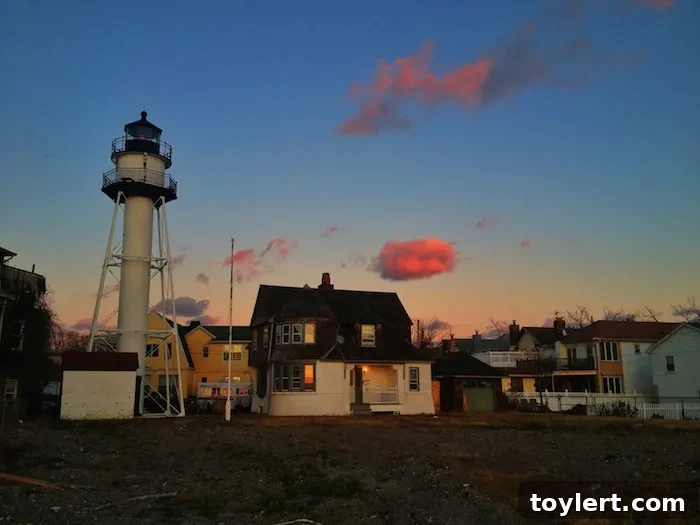
Photo by Chaya Selzer