Red Hook’s Renaissance: Unveiling Pioneering Warehouse Conversions at 160 Imlay and 202 Coffey Streets
Red Hook, Brooklyn, a neighborhood long celebrated for its distinctive industrial past, artistic spirit, and captivating waterfront views, is poised for an exciting new chapter of development. Recent announcements have brought to light two significant residential conversion projects, spearheaded by the renowned architecture firm Adjmi and Andreoli, promising to redefine living and creative spaces within this beloved enclave. These initiatives, centered at 160 Imlay Street and 202 Coffey Street, represent a thoughtful approach to adaptive reuse, transforming historic warehouses into vibrant, modern complexes while honoring Red Hook’s unique character.
The vision for these developments, as initially highlighted by Curbed, points towards a future where the industrial grandeur of Red Hook’s past seamlessly integrates with contemporary needs. These projects are not merely about constructing new buildings; they are about reimagining existing structures, breathing new life into forgotten spaces, and creating communities that resonate with the artistic and independent ethos that defines Red Hook.
Red Hook: A Tapestry of History, Art, and Resilience
To truly appreciate the significance of these conversions, one must first understand the rich tapestry of Red Hook itself. Once a bustling shipping port, essential to New York City’s maritime trade, Red Hook later experienced a period of decline following the advent of containerization and the construction of highways that bypassed its piers. Despite these challenges, the neighborhood never lost its soul. Its isolated location, accessible primarily by car or bus, inadvertently fostered a close-knit community and attracted artists, makers, and entrepreneurs drawn to its spacious industrial buildings, breathtaking harbor views, and relatively affordable rents compared to other parts of Brooklyn.
This unique blend of industrial heritage, artistic innovation, and a strong sense of community has cultivated an environment ripe for creative development. Warehouse conversions, in particular, have become a hallmark of Red Hook’s evolution, offering developers the opportunity to transform robust, character-filled structures into desirable residential and commercial spaces. This approach is not only sustainable but also preserves the architectural integrity and historical narrative of the neighborhood, preventing the sterile uniformity that can sometimes accompany new construction.
The allure of Red Hook lies in its distinctive charm: cobblestone streets, independent shops, thriving art galleries, and diverse culinary scene, all set against the backdrop of the Statue of Liberty and Manhattan skyline. It’s a neighborhood that champions local enterprise, celebrates creativity, and maintains a distinct identity apart from the urban bustle, making it an increasingly coveted location for those seeking an authentic Brooklyn experience.
Adjmi and Andreoli: Architects of Transformation
The choice of Adjmi and Andreoli to lead these pivotal projects underscores their reputation for sensitive and innovative architectural design, particularly within the realm of adaptive reuse. The firm is known for its ability to reinterpret historical structures, integrating modern functionality and aesthetics without sacrificing the inherent character and stories embedded within the original architecture. Their expertise in navigating the complexities of large-scale conversions, combined with a deep understanding of urban development and community needs, positions them as ideal partners in Red Hook’s ongoing transformation.
Their approach often involves maximizing natural light, creating open and flexible spaces, and incorporating elements that celebrate the industrial past, such as exposed brick, high ceilings, and large windows. This philosophy aligns perfectly with the aesthetic and functional demands of modern Brooklyn living, especially in a neighborhood like Red Hook, where residents often seek unique spaces that reflect a distinct lifestyle.
160 Imlay Street: A Grand Vision for Mixed-Use Living
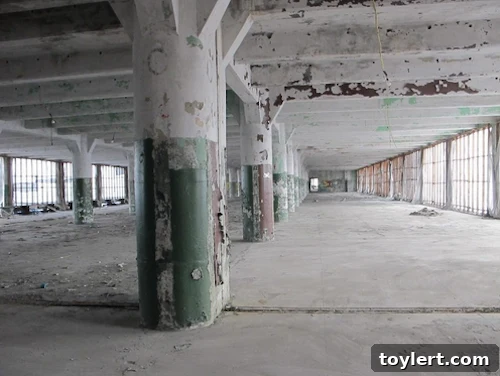
The most ambitious of the two projects is the redevelopment of 160 Imlay Street, a colossal former New York Dock Company warehouse. This iconic building, with its imposing brick facade and historical gravitas, has long been a landmark in the Red Hook streetscape. While earlier reports, as noted by Brownstoner, suggested a rental conversion, Adjmi and Andreoli’s updated plans reveal a far more comprehensive and community-centric vision: a 72-unit mixed-use condominium building.
This shift from rental to condo reflects a potential strategic response to market demand and a desire to cultivate a stable, invested residential community. The mixed-use aspect is particularly exciting, promising to integrate essential services and cultural amenities directly into the building, thereby enriching the lives of residents and the surrounding neighborhood alike. The plans include:
- 72 Residential Condominiums: These units are expected to offer spacious, light-filled interiors, likely featuring an industrial-chic aesthetic with modern finishes, catering to a diverse demographic seeking a unique living experience in Brooklyn. The scale of the building allows for a variety of layouts, from generous lofts to multi-bedroom family homes, each benefiting from the building’s historic charm and the firm’s contemporary design.
- A Vibrant Market: The inclusion of a ground-floor market space is a significant boon for Red Hook, a neighborhood that often prizes local commerce and community-focused enterprises. Such a market could provide residents with convenient access to fresh produce, artisanal goods, and daily necessities, potentially becoming a new hub for local interaction and fostering a stronger sense of place.
- A Destination Restaurant: A new restaurant within the complex would undoubtedly contribute to Red Hook’s burgeoning culinary scene, drawing both residents and visitors. It would offer a dynamic dining option, enhancing the neighborhood’s appeal as a destination for food enthusiasts and providing a social anchor for the building itself.
- Dedicated Artists’ Studios: Recognizing and supporting Red Hook’s thriving artistic community is paramount. The allocation of dedicated artist studios within 160 Imlay Street reinforces the neighborhood’s identity as a creative haven. These spaces could serve as live-work environments, exhibition areas, or collaborative workshops, attracting and retaining artistic talent within the area and ensuring Red Hook’s cultural vibrancy endures.
The proposed January finish date previously floated has understandably been pushed back, a common occurrence in projects of this magnitude and complexity. Large-scale conversions require meticulous planning, structural considerations, and navigating various regulatory processes. However, the long-term vision for 160 Imlay Street promises to deliver a truly transformative landmark that will significantly impact Red Hook’s residential and commercial landscape.
202 Coffey Street: Nurturing Red Hook’s Artistic Heart
In contrast to the grand scale of 160 Imlay, the project at the three-story warehouse at 202 Coffey Street offers a more intimate, yet equally impactful, vision focused specifically on fostering Red Hook’s artistic core. Adjmi and Andreoli’s plans for this smaller warehouse underscore the neighborhood’s enduring commitment to its creative residents. According to Curbed, the development will feature “Five separate artist studios/workshops/display spaces with the interiors somewhat spruced up and the windows, currently bricked over, reopened.”
This project is a powerful statement about the value placed on creative infrastructure in Red Hook. By dedicating an entire building to artist spaces, it provides much-needed affordable and functional environments for local artists to create, collaborate, and showcase their work. The deliberate act of reopening bricked-over windows is symbolic; it not only allows natural light to flood the interiors, crucial for creative work, but also metaphorically opens up the building to the community, inviting engagement and interaction.
The completion date for 202 Coffey Street is projected for late 2013 or early 2014, suggesting a quicker turnaround reflective of its smaller scale and more focused scope. This initiative will bolster Red Hook’s reputation as a genuine artist enclave, providing essential resources that help sustain its unique cultural ecosystem amidst ongoing development.
Resilience in the Face of Change: Red Hook Post-Sandy
It is noteworthy that these exciting developments were announced in the wake of Hurricane Sandy, a devastating storm that severely impacted many parts of Red Hook. The original article highlights a crucial detail: because work had not yet commenced at either 160 Imlay Street or 202 Coffey Street, neither site incurred direct damage from the hurricane. This fortuitous timing meant that these promising projects could proceed without the immediate setbacks faced by many other businesses and homes in the neighborhood.
However, Sandy’s shadow loomed large over Red Hook, exposing its vulnerability as a low-lying, waterfront community. The storm prompted critical discussions about resilient design and infrastructure for future developments. While not directly damaged, the context of these projects being announced post-Sandy speaks volumes about Red Hook’s resilience and the continued confidence investors and developers have in its future. It underscores a collective determination to rebuild, innovate, and thrive, ensuring that new constructions not only enhance the community but also incorporate measures to withstand future environmental challenges.
The Future of Red Hook: Balancing Growth with Identity
The conversion projects at 160 Imlay Street and 202 Coffey Street represent more than just real estate ventures; they are integral to the ongoing narrative of Red Hook’s evolution. They symbolize a sophisticated approach to urban regeneration that seeks to balance economic growth with cultural preservation. By transforming industrial relics into dynamic living and working spaces, these developments help to diversify Red Hook’s housing stock, attract new residents and businesses, and reinforce its position as a vibrant, desirable Brooklyn neighborhood.
As Red Hook continues to garner attention, particularly for its unique blend of industrial heritage and artistic innovation, the challenge will be to manage this growth thoughtfully. Projects like those by Adjmi and Andreoli, which emphasize adaptive reuse, mixed-income potential (through the inclusion of diverse spaces), and community integration, offer a model for sustainable urban development. They demonstrate that progress can indeed honor the past, foster creativity, and build a more resilient future for one of Brooklyn’s most captivating neighborhoods.
Touring the Artistic Developments of Red Hook Future [Curbed]
Photo of 160 Imlay by Curbed