Transforming Gold Street: A New Chapter for a Historic Vinegar Hill Building
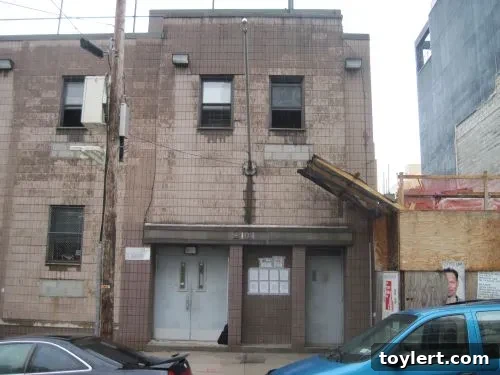
In the quiet, cobblestoned enclave of Vinegar Hill, Brooklyn, a significant transformation is underway that promises to redefine the future of a long-vacant community landmark. The two-story building located at 104 Gold Street, once a vibrant hub for local families, is set to reopen its doors with a renewed purpose. Following its closure in 2010 as the Farragut Tenants Day Care Center, the property has largely remained dormant, a silent observer to the evolving landscape of one of Brooklyn’s most unique neighborhoods. However, recent filings with the Department of Buildings herald a new era, indicating the structure will be converted into “community facilities for philanthropic institutions with sleeping accommodations.” This development strongly suggests the introduction of a new shelter, a facility poised to address pressing social needs within the broader New York City context, while also integrating into the distinctive fabric of Vinegar Hill.
Vinegar Hill: A Glimpse into Brooklyn’s Historic Past
To truly appreciate the significance of this development, one must first understand the unique character of Vinegar Hill. Tucked between the bustling Dumbo and the naval history of the Brooklyn Navy Yard, Vinegar Hill stands apart. Its historic designation has largely preserved its charming, 19th-century streetscape, characterized by Federal and Greek Revival-style brick townhouses, cobblestone streets, and a palpable sense of timelessness. Originally settled by Irish immigrants in the early 1800s, the neighborhood was named after the Battle of Vinegar Hill in Ireland, a nod to the resilience and spirit of its early inhabitants. For generations, it has maintained a low-key, residential atmosphere, often described as a village within the city.
Despite its proximity to rapidly gentrifying areas, Vinegar Hill has largely resisted large-scale commercialization, maintaining a predominantly residential and tight-knit community feel. Its residents, a diverse mix of long-time locals and newer arrivals drawn to its charm, value the quietude and historic integrity of their surroundings. This intricate balance between preservation and the inevitable march of urban development makes any significant change to its built environment a topic of considerable local interest and discussion. The arrival of a new community facility, especially one involving sleeping accommodations, introduces a new dynamic into this historically rich and proudly independent neighborhood.
From Day Care to Community Hub: The Building’s Evolution
The building at 104 Gold Street carries a history deeply rooted in community service. For many years, it served as the Farragut Tenants Day Care Center, providing essential childcare services to families in the nearby Farragut Houses and the surrounding area. Its closure in 2010 left a void, not just for the families who relied on its services, but also for the neighborhood itself, as another institution that fostered local connections ceased operation. The reasons for its closure, often a complex interplay of funding challenges, demographic shifts, and operational difficulties, mirror broader trends seen in many urban centers where long-standing community resources struggle to adapt to changing socio-economic landscapes.
For over a decade, the building has stood vacant, a silent testament to its past. Empty buildings in vibrant urban areas often spark debates about their future – should they be converted into luxury residences, commercial spaces, or remain as community assets? The decision to repurpose 104 Gold Street into facilities for philanthropic institutions marks a deliberate choice to re-invest in the community, albeit in a different capacity. This transition from a day care center to a facility offering sleeping accommodations under a philanthropic umbrella signifies a shift in addressing community needs, moving from early childhood education to potentially supporting vulnerable adult populations or families experiencing homelessness.
Addressing a Critical Need: Community Facilities with Sleeping Accommodations
The term “community facilities for philanthropic institutions with sleeping accommodations” is a formal designation that typically refers to facilities providing temporary housing or shelter services. In a city like New York, which faces persistent challenges related to homelessness and affordable housing, such facilities play a crucial role in the social safety net. Philanthropic institutions, often non-profit organizations, are at the forefront of operating these essential services, providing not just a roof over one’s head, but also a range of support services, including case management, job placement assistance, mental health services, and educational programs.
The establishment of a new shelter, or similar housing-focused facility, in Vinegar Hill would contribute to the city’s ongoing efforts to house its unhoused population. New York City’s Right to Shelter mandate ensures that anyone who is homeless has access to shelter, creating a constant demand for such facilities. While the specific demographic this new facility intends to serve (e.g., single adults, families, veterans, individuals with specific needs) is not explicitly stated in the permit filings, its presence will undoubtedly become an integral part of the local service network. Such facilities are vital for offering stability and a pathway to permanent housing for individuals and families navigating difficult circumstances, embodying the philanthropic spirit of giving back and supporting those in need.
Integrating into the Neighborhood: Opportunities and Considerations
The introduction of a new community facility of this nature often prompts both support and questions from existing residents. For Vinegar Hill, a neighborhood with a strong sense of identity and community, discussions around integration, safety, and impact are natural. Successful integration relies heavily on transparent communication between the operating institution and the neighborhood, fostering a collaborative environment where concerns can be addressed and benefits maximized.
One notable aspect of the Gold Street location is its proximity to other community organizations, hinting at the existing diverse fabric of Vinegar Hill. Just a few doors down, the Dorje Ling Buddhist Center stands as an example of the neighborhood’s spiritual diversity and communal gathering points. The presence of such an institution, focused on peace and compassion, might even suggest a supportive environment for a new philanthropic venture. Successful community facilities often thrive when they are well-managed, provide meaningful services, and engage proactively with their neighbors. They can bring new resources, economic activity, and a greater sense of social responsibility to an area, enriching the overall community landscape.
However, communities also often voice concerns regarding potential impacts on local resources, property values, and perceived safety. Addressing these concerns proactively through community meetings, clear operational plans, and consistent engagement is paramount for building trust and ensuring the facility becomes a welcome and integrated part of Vinegar Hill. The aim is always to create a harmonious coexistence where the facility not only serves its residents but also contributes positively to the broader neighborhood.
Navigating the Regulatory Landscape: Department of Buildings Permits
The conversion of 104 Gold Street into a new type of community facility involved navigating the rigorous regulatory framework of the New York City Department of Buildings (DOB). Permit filings are a critical step in any major construction or conversion project in NYC, ensuring that all proposed changes comply with the city’s stringent building codes, zoning regulations, and safety standards. The DOB oversees everything from structural integrity to fire safety, accessibility, and environmental compliance, ensuring that new or repurposed buildings are safe for their intended occupants and the public.
For a project involving “sleeping accommodations,” the review process is typically even more thorough, reflecting the heightened importance of occupant safety and well-being. This meticulous process underscores the city’s commitment to ensuring that facilities designed to house vulnerable populations meet the highest standards of safety and livability. The approval of these permits signals that the proposed plans for 104 Gold Street have passed initial scrutiny, paving the way for the physical transformation of the building to commence, bringing it closer to its new role as a vital community resource.
A Broader Perspective: Urban Development and Social Responsibility in NYC
The story of 104 Gold Street is a microcosm of larger trends shaping New York City. As the city continues to evolve, balancing rapid development and gentrification with the enduring need for social services becomes increasingly important. Repurposing existing buildings, especially those with a history of community service, into facilities that address contemporary social challenges represents a sustainable and socially conscious approach to urban development. It highlights the dynamic nature of urban spaces, where buildings can adapt and serve different purposes across generations, reflecting the changing needs and priorities of its inhabitants.
This project in Vinegar Hill serves as a reminder that community development encompasses more than just economic growth or luxury housing. It includes nurturing a robust social safety net, providing support for all residents, and ensuring that every neighborhood contributes to a compassionate and resilient city. The new facility at 104 Gold Street, once operational, will not only offer critical support to individuals and families but will also stand as a symbol of the ongoing commitment to social responsibility within one of New York City’s most historic and treasured neighborhoods.
As the conversion progresses and the building prepares for its next chapter, all eyes will be on how this new facility integrates into Vinegar Hill, fulfilling its mission to serve and support, while preserving the unique charm that defines this corner of Brooklyn.