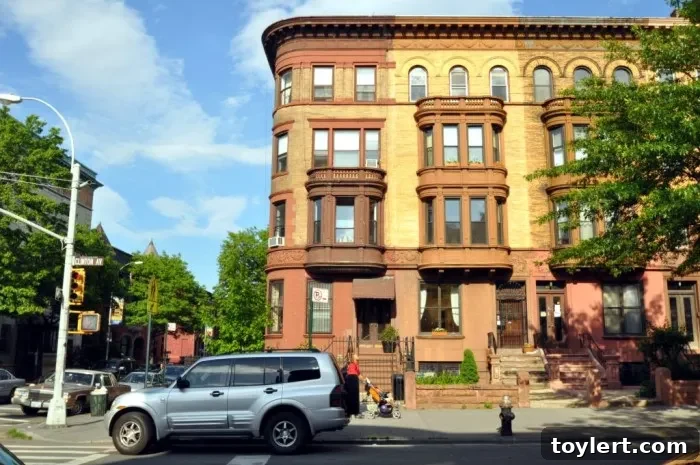
Discovering Brooklyn’s Architectural Gems: The Enduring Legacy of Clinton Avenue Row Houses
Brooklyn is a borough rich with history, culture, and an architectural identity unlike any other. Among its most iconic features are the magnificent row houses that line its tree-shaded streets, each telling a story of bygone eras while remaining vibrant parts of modern communities. Today, we turn our gaze to a particularly captivating ensemble: the historic row houses nestled at 287-293 Clinton Avenue, a testament to Brooklyn’s enduring charm and architectural prowess.
Clinton Avenue, often celebrated as one of Brooklyn’s grandest thoroughfares, embodies an elegant blend of residential tranquility and urban sophistication. Located primarily within the historic Clinton Hill neighborhood, it showcases an impressive array of architectural styles, primarily from the 19th and early 20th centuries. The homes at 287-293 Clinton Avenue are quintessential examples of the brownstone typology that has become synonymous with Brooklyn living, offering a glimpse into the borough’s illustrious past and its commitment to preserving its heritage.
The Allure of Brooklyn Row Houses: A Deep Dive into a Defining Architectural Style
The term “row house” itself conjures images of stately facades, intricate details, and a communal urban fabric. These attached or semi-attached single-family homes, sharing side walls with neighboring properties, emerged as a pragmatic and aesthetically pleasing solution for urban development during the 18th and 19th centuries. In Brooklyn, and particularly in neighborhoods like Clinton Hill, Fort Greene, Park Slope, and Cobble Hill, row houses reached their zenith, transforming vast tracts of land into cohesive, upscale residential districts.
Architectural Characteristics and Common Materials
Brooklyn row houses, especially those of significant historical value like the ones on Clinton Avenue, typically exhibit several defining characteristics:
- Brownstone Facades: While “brownstone” is often used interchangeably with “row house” in Brooklyn, it specifically refers to the reddish-brown sandstone used for the facade. This material, quarried primarily from New Jersey, was prized for its rich color, relatively easy workability, and availability. It became a symbol of prosperity and sophistication in the mid-19th century.
- Grand Stoops: The iconic stoop, a set of stairs leading from the sidewalk up to the main entrance, is a hallmark feature. Beyond its aesthetic appeal, the stoop served practical purposes: elevating the parlor floor above street level offered privacy, reduced street noise, and provided a sense of grandeur. It also became a social gathering spot.
- Ornate Details: Expect to find exquisite craftsmanship in cornices, window enframements, door surrounds, and ironwork railings. Styles varied from the restrained elegance of Greek Revival to the more elaborate flourishes of Italianate and Neo-Grec designs.
- Tall Ceilings and Large Windows: Interiors typically boast high ceilings, particularly on the parlor floor, and tall windows designed to maximize natural light in urban settings.
- Deep Lots: Many Brooklyn row houses were built on deep lots, often including a private garden space at the rear, a valuable amenity in city living.
A Glimpse into History: The Development of Clinton Avenue
Clinton Hill, the neighborhood that Clinton Avenue largely defines, began its transformation into an elite residential enclave in the mid-19th century. Originally part of the larger Fort Greene area, it attracted wealthy merchants, industrialists, and professionals seeking spacious homes away from the bustling financial districts of Manhattan and downtown Brooklyn. The avenue itself became a promenade of architectural masterpieces, featuring grand mansions alongside more modest, yet equally distinguished, row houses.
The period between the 1840s and 1890s saw a boom in construction, with various architectural styles emerging and evolving. The row houses at 287-293 Clinton Avenue likely date from this prolific period, showcasing the prevalent design sensibilities of their time. These homes weren’t just structures; they were statements of status, testaments to burgeoning wealth, and foundations for burgeoning families who contributed significantly to Brooklyn’s growth.
Architectural Styles Gracing Clinton Avenue
While specific details for 287-293 Clinton Avenue are generalized in this article, it’s illustrative to discuss the common styles found along this prestigious street, which these particular homes would likely embody or be influenced by:
- Greek Revival (c. 1830s-1850s): Characterized by classical elements like columns, pilasters, and intricate cornices, reflecting the democratic ideals of ancient Greece.
- Italianate (c. 1850s-1870s): Known for their projecting cornices supported by brackets, tall narrow windows often with arched tops, and often a more elaborate, picturesque quality reminiscent of Italian villas. Many brownstones fall into this category.
- Neo-Grec (c. 1870s-1880s): A more restrained and linear interpretation of classical forms, often featuring incised ornamentation and a simpler, bolder aesthetic than Italianate.
- Romanesque Revival (c. 1880s-1890s): Distinguished by rounded arches, heavy masonry, and often rough-hewn stone, exuding a sense of solidity and grandeur.
- Queen Anne (c. 1880s-1900s): More eclectic and asymmetrical, often featuring turrets, bay windows, textured surfaces, and decorative shingles. While less common for full-row houses, elements might appear.
The properties at 287-293 Clinton Avenue would likely showcase elements from the Italianate or Neo-Grec periods, given the peak of brownstone construction in Clinton Hill. Their facades would boast meticulously crafted details – perhaps delicate ironwork on the stoop railings, carved lintels above windows, or a decorative cornice crowning the structure. Each architectural flourish was carefully considered, contributing to the overall grandeur and streetscape harmony.
Life on Clinton Avenue: Past and Present
Imagine life in these homes over a century ago. The parlor floor would have been the center of social activity, hosting elegant gatherings, musical evenings, and intellectual discourse. Family life would unfold across multiple levels, with servants quarters often in the basement or attic, and bedrooms occupying the upper floors. The back gardens would have offered a private oasis for relaxation and recreation.
Today, these historic row houses continue to be highly sought-after residences. They represent a unique blend of historical significance and modern luxury. Owners often undertake meticulous renovations, striving to preserve original details such as plaster moldings, marble fireplaces, pocket doors, and original hardwood floors, while integrating contemporary amenities like updated kitchens, bathrooms, and smart home technology. This delicate balance of preservation and modernization is crucial to maintaining the integrity of these architectural treasures.
The community aspect of living in a Brooklyn row house is also a significant draw. The shared walls foster a sense of closeness, while the stoops often serve as impromptu meeting points for neighbors. Clinton Avenue itself has retained much of its historic character, with a strong sense of community and residents who appreciate the beauty and heritage of their surroundings. The presence of nearby institutions, parks, and vibrant local businesses further enhances the quality of life.
Investing in History: The Value of Brooklyn Brownstones
Beyond their aesthetic and historical appeal, Brooklyn row houses, particularly those on prestigious avenues like Clinton, represent a sound investment. Their scarcity, historical significance, and desirability contribute to their strong market value. Preserving these homes is not just about maintaining architectural beauty; it’s about safeguarding a tangible link to Brooklyn’s past and ensuring its unique character endures for future generations.
The dedication of homeowners, local preservation societies, and community boards plays a vital role in this ongoing effort. Strict landmark designations in areas like Clinton Hill help prevent inappropriate alterations and demolitions, ensuring that the visual harmony and historical authenticity of these streets are protected. The homes at 287-293 Clinton Avenue stand as prime examples of this successful preservation, blending seamlessly into the street’s distinguished tapestry while offering timeless elegance.
Conclusion: The Timeless Appeal of Brooklyn’s Clinton Avenue Row Houses
The row houses at 287-293 Clinton Avenue are more than just buildings; they are custodians of history, embodying the spirit of Brooklyn’s golden age of architecture. They showcase the artistry of past craftsmen, the aspirations of early Brooklynites, and the enduring appeal of a well-designed urban home.
From their distinctive brownstone facades and grand stoops to their thoughtfully designed interiors, these homes continue to captivate. They represent a lifestyle that values heritage, community, and sophisticated urban living. As Brooklyn continues to evolve, these magnificent row houses on Clinton Avenue remain steadfast symbols of its rich architectural legacy, inviting residents and admirers alike to step back in time while enjoying all the conveniences of the present. Their timeless beauty ensures they will continue to be cherished landmarks for generations to come, truly making them “Brooklyn, one building at a time” – an irreplaceable part of the borough’s narrative.