Brooklyn’s Evolving Commercial Tapestry: A Deep Dive into Neighborhood Business Dynamics
Brooklyn, a borough celebrated for its vibrant culture, diverse communities, and constant evolution, is a microcosm of urban development and change. Its commercial landscape is in perpetual motion, reflecting broader economic trends, shifting demographics, and the relentless march of gentrification. This deep dive explores recent significant business openings and closures across key Brooklyn neighborhoods — Crown Heights, Park Slope, and North Brooklyn — highlighting the stories behind these transitions and the underlying forces shaping the borough’s future.
Crown Heights: Navigating a Period of Profound Transformation
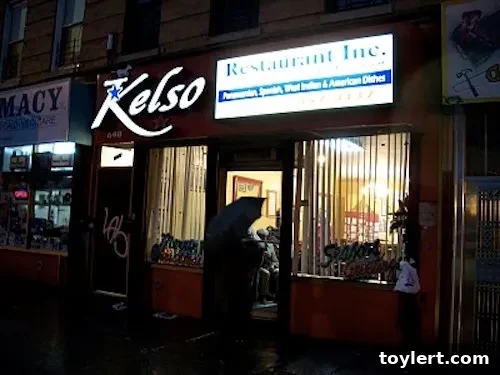
Crown Heights stands as a prime example of Brooklyn’s rapid transformation. Once a predominantly working-class neighborhood, it has experienced significant gentrification over the past two decades, leading to a complex mix of new residents and long-time community members. This demographic shift inevitably impacts the commercial ecosystem, as seen in the recent flurry of activity along Franklin Avenue, a bustling artery renowned for its local businesses.
The End of an Era: Kelso’s Closure on Franklin Avenue
One of the most poignant changes reported by I Love Franklin Avenue was the shuttering of Kelso, a Panamanian restaurant that had been a staple on Franklin Avenue since 1969. For over five decades, Kelso served as a culinary landmark and a cultural touchstone for the Crown Heights community, offering authentic flavors and a welcoming atmosphere that transcended generations. Its closure last week due to being “priced out” underscores a harsh reality faced by many legacy businesses across Brooklyn: escalating commercial rents and property values make it increasingly difficult for long-standing establishments to remain viable. The loss of businesses like Kelso is not just an economic event; it represents a significant blow to the neighborhood’s unique character and historical fabric, eroding the diversity of offerings that once made Crown Heights so distinctive.
New Flavors and Venues Emerge in Crown Heights
While the departure of a beloved institution like Kelso casts a shadow, the commercial landscape of Crown Heights is also continually refreshed by new ventures. On the other side of Eastern Parkway, a new establishment named Pulp and Bean II is reportedly preparing for its grand opening. This new coffee spot signals the continued growth of Brooklyn’s vibrant café culture, catering to the evolving tastes and demands of residents, including a burgeoning remote workforce and a population increasingly valuing local, artisanal coffee experiences. The arrival of such establishments often brings new energy and modern amenities to commercial corridors.
Further enriching the neighborhood’s dining scene, Cent’Anni, a new Italian restaurant, has recently opened its doors near Sterling Place. The introduction of Cent’Anni reflects a broader trend of culinary diversification in Crown Heights, with a growing array of international and contemporary dining options emerging. This new Italian eatery adds another layer to the neighborhood’s gastronomic appeal, attracting food enthusiasts and providing additional choices for local residents seeking diverse culinary experiences. These openings illustrate the ongoing dynamism, where new businesses rapidly fill and redefine spaces, albeit sometimes at the cost of older, more established ones.
Park Slope: Sustaining Charm Amidst Commercial Flux
Park Slope, renowned for its picturesque brownstones, leafy streets, and a well-established community, also experiences its share of commercial ebb and flow. Even in a relatively affluent and stable neighborhood, businesses face fierce competition and the pressures of the urban market. The changes observed along its vibrant Fifth Avenue retail corridor exemplify this constant state of adjustment.
High Turnover: The Case of Habana Tapas
South Slope News reported the recent closure of Habana Tapas, a Cuban restaurant located on 5th Avenue. Despite the appeal of Cuban cuisine, the establishment lasted merely two years in the competitive Park Slope market. This relatively short lifespan highlights the intense challenges new restaurants face in Brooklyn, even in prime locations. Factors such as high operating costs, the demanding nature of the restaurant industry, and the difficulty of building a loyal customer base quickly can all contribute to such rapid turnovers. The closure of Habana Tapas serves as a reminder that commercial success is never guaranteed, irrespective of a neighborhood’s desirability.
From Bread to Southeast Asian Delights
The culinary landscape along 5th Avenue continues its rapid evolution. Construction is actively underway at the former Brooklyn Bread spot, located conveniently at the corner of 5th Avenue and 6th Street. Park Slope Stoop confirmed that this space is poised to welcome a new Southeast Asian restaurant. This transition from a bakery to an ethnic restaurant signifies a continuing trend towards greater culinary diversity and the increasing demand for international flavors among Brooklyn residents. It also illustrates how quickly commercial spaces can be repurposed, adapting to the latest consumer preferences and entrepreneurial visions.
Vacancies and Opportunities: Casa Ventura and Loli’s Taqueria
Adding to the commercial shifts, the locations previously occupied by both Casa Ventura and Loli’s Taqueria are now available for rent. Multiple vacancies in a concentrated area, even in a thriving neighborhood like Park Slope, point to the fluid nature of commercial real estate. These availabilities present new opportunities for aspiring entrepreneurs and established businesses looking to tap into the Park Slope market. However, they also underscore the persistent challenges of maintaining long-term commercial leases and adapting to market forces that can render even once-popular spots unsustainable.
North Brooklyn: A Hub of Perpetual Reinvention
North Brooklyn, encompassing vibrant neighborhoods like Williamsburg, Greenpoint, and Bushwick, has long been at the forefront of Brooklyn’s transformation. Known for its artistic scene, trendsetting businesses, and a rapidly expanding residential base, this area is a hotbed of commercial activity, characterized by constant reinvention.
The Shifting Sands of Retail in North Brooklyn
In Williamsburg, for instance, the landscape is always changing. Beloved independent bookstores and vintage clothing shops, once cornerstones of the area’s indie charm, often face immense pressure from soaring rents. A hypothetical example might be the closure of “The Curio Nook,” a small, independently owned vintage boutique on Bedford Avenue that, despite a loyal following, succumbed to a 150% rent increase after its lease expired. Such closures, while preserving the aesthetics of the original business, often result in the space being taken over by larger retail chains or high-end boutiques, fundamentally altering the street’s character and contributing to a sense of homogenization. This phenomenon is a recurring theme in areas experiencing rapid gentrification, where economic viability often triumphs over established community identity.
Innovative Concepts and the Rise of Niche Services
Simultaneously, North Brooklyn continues to attract innovative businesses that cater to its evolving population. In Greenpoint, for example, a new concept called “The Artisan Hub,” a multi-functional space combining a specialty coffee shop, a curated local art gallery, and a small co-working area, recently opened near Transmitter Park. This type of hybrid business model reflects the contemporary demands of North Brooklyn residents – a blend of high-quality local products, cultural engagement, and flexible work environments. These establishments thrive by offering unique experiences and services that resonate with the creative and entrepreneurial spirit of the community, often leveraging social media and local partnerships to build their brand quickly. The constant flow of new ideas and business models ensures that North Brooklyn remains a dynamic and attractive destination for both residents and visitors.
Bushwick’s Dynamic Evolution
Bushwick, mirroring the trends in Williamsburg and Greenpoint, is also experiencing a rapid evolution of its commercial sectors. While it retains much of its industrial charm and artistic grit, new businesses are constantly emerging alongside existing ones. The transformation often includes the conversion of old warehouses into stylish eateries, artisanal breweries, or expansive art studios. This continuous development showcases Bushwick’s unique ability to blend its raw, industrial past with a burgeoning contemporary identity, attracting a diverse range of entrepreneurs and residents. The challenge, as in other parts of North Brooklyn, lies in managing this growth sustainably, ensuring that new developments complement rather than overshadow the neighborhood’s established cultural fabric.
Conclusion: Brooklyn’s Enduring Commercial Resilience
The narratives unfolding in Crown Heights, Park Slope, and North Brooklyn paint a comprehensive picture of Brooklyn’s commercial landscape: one of perpetual motion, marked by both the bittersweet farewells to long-standing establishments and the exciting arrival of new ventures. The forces of gentrification, rising real estate costs, and shifting consumer preferences continuously reshape how neighborhoods look and feel. While the loss of cherished local businesses due to economic pressures is a recurring concern, it is often paralleled by the emergence of new, innovative enterprises that keep Brooklyn’s commercial arteries vibrant and diverse. Understanding these ongoing changes is crucial for residents, business owners, and urban planners alike, as they collectively navigate the borough’s relentless evolution and strive to balance progress with the preservation of local character and community well-being. Brooklyn remains, at its core, a borough defined by its resilience and an unwavering spirit of reinvention.