Preserving Dumbo’s Heritage: The Evolution of Retail at 68 Jay Street
Dumbo, Brooklyn, stands as a testament to New York City’s dynamic history and its remarkable ability to reinvent itself. Once a bustling industrial waterfront, this iconic neighborhood has transformed into a vibrant residential and commercial hub, celebrated for its cobblestone streets, breathtaking waterfront views, and architecturally significant buildings. This delicate balance between preserving historical integrity and embracing modern functionality is a continuous process, often highlighted by specific projects that come under the scrutiny of the Landmarks Preservation Commission (LPC). One such example bringing this conversation to the forefront is the proposed retail space makeover at 68 Jay Street, a prominent address within the Dumbo Historic District.
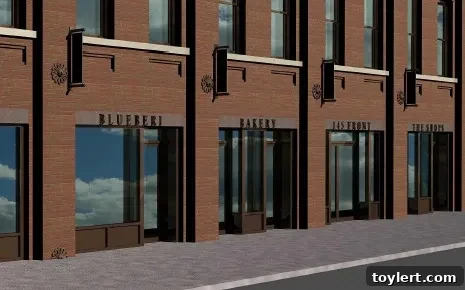
According to reports from Dumbo NYC, changes are underway for the ground-floor retail unit at this historic location. This initiative isn’t merely a cosmetic upgrade; it’s a meticulously planned effort to bring the property into compliance with the stringent guidelines set forth for landmarked buildings, ensuring that any alterations respect the rich architectural legacy of the area. The building itself is a magnificent example of the “Daylight Factory” style, a design ethos characteristic of early 20th-century industrial architecture, specifically constructed in 1915.
Dumbo’s Enduring Appeal: A Tapestry of History and Innovation
The neighborhood of Dumbo, an acronym for “Down Under the Manhattan Bridge Overpass,” boasts an unparalleled charm that captivates residents, businesses, and tourists alike. Its historic district designation is a crucial factor in maintaining this unique character. The streets are lined with former factory buildings, now repurposed into luxury lofts, innovative office spaces, and trendy retail establishments, all while retaining their original industrial grandeur. This adaptive reuse has been a cornerstone of Dumbo’s renaissance, turning what were once warehouses into canvases for contemporary living and commerce.
The Landmarks Preservation Commission plays a pivotal role in this transformation, acting as the guardian of New York City’s architectural heritage. Their oversight ensures that as Dumbo continues to evolve, new developments and renovations harmonize with the existing historical fabric. This is particularly vital in areas like Dumbo, where every building tells a story of the city’s past, from its manufacturing prowess to its current status as a global cultural and economic hub. The integrity of these structures contributes significantly to Dumbo’s distinct visual identity and its enduring appeal as a prime location in Brooklyn.
68 Jay Street: A Glimpse into the “Daylight Factory” Era
The building at 68 Jay Street is a quintessential example of the “Daylight Factory” architectural style, a design approach popular in the early 20th century, especially for industrial buildings. These structures were characterized by large windows and open floor plans, maximizing natural light and ventilation – a revolutionary concept at a time when artificial lighting was less efficient and more costly. Designed by William Higginson and constructed in 1915, 68 Jay Street embodies these principles, featuring prominent American round arch elements that add a distinctive aesthetic flair to its industrial functionality.
William Higginson was a notable architect of his time, known for his pragmatic yet often elegant industrial designs. His work contributed significantly to the changing urban landscape of New York, providing the infrastructure for the city’s burgeoning manufacturing sector. Buildings like 68 Jay Street were initially designed to house various industrial operations, from printing presses to textile manufacturing, facilitating the economic engine of Brooklyn. Today, these same robust structures, with their high ceilings and expansive windows, offer ideal spaces for modern retail, creative offices, and residential conversions, blending historical resilience with contemporary needs.
The transition of these industrial spaces into retail environments presents both opportunities and challenges. While the spacious interiors and distinctive architecture attract unique businesses and customers, integrating modern commercial requirements with historic preservation guidelines demands careful planning and execution. This is precisely the scenario unfolding at 68 Jay Street, where the retail space is undergoing a significant review to ensure its commercial viability aligns with its landmarked status.
The Guardians of Heritage: New York City’s Landmarks Preservation Commission
The Landmarks Preservation Commission (LPC) is the largest municipal preservation agency in the United States, responsible for protecting the architectural, historical, and cultural heritage of New York City. Established in 1965, following the demolition of Pennsylvania Station, the LPC’s mission is to designate and regulate historic properties and districts, ensuring that proposed changes are appropriate and do not detract from their historical significance. Their jurisdiction covers over 37,000 landmark properties, including numerous historic districts like Dumbo.
For buildings within a historic district, any exterior alteration, from window replacements to signage installations, must receive approval from the LPC. This rigorous process involves submitting detailed plans, often requiring multiple rounds of review and public hearings. The LPC’s guidelines are comprehensive, addressing everything from material choices and design aesthetics to the scale and placement of features like awnings, signs, and exterior lighting. The goal is to maintain the visual coherence and historical accuracy of the district, preventing piecemeal alterations that could erode its character over time.
In the case of 68 Jay Street, the existing awnings, signs, and lighting for the retail space have been identified as violating landmark rules. This often occurs when modifications are made without prior LPC approval, or when previous installations predated stricter regulations or were deemed inconsistent with the district’s aesthetic guidelines upon subsequent review. The LPC’s enforcement ensures that all property owners, even those with long-standing installations, adhere to the evolving standards of preservation.
Navigating Modernization in a Historic Context: The 68 Jay Street Retail Makeover
The master plan submitted to the LPC for 68 Jay Street aims to rectify these violations and implement a standardized signage scheme. This approach is critical for several reasons. Firstly, it ensures visual harmony across the retail front, presenting a cohesive and aesthetically pleasing streetscape that complements the historic architecture. Standardized schemes often involve uniform dimensions, materials, and mounting methods for signs, and coordinated designs for awnings and lighting fixtures. This prevents the cluttered and often discordant appearance that can result from a proliferation of individually designed, non-compliant elements.
The removal of existing awnings, signs, and lighting that do not meet current landmark standards is a necessary step in this process. While potentially costly for property owners, these measures are fundamental to upholding the integrity of the Dumbo Historic District. Replacing them with LPC-approved alternatives not only brings the property into compliance but also enhances the overall commercial appeal by presenting a polished and respectful storefront that aligns with the neighborhood’s upscale image.
This initiative represents a proactive effort to integrate modern retail needs within the framework of historical preservation. It demonstrates that businesses can thrive in landmarked buildings while contributing positively to the district’s character. By embracing a standardized, historically sensitive approach, the retail space at 68 Jay Street can serve as a model for future commercial developments within Dumbo and other historic districts across New York City.
The Public Hearing: A Crucial Step in Preservation
The next critical phase for the 68 Jay Street project is the public hearing, scheduled to take place on September 4th at 9:30 am, at 1 Centre Street in Manhattan. This hearing is a cornerstone of the LPC’s decision-making process, providing an opportunity for the public, community boards, and other interested parties to voice their opinions and concerns regarding the proposed changes. Such hearings are transparent forums where the merits of a project are openly discussed, ensuring that community input is considered before a final decision is rendered.
For projects involving significant alterations in historic districts, public engagement is vital. It allows the LPC to gauge community sentiment, identify potential impacts that might have been overlooked, and ensure that the proposed plan serves the best interests of both the property owner and the broader public. The outcome of this hearing will determine whether the proposed standardized signage scheme and the removal of non-compliant elements receive the necessary LPC approval, paving the way for the transformation of the retail space.
The Future of Retail in Dumbo’s Historic Landscape
The retail makeover at 68 Jay Street is more than just a renovation project; it’s a microcosm of the ongoing dialogue between development and preservation in one of New York City’s most cherished neighborhoods. It underscores the importance of the Landmarks Preservation Commission’s role in guiding change and ensuring that Dumbo’s unique architectural heritage continues to inspire and thrive.
As Dumbo continues to attract innovative businesses and discerning residents, the careful stewardship of its historic buildings remains paramount. Projects like 68 Jay Street highlight the dynamic tension and eventual harmony that can be achieved when modern commercial endeavors are thoughtfully integrated into a historically rich urban fabric. The commitment to standardized, historically compliant design solutions not only protects the aesthetic integrity of the district but also contributes to its long-term economic vitality, proving that preservation and progress can indeed go hand in hand.
Rendering from Community Board 2 via Dumbo NYC