Bay Ridge: A Beloved Scandinavian Landmark Reopens Its Doors
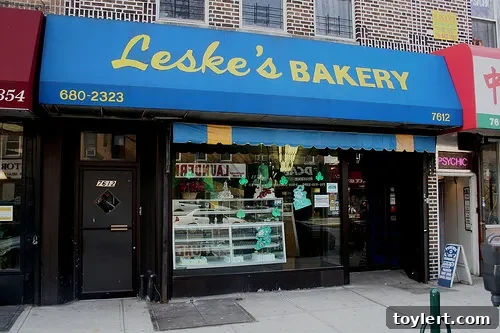
The vibrant landscape of Brooklyn’s local businesses is constantly evolving, a testament to the borough’s dynamic spirit and the entrepreneurial drive of its residents. Amidst this ebb and flow, some establishments hold a special place in the hearts of their communities, representing continuity, tradition, and a sense of home. One such cherished institution, Leske’s Bakery in Bay Ridge, recently embarked on an exciting new chapter, signaling not just a business transaction but a reaffirmation of local heritage and culinary excellence.
As reported by Grub Street, the venerable Scandinavian bakery, Leske’s, officially reopened its doors under new ownership, bringing a wave of excitement and relief to the Bay Ridge community. This was not merely a change of hands but a thoughtful transition, meticulously orchestrated to preserve the essence of what has made Leske’s a local legend for decades. The good news resonated deeply throughout the neighborhood: “The move has the blessing of the Leske family, and much of the old staff will return, with the same Scandinavian recipes — plus black-and-white cookies.” This statement alone speaks volumes, assuring long-time patrons that the familiar tastes and faces they’ve come to love would remain.
Leske’s Bakery is more than just a place to buy pastries; it’s a cornerstone of Bay Ridge’s cultural fabric, a gathering place where generations have celebrated milestones and enjoyed everyday delights. Its reopening under new stewardship, but with the full endorsement and guidance of the original Leske family, underscores a profound respect for its rich legacy. The decision to retain much of the seasoned staff is particularly impactful, ensuring that the artisanal skills and time-honored techniques perfected over years continue uninterrupted. This commitment to authenticity is crucial for a bakery renowned for its traditional Scandinavian treats, from delicate Kringler to robust Rye breads.
The culinary landscape of Brooklyn is diverse, but Leske’s has always stood out for its unique Scandinavian offerings. The promise of “the same Scandinavian recipes” ensures that the distinctive flavors and textures that have defined the bakery for so long will continue to enchant palates. Furthermore, the strategic addition of “black-and-white cookies” signals an intelligent blending of tradition with broader Brooklyn appeal. These iconic New York cookies, a staple in many local bakeries, broaden Leske’s customer base while still honoring its roots. This thoughtful expansion of the menu reflects an understanding of both heritage and contemporary market demands, aiming to serve both loyal customers and attract new ones.
To mark this momentous occasion and welcome back its cherished community, Leske’s Bakery extended a heartwarming gesture: they gave out free cookies to patrons throughout the day until supplies ran out. This act of generosity not only celebrated the grand reopening but also reinforced the bakery’s role as a community hub, fostering goodwill and reaffirming its place in the neighborhood’s daily life. Such initiatives are vital for local businesses, creating memorable experiences and strengthening the bonds between establishments and their clientele. The return of Leske’s is a powerful narrative of resilience, community spirit, and the enduring appeal of quality, tradition, and a welcoming atmosphere in the heart of Bay Ridge.
Photo by Eating in Translation.
Park Slope: Navigating the Tides of Change in a Vibrant Neighborhood
Park Slope, celebrated for its historic brownstones, lush Prospect Park, and bustling commercial avenues, is a neighborhood continuously adapting to the currents of urban development and shifting consumer trends. While it remains one of Brooklyn’s most desirable locales, its business ecosystem is not immune to challenges, as recent reports highlight a series of closures and transitions that reflect the intricate dynamics of running a local enterprise in a competitive market. These changes, though sometimes signaling loss, also pave the way for new opportunities, illustrating the relentless cycle of urban renewal.
Among the notable changes, FIPS, a local watchdog, brought attention to the shuttering of the Konditori Espresso Bar by the Department of Health (DOH). DOH closures are often a sobering reminder of the stringent health and safety regulations that all food service establishments must adhere to. While necessary for public welfare, such actions can be devastating for small businesses, often leading to significant operational disruptions, financial strain, and, at times, permanent closure. Konditori, known for its minimalist design and quality coffee, represented a growing trend of specialty coffee shops in Brooklyn, making its closure a noticeable void for its loyal patrons and the wider coffee community. The incident underscores the critical importance of meticulous compliance for any establishment serving the public.
Further down the avenue, Park Slope Stoop observed “For Rent” signs adorning the former 5th Ave Brooklyn Bread space. The appearance of a “For Rent” sign in a prime commercial corridor like 5th Avenue is a common sight in rapidly gentrifying neighborhoods. It often signifies the end of one business’s chapter, potentially due to rising rents, changing customer preferences, or simply the natural end of a lease. For entrepreneurs and residents, these vacant storefronts spark both concern and curiosity: what kind of business will fill this space next? Will it be another independent local shop, or will a chain move in, altering the unique character of the avenue? The turnover of retail spaces is a constant in urban environments, reflecting the ongoing economic pressures and opportunities in areas like Park Slope.
Here’s Park Slope, another vital local news source, provided a comprehensive update on several other significant shifts. They reported that Yogo Monster was set to close its doors in October. The frozen yogurt craze, while immensely popular for a time, has seen its peaks and valleys. Businesses catering to specific food trends often face the challenge of maintaining profitability once the initial novelty wanes or new trends emerge. Yogo Monster’s impending closure illustrates the fickle nature of the food service industry and the constant need for businesses to innovate and adapt to stay relevant in a competitive market like Park Slope.
In another instance of DOH intervention, Coco Roco was also shuttered by the Department of Health. The repeated occurrences of DOH closures in a single neighborhood within a short timeframe often prompt questions about oversight, business practices, and the inherent challenges of maintaining perfect compliance in a bustling culinary scene. For a neighborhood known for its diverse dining options, the closure of a restaurant, regardless of its size or cuisine, is always felt by the community, disrupting routines and reducing choices for local diners.
Perhaps one of the most poignant announcements came with the news that long-time Slope business Bob and Judi’s Coolectibles was officially done for at 217 5th Avenue. The closure of a veteran establishment like Bob and Judi’s is particularly impactful, as these businesses often represent the soul and history of a neighborhood. They are more than just shops; they are landmarks, repositories of memories, and symbols of a bygone era. Their disappearance marks not just an economic change but a cultural one, stripping away a layer of the neighborhood’s unique identity. The community often mourns such losses deeply, reflecting on the changing character of their beloved Park Slope and the increasing difficulty for unique, independent retailers to thrive amidst rising costs and evolving consumer habits.
Collectively, these shifts in Park Slope tell a compelling story of an urban environment in flux. While some closures are due to regulatory issues, others point to the relentless pressures of commercial real estate and the ever-changing tastes of a sophisticated urban population. These transitions are an integral part of Brooklyn’s narrative, constantly reshaping its avenues and defining the future of its cherished neighborhoods.
Ditmas Park: Blending Victorian Charm with Modern Vibrancy
Ditmas Park, renowned for its stunning Victorian homes and tree-lined streets, offers a unique residential experience within the sprawling metropolis of Brooklyn. This distinctive neighborhood has, in recent years, also cultivated a burgeoning commercial scene, particularly along its main arteries like Cortelyou Road and Newkirk Avenue. The business landscape here, much like its architecture, is a fascinating blend of old-world charm and contemporary dynamism, constantly evolving to meet the needs and desires of its diverse and growing population.
The recent period has seen a thoughtful expansion of Ditmas Park’s culinary and retail offerings, reflecting the neighborhood’s increasing appeal to a younger, more affluent demographic seeking both tranquility and urban amenities. For instance, the much-anticipated opening of “The Gilded Spoon,” an artisanal café and patisserie, has brought a new level of sophistication to Cortelyou Road. This establishment, specializing in ethically sourced coffee, homemade pastries, and light brunch fare, quickly became a local favorite, drawing residents with its cozy ambiance and commitment to quality ingredients. Its arrival signifies a trend towards specialty food and beverage businesses that cater to a clientele appreciative of craft and provenance, further solidifying Ditmas Park’s reputation as a foodie destination within Brooklyn. The Gilded Spoon’s success illustrates how new, high-quality independent businesses can thrive by understanding and serving the specific tastes of the community.
Conversely, the neighborhood also witnessed the quiet closure of “Pete’s Hardware & Home Goods,” a local staple for over three decades on Newkirk Avenue. Pete’s, with its cluttered aisles and knowledgeable, often gruff, proprietor, embodied the spirit of a traditional neighborhood hardware store where one could always find that obscure screw or receive practical advice for a home repair. Its closure, attributed to the owner’s retirement and an inability to find a suitable buyer who could navigate the rising operational costs, marks a significant change. The loss of such a utilitarian and long-standing establishment is keenly felt by many residents who relied on its convenience and personal service. This phenomenon is not unique to Ditmas Park; across Brooklyn, the independent hardware store, much like the independent bookstore, faces immense pressure from larger chains and online retailers. Pete’s departure leaves a practical void and sparks conversations about the preservation of essential local services in a rapidly changing urban environment.
These openings and closures in Ditmas Park highlight the delicate balance between progress and preservation that characterizes many of Brooklyn’s unique enclaves. While new businesses like The Gilded Spoon bring fresh energy, diverse options, and economic vitality, the disappearance of community mainstays like Pete’s Hardware underscores the challenges of maintaining the authentic character and practical infrastructure that define a truly livable neighborhood. Residents of Ditmas Park continue to actively engage in these conversations, striving to support the local economy while advocating for businesses that enhance, rather than erode, the distinctive charm and livability of their Victorian oasis. The neighborhood’s evolution is a continuous dialogue, with each new chapter reflecting the collective aspirations and challenges of its community.
Brooklyn’s Ever-Evolving Local Landscape: A Tapestry of Resilience and Change
The narrative woven through the business updates from Bay Ridge, Park Slope, and Ditmas Park offers a microcosm of Brooklyn’s broader commercial landscape. It’s a story of constant flux, where cherished institutions like Leske’s Bakery find new life under dedicated stewardship, while other long-standing businesses, like Bob and Judi’s Coolectibles, inevitably reach the end of their journey. This dynamic interplay of openings and closures, new ventures and fond farewells, underscores the inherent resilience and adaptability of Brooklyn’s neighborhoods.
What becomes clear is the powerful role of community in shaping these outcomes. The enthusiastic welcome for Leske’s Bakery’s return in Bay Ridge, fueled by nostalgia and a desire to support local traditions, exemplifies the potent impact of collective endorsement. Similarly, the reflections on closures in Park Slope – whether due to health regulations, market shifts, or the retirement of owners – highlight the emotional and practical voids left behind when a business that has served the community for years disappears. In Ditmas Park, the careful balance between welcoming new, trendy establishments and grappling with the loss of essential, traditional services illustrates the ongoing conversation about identity and progress in unique urban enclaves.
For entrepreneurs, these stories serve as both inspiration and cautionary tales. They speak to the enduring appeal of quality, authenticity, and excellent customer service, but also to the unforgiving pressures of rising rents, stringent regulations, and ever-changing consumer tastes. The borough’s local economy is not just a collection of businesses but a living, breathing ecosystem, constantly being reshaped by countless individual decisions, market forces, and community engagements.
As Brooklyn continues to evolve, these narratives remind us that the heart of its unique charm lies in its diverse, independent businesses. Supporting these local enterprises, whether they are just opening their doors or celebrating decades of service, is crucial for preserving the character, vitality, and economic health of each neighborhood. The ongoing saga of openings and closures is not just about commercial transactions; it’s about the very soul of Brooklyn, constantly renewing itself while striving to honor its rich past.