Brooklyn’s Coastal Charms: Unearthing the Rich History of Bergen Beach and Coney Island
For generations, the promise of a sun-drenched day by the sea has drawn New Yorkers to Brooklyn’s captivating coastline. While Coney Island often steals the spotlight as the quintessential escape for city-weary souls, the lesser-known, yet equally fascinating, Bergen Beach holds a significant place in the borough’s historical narrative. This article delves into the captivating past of Bergen Beach, exploring its rise as a vibrant leisure destination, its intricate connection to the broader story of Brooklyn, and the remarkable foresight that shaped the very infrastructure designed to transport people not just to work, but to play.
This exploration continues in Part 2, where we uncover more fascinating details of Brooklyn’s seaside resorts.
The Allure of Bergen Beach: A Glimpse into Brooklyn’s Lost Paradise
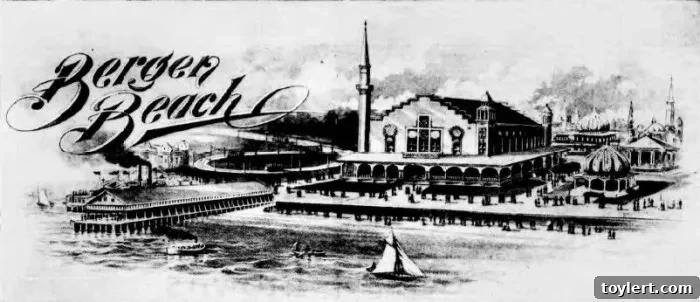
Nestled along Jamaica Bay in southeastern Brooklyn, Bergen Beach emerged in the late 19th and early 20th centuries as a formidable rival to the more famous Coney Island. Its name originates from the Bergen family, early Dutch settlers who owned vast tracts of land in the area. By the 1890s, developers recognized the immense potential of this tranquil waterfront, envisioning it as a prime destination for leisure and recreation. Advertisements from the era, like the 1896 example pictured above, paint a vivid picture of a bustling resort, promising exhilarating amusement and refreshing sea breezes to eager visitors.
Unlike the wild, often raucous atmosphere that characterized parts of Coney Island, Bergen Beach cultivated a reputation for being a more refined, family-friendly retreat. It offered a variety of attractions designed to cater to a slightly different demographic. Visitors could enjoy leisurely boat rides on the bay, swim in the calmer waters, or simply relax on the sandy shores. The resort featured a grand hotel, pavilions, bathhouses, and even an amusement park with carousels and other rides, though on a smaller, perhaps more genteel, scale than its western counterpart. The relative peace and natural beauty of Jamaica Bay provided a serene backdrop for those seeking an escape from the urban hustle without venturing too far from home.
From Rural Farmland to Resort Mecca: The Development of Bergen Beach
The transformation of Bergen Beach from a largely rural expanse into a thriving resort was a testament to the burgeoning demand for recreation among New York’s growing population. Developers invested heavily in creating an accessible and appealing destination. They dredged channels, built boardwalks, and constructed grand structures that defined the resort’s identity. The area’s natural marshlands and proximity to the bay made it ideal for water-based activities, which were heavily promoted. The development was not just about building attractions; it was about creating an entire experience, a distinct atmosphere that differentiated it from other coastal destinations.
The prosperity of Bergen Beach was intricately linked to the expansion of Brooklyn’s transportation network. Access was key. As mass transit systems extended their reach, bringing more people from various parts of Brooklyn and Manhattan directly to its shores, the resort’s popularity soared. This era was a golden age for Brooklyn’s seaside communities, as they became vital arteries for the flow of summer revelers, offering respite and entertainment in equal measure. The vision behind these developments was clear: to make the joy of coastal living and recreation accessible to the masses.
Coney Island’s Enduring Legacy and Its Influence on Brooklyn’s Beaches
While Bergen Beach carved out its own niche, the shadow and influence of Coney Island loomed large over Brooklyn’s recreational landscape. Coney Island, with its audacious amusement parks, legendary rides, and vibrant boardwalk culture, became a global icon of fun and fantasy. Its success demonstrated the immense economic potential of leisure-oriented development and set a precedent for other beach communities. Bergen Beach, though distinct, certainly benefited from the overall trend of New Yorkers seeking coastal entertainment.
Coney Island’s history is a kaleidoscopic blend of engineering marvels, entrepreneurial spirit, and an enduring appeal that transcends generations. From the whimsical Steeplechase Park to the thrilling Cyclone rollercoaster and the iconic Parachute Jump, Coney Island cemented its status as “America’s Playground.” Its continuous evolution, from a series of competing amusement parks to a revitalized modern destination, highlights the persistent human desire for escape, excitement, and communal joy. The innovations and attractions pioneered at Coney Island often inspired similar, albeit scaled-down, developments in places like Bergen Beach, creating a rich tapestry of seaside entertainment across the borough.
The Dynamic Duo: How Two Beaches Shaped Brooklyn’s Identity
Together, Bergen Beach and Coney Island contributed significantly to Brooklyn’s identity as a borough of diverse experiences. They offered different flavors of summer fun, catering to varied tastes and budgets. Coney Island represented the grand, extravagant spectacle, a place of constant motion and sensory overload. Bergen Beach, on the other hand, offered a more tranquil, perhaps more “classic” beach experience, with its emphasis on natural beauty and slightly more subdued amusements. This duality provided Brooklynites with options, ensuring that the dream of a perfect summer day was within reach for everyone.
The stories of both beaches are intertwined with the broader socio-economic history of New York City. They were melting pots where people from all walks of life could mingle, shed their daily worries, and create lasting memories. They served as democratic spaces where the pursuit of happiness was the primary agenda, fostering a sense of community and shared experience that continues to resonate in Brooklyn’s cultural fabric today.
Infrastructure for Joy: The Revolutionary Role of Transportation in Leisure
One of the most remarkable aspects of Brooklyn’s beach history is the visionary approach to transportation development. Many of Brooklyn’s finest roadways and an impressive network of mass transit lines – including trains, trolleys, and later buses – were primarily conceived and expanded not to shuttle workers to factories or offices, but to ferry people to the beaches. This emphasis on leisure infrastructure was revolutionary for its time and speaks volumes about the value placed on recreation and well-being for the city’s inhabitants.
Consider the expansive elevated train lines or the trolley routes that snaked through residential neighborhoods, all converging towards the coastal fringes of the borough. These were not mere conveniences; they were arteries of joy, connecting the dense urban core with invigorating seaside escapes. Developers understood that accessibility was paramount to the success of destinations like Bergen Beach and Coney Island. Without efficient and affordable public transport, these resorts would have remained exclusive enclaves rather than popular destinations for the working and middle classes.
The Impact of Transit on Urban Development and Social Equity
The construction of these leisure-focused transit lines had profound implications for urban development. They facilitated the growth of new neighborhoods along their routes, making formerly remote areas accessible for both residential and commercial expansion. More importantly, they democratized access to leisure. For countless New Yorkers who toiled in demanding industrial jobs, a day at the beach was not just a luxury but a vital necessity for mental and physical rejuvenation. These transit systems made that dream a reality, promoting social equity by making recreational opportunities available to a broader segment of the population.
The foresight to build infrastructure for play rather than solely for work underscores a unique chapter in urban planning. It highlights a period where the quality of life for residents was directly addressed through public works projects, acknowledging the human need for respite and entertainment. This legacy continues to shape how we view public spaces and recreational amenities in modern urban environments, reminding us that vibrant cities are not just about productivity, but also about the well-being and happiness of their citizens.
The Golden Age of Brooklyn’s Seaside Escapes
Imagine a summer day at the turn of the 20th century in Bergen Beach or Coney Island. The air would be thick with the smell of saltwater taffy, fried clams, and the distant cries of vendors. Music from carousels and brass bands would drift across the sand. Women in elaborate swimsuits and men in striped bathing costumes would stroll along boardwalks, children splashing in the gentle waves. These were places of wonder and excitement, where everyday worries melted away under the generous sun.
Attractions ranged from thrilling roller coasters and Ferris wheels to more sedate amusements like shooting galleries, fortune tellers, and vaudeville shows. Restaurants and refreshment stands offered everything from hot dogs and sodas to full-course meals. Souvenir shops bustled with visitors eager to take a piece of their seaside memories home. The atmosphere was electric, a celebration of life and leisure, a temporary paradise far removed from the constraints of city life.
Bergen Beach, with its calmer bay waters, likely attracted those seeking a more traditional beach experience, perhaps families with young children or individuals preferring a quieter ambiance. Here, picnics on the sand, swimming, and boating were primary activities, complemented by the resort’s own set of amusements. The feeling was one of an idyllic retreat, a place where nature’s beauty met carefully curated entertainment.
Conclusion: An Enduring Spirit of Recreation
From the bustling, fantastical shores of Coney Island to the tranquil, family-friendly sands of Bergen Beach, Brooklyn’s history is deeply interwoven with its remarkable seaside resorts. These destinations were more than just places to cool off; they were cultural touchstones, economic drivers, and testaments to a progressive vision of urban living that prioritized leisure and accessibility. The transportation networks built specifically to reach these havens underscore a fascinating chapter in urban development, highlighting a time when infrastructure for joy was considered as vital as infrastructure for work.
Today, while Bergen Beach has transformed into a residential neighborhood, its legacy as a vibrant resort lives on in historical records and the collective memory of Brooklynites. Coney Island, meanwhile, continues to captivate visitors with its timeless charm and exhilarating attractions, standing as a living monument to Brooklyn’s enduring spirit of recreation. Together, their stories remind us of the powerful allure of the sea, the ingenuity of those who built these pleasure grounds, and the fundamental human need for escape, fun, and the simple joy of a summer day at the beach.