by Kirstyn Brendlen, Brooklyn Paper
Bribery Scandal Rocks NYC: Broadway Stages Owners Charged in McGuinness Boulevard Redesign Plot
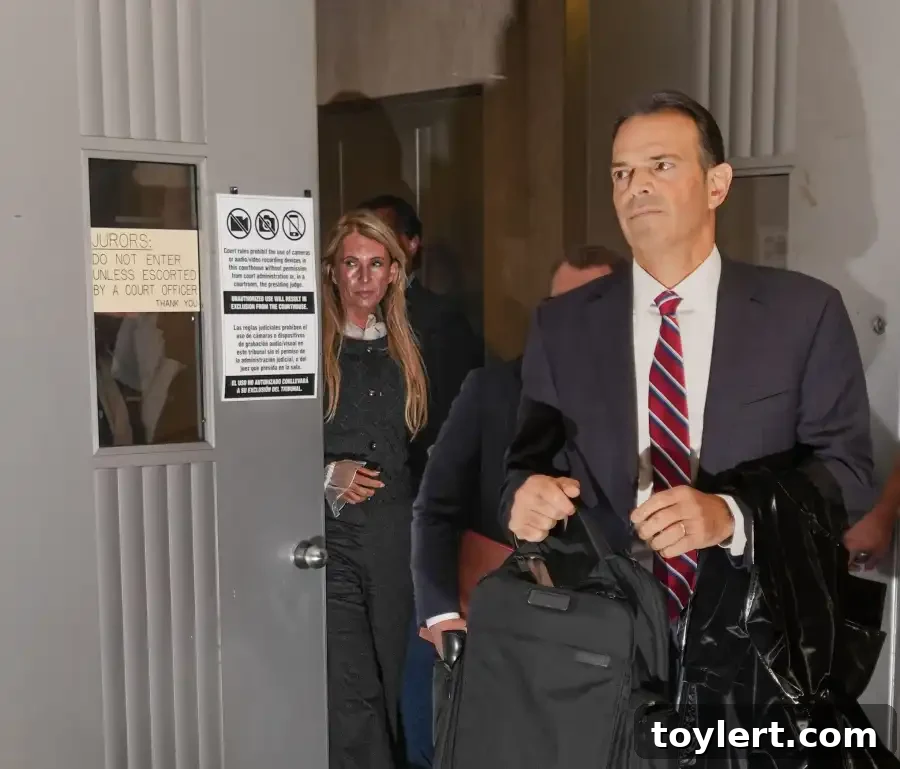
In a significant legal development sending shockwaves through New York City’s political and business spheres, Tony and Gina Argento, the influential sibling owners of the prominent Greenpoint-based production powerhouse Broadway Stages, have been formally charged with bribery and conspiracy. These serious allegations claim the duo attempted to unlawfully influence a high-ranking aide to Mayor Eric Adams, all in an effort to obstruct and ultimately derail the critically important, yet controversial, redesign of McGuinness Boulevard in Brooklyn.
Manhattan District Attorney Alvin Bragg announced the indictments on Thursday, revealing that these charges are intrinsically linked to a broader, ongoing investigation. This wider probe has also implicated Ingrid Lewis-Martin, who, during the period of the alleged offenses, served as Mayor Adams’ chief advisor – a pivotal role within the city’s administration. The unfolding scandal shines a harsh light on the intricate relationships and potential abuses of power between major private enterprises and high-level municipal officials, raising profound questions about ethical governance and transparency in New York City.
Unpacking the McGuinness Boulevard Redesign: A Nexus of Safety and Controversy
At the core of this alleged bribery scheme lies the hotly contested redesign of McGuinness Boulevard, a project that has been a focal point of intense community debate and fervent activism in Greenpoint for many years. Originally conceived as a high-speed arterial road and a primary approach to the Pulaski Bridge, McGuinness Boulevard connects directly to the Brooklyn-Queens Expressway, serving as a critical traffic conduit. However, its design, which historically prioritized vehicular throughput above all else, has inadvertently transformed it into an exceptionally dangerous corridor for pedestrians, cyclists, and local residents. It has regrettably earned a grim reputation as one of Brooklyn’s most perilous streets, marked by numerous serious accidents and preventable fatalities.
A Decade of Tireless Community Advocacy for Safer Streets
For more than a decade, a dedicated coalition of local residents, active community boards, and impassioned advocacy groups—most notably “Make McGuinness Safe”—have campaigned tirelessly for comprehensive safety improvements. Their collective efforts gained substantial momentum and public support following a series of tragic incidents, including several fatalities involving vulnerable road users. The community’s unwavering demands have consistently centered on a transformative vision: to convert the boulevard from its current highway-like configuration into a safer, more pedestrian-friendly, and truly livable urban street. Proposed enhancements include the implementation of protected bike lanes, significantly wider sidewalks, designated turning lanes to manage traffic flow, and enhanced crosswalks designed with shorter crossing distances to increase pedestrian safety and accessibility.
The Proposed Changes and Fierce Business Opposition
Under the leadership of the Adams administration, significant progress was indeed made towards realizing these crucial safety upgrades. The Department of Transportation (DOT) unveiled detailed plans that included a reduction in the number of traffic lanes, the introduction of physically protected bike lanes to shield cyclists, and the implementation of various traffic-calming measures specifically engineered to reduce vehicle speeds and dramatically improve safety for pedestrians. While these proposals were enthusiastically welcomed and widely lauded by safety advocates and the majority of local residents, they encountered fierce opposition from a specific segment of local businesses, most prominently Broadway Stages.
Broadway Stages, a colossal film and television production complex boasting extensive facilities across Greenpoint, vocally expressed deep concerns that the proposed lane reductions and traffic modifications would severely impede their daily operations. Their central argument posited that these changes would create insurmountable logistical challenges for their large production trucks, heavy equipment, and extensive film crews, making it exceedingly difficult to navigate the area efficiently. Such disruptions, they contended, could potentially jeopardize their ability to conduct business effectively and maintain their competitive edge within New New York City’s burgeoning and highly competitive film industry. This fundamental conflict, pitting the imperative of public safety against perceived business logistics, forms the critical backdrop to the alleged bribery scheme and the ensuing legal drama.
The Gravamen of the Indictment: Bribery and Conspiracy to Subvert Public Interest
According to the detailed findings presented by the Manhattan District Attorney’s office, Tony and Gina Argento allegedly sought to exert illicit and undue influence over the city’s official decision-making processes concerning the vital McGuinness Boulevard redesign project. The charges precisely detail an alleged conspiracy to offer a bribe to Ingrid Lewis-Martin, a figure of immense influence within Mayor Adams’ closest circle, highlighting a blatant attempt to circumvent legitimate governmental procedures for private gain.
Broadway Stages’ Alleged Motivations: Protecting Business Interests
The indictment strongly suggests that the Argentos, driven by their significant concerns over the potential operational disruptions and financial implications that the redesign might impose, offered illegal inducements to Lewis-Martin. Their primary objective, as meticulously laid out by the prosecution, was to ensure that the DOT’s comprehensive plans for McGuinness Boulevard were either substantially altered to align with Broadway Stages’ specific preferences or, ideally, completely abandoned. This alleged conduct, according to prosecutors, clearly demonstrates a willingness to bypass established democratic processes, disregard extensive public input, and undermine the common good through illicit and unethical means, prioritizing corporate convenience over community safety.
Ingrid Lewis-Martin’s Alleged Complicity: Abusing Public Trust
Ingrid Lewis-Martin’s alleged involvement is particularly alarming and troubling, given her exceptionally close proximity to the Mayor and her incredibly senior and influential role within city government. As the Mayor’s chief advisor, her authority and influence over critical policy decisions and key personnel appointments were undeniably substantial. The charges leveled against her, which form part of a larger and ongoing set of indictments, strongly suggest that she leveraged her powerful position and public trust to improperly benefit the Argentos in exchange for illegal payments or undisclosed favors. The precise nature of the alleged bribe – whether it involved direct financial transactions, in-kind considerations, or a complex combination thereof – remains central to the prosecution’s robust case and starkly illuminates the potential for high-level corruption to fundamentally derail projects designed for the public interest.
It is important to note that this case is not the first instance where Lewis-Martin has faced intense scrutiny for her conduct. Her previous indictment, explicitly referenced in the initial report, indicates a concerning pattern of alleged misconduct that raises grave questions about ethical standards and accountability within the very highest echelons of the city administration. The current charges against her add yet another complex layer to her mounting legal challenges and contribute significantly to a broader narrative concerning accountability, ethics, and integrity in New York City government, demanding thorough investigation and transparent resolution.
The Repercussions: Impact on Mayor Adams’ Administration and Public Confidence
The indictment of a key top aide, coupled with serious allegations involving prominent business figures, presents a profound and significant challenge to Mayor Eric Adams and the integrity of his nascent administration. Mayor Adams, who ascended to office on a formidable platform promising to restore public trust in government and champion ethical leadership, now faces a formidable test. This burgeoning scandal, unless meticulously handled with utmost transparency and accountability, threatens to deeply erode public confidence and raise uncomfortable questions about the integrity and ethical conduct of his closest team members.
Broader Implications for Governance and Urban Development
This high-profile case undeniably underscores the persistent and pervasive challenge of political influence and potential corruption within a metropolis as vast, complex, and economically diverse as New York City. It compels a critical and introspective examination of how crucial decisions are genuinely made concerning urban planning, vital infrastructure projects, and the delicate balance that must be struck between powerful business interests and fundamental community needs. When allegations of bribery and illicit influence surface, they inevitably cast a long and pervasive shadow over every governmental decision, suggesting that outcomes might be swayed by clandestine means and private agendas rather than through transparent deliberation, rigorous public input, and a genuine commitment to the common good. This fundamentally undermines the democratic process and erodes the very foundation of public trust.
The Mayor’s Response and the Future Outlook for NYC
While Mayor Adams himself has not been implicated in this specific bribery scheme, the direct involvement of his chief advisor inevitably draws his administration into the heart of this unfolding controversy. The public will undoubtedly be watching with intense scrutiny to see how the Mayor decisively addresses these grave allegations, what concrete steps are implemented to ensure swift and unequivocal accountability, and how the city fundamentally reaffirms its unwavering commitment to transparency, ethical governance, and the rule of law. The ultimate resolution of this pivotal case will, without question, have lasting and significant implications for his tenure in office and for the broader public perception of his administration’s integrity and ability to govern justly.
The Legal Journey Ahead: Unraveling a Complex Case
The formal charges brought against Tony and Gina Argento, alongside those against Ingrid Lewis-Martin, signify the commencement of what is widely anticipated to be a complex, protracted, and intensely scrutinized legal battle. Both bribery and conspiracy are classified as serious felony offenses under New York State law, carrying potentially substantial penalties upon conviction, including significant prison time and hefty fines, reflecting the gravity of undermining public institutions.
The Prosecution’s Strategy: Building a Case for Justice
The Manhattan District Attorney’s office, under the leadership of Alvin Bragg, will be tasked with the formidable responsibility of presenting compelling and irrefutable evidence to demonstrate that the Argentos intentionally offered a bribe with the explicit intent to influence Lewis-Martin’s official actions, and that Lewis-Martin knowingly accepted or actively solicited such a bribe. The conspiracy charge, furthermore, inherently implies a deliberate agreement between two or more parties to commit an unlawful act. Prosecutors will likely rely on a diverse array of evidence, meticulously gathered, which may include electronic communications, detailed financial records, and potentially crucial witness testimonies, all strategically assembled to construct a robust and convincing case.
Defense Strategies: Challenging the Allegations
Conversely, the defendants are fully expected to mount a vigorous and comprehensive defense, likely challenging the veracity and interpretation of the allegations, scrutinizing the nature and context of interactions, and questioning the overall sufficiency and admissibility of the evidence presented by the prosecution. The legal proceedings will encompass a series of critical stages, including initial arraignments, extensive discovery phases where evidence is exchanged, various pre-trial motions, and potentially a lengthy and high-profile trial. Throughout these stages, all parties will be afforded the fundamental opportunity to present their respective arguments, cross-examine witnesses, and introduce their own evidence in the pursuit of justice.
Broader Community and Economic Ramifications
Beyond the immediate legal implications, this case carries substantial ramifications for the vibrant Greenpoint community, which has invested immense effort and advocacy into the realization of the McGuinness Boulevard redesign. The ultimate outcome of this judicial process will not only determine the fate of the individuals involved but could also significantly influence the future trajectory and implementation of the vital safety project itself. Furthermore, the allegations could severely impact Broadway Stages’ reputation, its standing within the highly competitive and interconnected film production industry, which often relies heavily on maintaining positive relationships with both local governments and the communities in which they operate, and potentially its long-term economic viability.
These detailed allegations serve as a stark and sobering reminder of the persistent challenges inherent in maintaining unwavering ethical standards across both governmental and private business interactions within the dynamic landscape of New York City. As the complex legal proceedings inevitably unfold, the public will eagerly seek clarity, demand unequivocal accountability, and ultimately, hope for justice in a case that profoundly touches upon vital issues of urban planning, critical public safety, the integrity of governmental processes, and the fundamental trust between citizens and their leaders.
District Attorney Alvin Bragg’s comprehensive allegations forcefully underscore the paramount importance of upholding the public’s trust and ensuring that critical decisions impacting the safety, quality of life, and overall well-being of all New Yorkers are made exclusively based on merit, transparent processes, and genuine public need, rather than being tainted by undue influence, clandestine negotiations, or illicit financial payments.