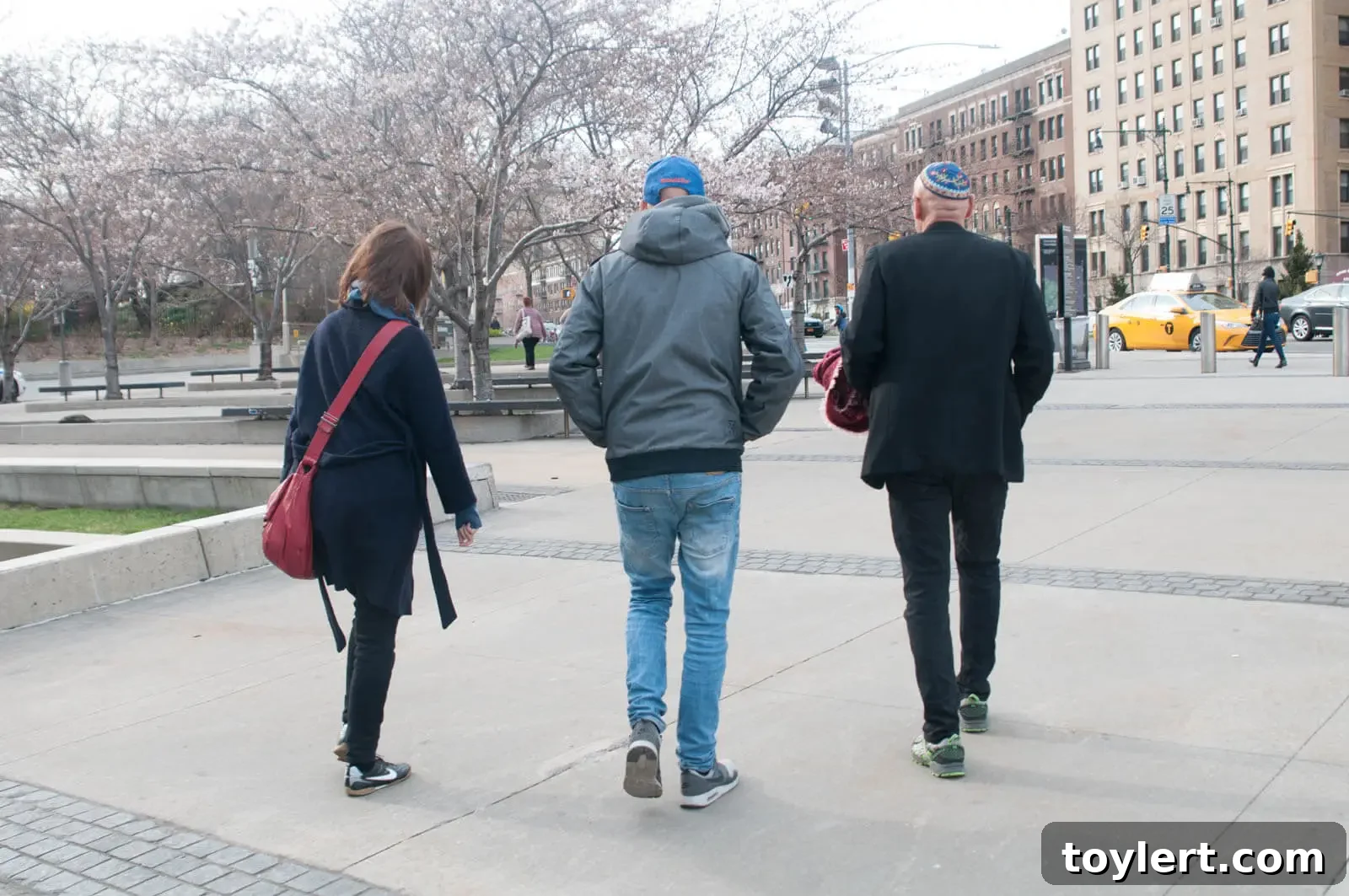
Exploring Brooklyn: A Dynamic Hub of Culture, Politics, and Real Estate
Brooklyn stands as a microcosm of New York City’s vibrant and complex character, a borough continually evolving at the intersection of cultural innovation, political debate, and rapid urban development. Its distinct neighborhoods, rich history, and diverse population make it a focal point for national conversations, local struggles, and everyday urban life. This dynamic landscape is reflected in the myriad of stories that emerge from its streets, ranging from high-stakes political campaigns to transformative real estate deals and the enduring charm of its local businesses.
Brooklyn in the National Spotlight: Politics and Campaigns
In the lead-up to the 2016 presidential primaries, Brooklyn became a crucial battleground, drawing national attention as prominent candidates brought their campaigns to its diverse communities. The borough’s large, engaged, and often politically active population made it an essential stop for hopefuls seeking to connect with voters and gain momentum.
- Hillary Clinton and Bernie Sanders Bring Their Battle to Brooklyn [NYT]: The intense primary contest between Hillary Clinton and Bernie Sanders captivated the nation, and Brooklyn, with its mix of working-class roots, progressive activism, and burgeoning young professional population, served as a symbolic and strategic backdrop. Both candidates held rallies and events across the borough, emphasizing their platforms on issues ranging from economic inequality to social justice, knowing that Brooklyn’s diverse electorate could sway crucial primary votes. Their presence underscored the borough’s significant role in the broader political narrative of New York and the United States, highlighting the varied political ideologies that thrive within its borders.
Cultural Canvas: Arts, Identity, and Expression in Brooklyn
Beyond politics, Brooklyn thrives as a vibrant hub for arts and culture, constantly pushing boundaries and fostering creative expression. Its institutions and independent artists alike contribute to a rich tapestry that reflects the borough’s unique identity.
- Brooklyn Museum Puts Artwork From Its Critics on Display [NYT]: The Brooklyn Museum, a cornerstone of the borough’s cultural scene, once engaged in a fascinating dialogue by showcasing artwork created by its own critics. This innovative approach not only offered a rare glimpse into the creative minds behind critical commentary but also challenged the traditional roles of artist and critic, fostering a more inclusive and self-reflective artistic conversation. It highlighted the museum’s commitment to engaging with its audience and the broader art world in novel and thought-provoking ways, underscoring Brooklyn’s reputation as a place where artistic norms are continually questioned and redefined. This bold exhibition strategy reflected the borough’s spirit of introspection and openness to diverse perspectives within the art community.
Neighborhood Charms and Modern Living: Lifestyle in Brooklyn
Brooklyn’s distinct neighborhoods each offer a unique blend of history, community, and contemporary lifestyle. From quaint shopping streets to innovative living solutions, the borough continually adapts to the needs and desires of its residents.
Boerum Hill’s Curated Style
- In Boerum Hill, a Charming One-Stop Shop for Stylish Men [NYT]: Boerum Hill, known for its tree-lined streets and historic brownstones, is also a destination for curated retail experiences. The emergence of specialized boutiques catering to discerning tastes, such as a “charming one-stop shop for stylish men,” exemplifies Brooklyn’s evolution into a fashion-forward locale. These establishments don’t just sell products; they offer an experience, reflecting the borough’s emphasis on quality, craftsmanship, and individuality. Such shops contribute to the unique character and appeal of Brooklyn’s streetscapes, drawing shoppers who seek something beyond mainstream retail and reinforcing the borough’s reputation for artisanal goods and unique finds.
Navigating Urban Living: Space and Affordability
- New Yorkers Living Large in Teeny Apartments in Bed Stuy and Beyond [NYP]: The reality of living in New York City often involves making the most of compact spaces. In neighborhoods like Bed-Stuy, Williamsburg, and across Brooklyn, residents have embraced the concept of “living large in teeny apartments,” demonstrating remarkable creativity and adaptability. This trend highlights both the persistent challenge of housing affordability and the ingenuity of New Yorkers in transforming small spaces into functional, stylish homes. It speaks to a broader urban phenomenon where residents prioritize location, community, and access to city amenities over sprawling square footage, fostering a culture of efficient, minimalist, and deeply connected living within the bustling metropolis.
Brooklyn’s Evolving Skyline: Real Estate, Development, and Community Impact
The real estate market in Brooklyn remains one of the most dynamic and closely watched sectors in New York City. Large-scale transactions and ongoing development projects are constantly reshaping the borough’s landscape, bringing both economic opportunities and significant community discussions about growth, affordability, and preservation.
Major Development Projects and Investments
- Flank Pays $21.6 Million for ‘Burg Sites, Including Aurora [WSJ]: Significant land deals, such as Flank’s acquisition of properties in Williamsburg (affectionately known as ‘Burg), including the Aurora site, underscore the relentless investor confidence in Brooklyn’s growth. These multi-million dollar transactions are not merely financial headlines; they represent future residential, commercial, or mixed-use projects that will further transform key neighborhoods. Williamsburg, already a vibrant hub for culture, nightlife, and innovation, continues to attract substantial investment, driving both economic growth and ongoing conversations about gentrification and its multifaceted effects on long-time residents and the urban fabric.
- Yoel Goldman Pays $72 Million for Latest Rheingold Brewery Parcel [TRD]: The sale of parcels within the former Rheingold Brewery site in Bushwick/East Williamsburg for tens of millions of dollars highlights the immense scale of development taking place in Brooklyn. The Rheingold site, a historic industrial landmark, has been reimagined as a massive residential complex designed to accommodate thousands of new residents. These transactions are pivotal, bringing new housing units to the area and significantly altering the demographic and economic fabric of these rapidly changing neighborhoods. Such large-scale developments often spark crucial debates about affordable housing provisions, the strain on existing infrastructure, and the preservation of community character amidst rapid urbanization.
Community Activism and Developer Accountability
- Protesters Call On East New York Pol to Return Developer Donations [DNA]: The rapid pace of development in Brooklyn, while bringing new housing and investment, often leads to significant community concerns. In East New York, a neighborhood undergoing substantial rezoning and development, protests emerged calling on local politicians to return developer donations. This reflects a broader tension between development interests and community preservation, particularly regarding issues of affordable housing, potential displacement of long-term residents, and the perceived influence of money in local politics. These acts of activism are crucial in ensuring that development proceeds with meaningful community input and accountability, striving for equitable growth that benefits all residents, not just a select few.
Navigating the Brooklyn Housing Market: Open Houses and Trends
For prospective buyers and renters, Brooklyn’s housing market is a landscape of diverse opportunities and complex trends. From charming brownstones to modern condos, the borough offers a range of options, each reflecting different price points and neighborhood characteristics.
- Starting at $435K, Four Open Houses to See This Weekend: Even with rising prices, opportunities exist for various budgets within Brooklyn’s expansive real estate market. Listings “starting at $435K” for properties in diverse neighborhoods like Bed-Stuy, Williamsburg, and Flatlands highlight the broad spectrum of options available. These open house opportunities are vital for buyers to gauge current market conditions, explore different communities firsthand, and understand the diverse architectural styles and amenities available throughout the borough, from historic homes to contemporary developments.
- Open House Picks Six Months Later: None Sold Yet, One in Contract: Monitoring the fate of properties after initial open houses offers critical insights into market liquidity and buyer sentiment. The observation that “none sold yet, one in contract” among a selection of properties in areas like Fort Greene, Midwood, and Crown Heights suggests a nuanced and sometimes challenging market. It could indicate careful buyer consideration, strategic pricing adjustments by sellers, or fluctuations in demand for certain property types or locations. This ongoing tracking provides a realistic view of how properties move through the sales cycle in different Brooklyn submarkets, offering valuable lessons for both buyers and sellers.
Beyond the City: Upstate Escapes
While Brooklyn offers an unparalleled urban experience, many residents also seek respite in nature. The desire for a quick escape from the city bustle often leads New Yorkers to the picturesque landscapes of Upstate New York, highlighting a balanced lifestyle that values both urban vibrancy and natural tranquility.
- 5 Crazy-Cute Cottages to Rent Upstate This Summer: The popularity of summer rentals Upstate reflects a common New Yorker’s desire to temporarily trade cityscapes for serene natural settings. These “crazy-cute cottages” offer a glimpse into a lifestyle that complements intense city living, providing retreats for relaxation, outdoor activities, and a change of pace. It’s a testament to the fact that even the most dedicated urban dwellers appreciate the beauty and peace of the countryside, seeking balance between their vibrant city lives and moments of calm amidst nature.
Navigating the Metropolis: Understanding NYC’s Transportation Grid
Efficient transportation is the lifeblood of New York City, and its subway system is legendary. Understanding its intricacies is crucial for millions of daily commuters and visitors alike, influencing everything from daily routines to economic productivity.
How frequently do NYC’s subways run? A new map will show you (h/t 6sqft). The introduction of a new map detailing subway and bus frequency offers an invaluable tool for residents and tourists. Such resources enhance urban navigation, empowering commuters to plan their journeys more effectively, minimize waiting times, and potentially alleviate frustration related to service delays. The data presented might reveal surprising patterns or confirm long-held assumptions about specific lines and times, sparking further conversation about the efficiency, reliability, and future of NYC’s sprawling transit network, a system constantly striving to meet the demands of a growing city.
Next Page |
View All Content
Brooklyn continues to be a captivating borough, reflecting the broader narratives of urban America through its politics, culture, real estate, and community activism. It is a place where history meets innovation, where local concerns resonate with national significance, and where the daily lives of millions contribute to an ever-unfolding story of transformation and resilience within one of the world’s most iconic cities.