Transforming Metropolitan Avenue: A New Vision for Williamsburg Living
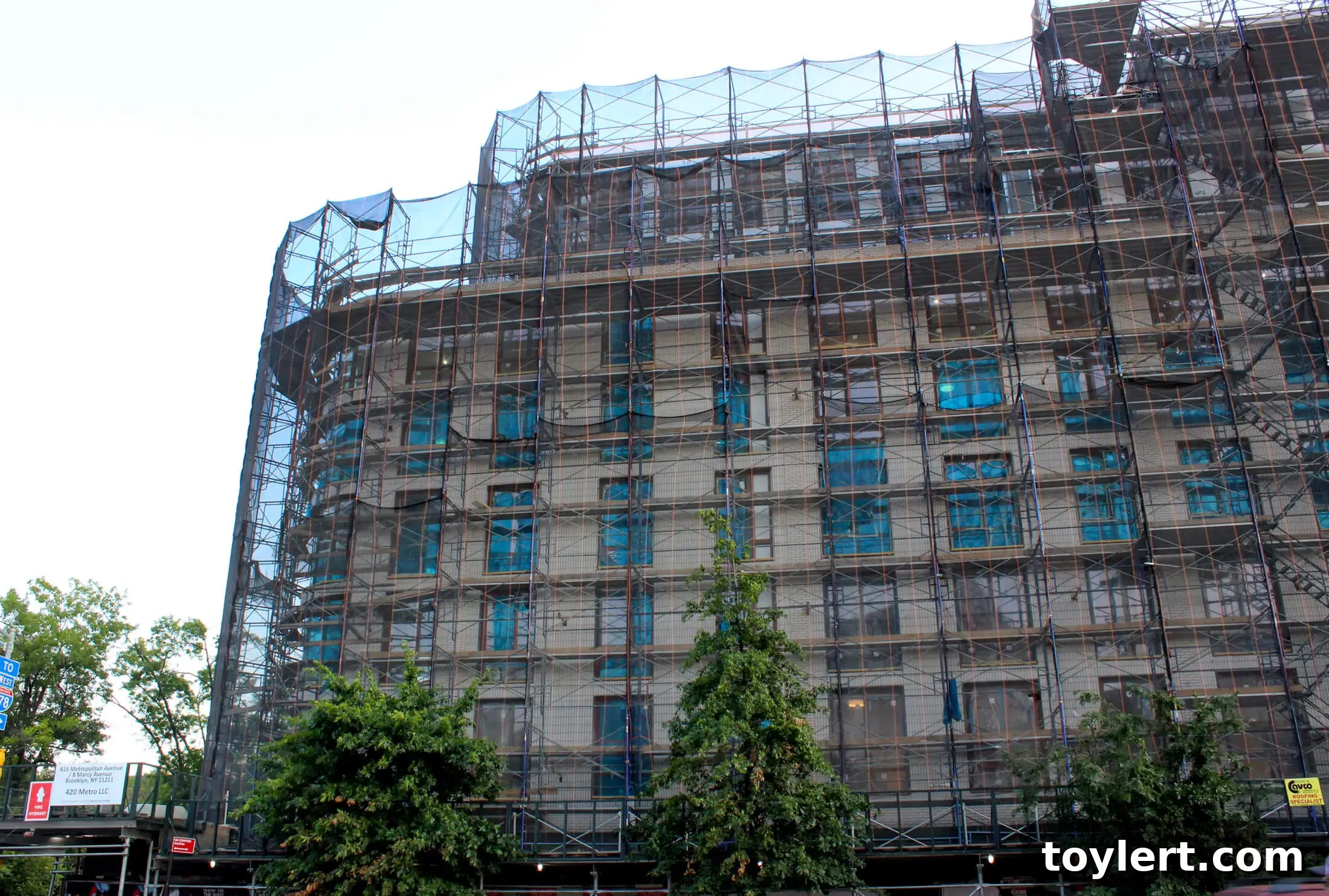
Williamsburg, Brooklyn, a neighborhood synonymous with dynamic transformation, continues its evolution with a significant new development rising at 402-416 Metropolitan Avenue. This ambitious project, an eight-story, 123-unit rental apartment building, is poised to redefine a crucial stretch of Metropolitan Avenue, replacing what was once an incongruous, suburban-style bank surrounded by a vast parking lot. The structure has already topped out, signaling rapid progress, with windows installed and a distinctive brick veneer now gracing the middle residential floors, offering a glimpse into its modern aesthetic and the positive impact it promises for the urban landscape.
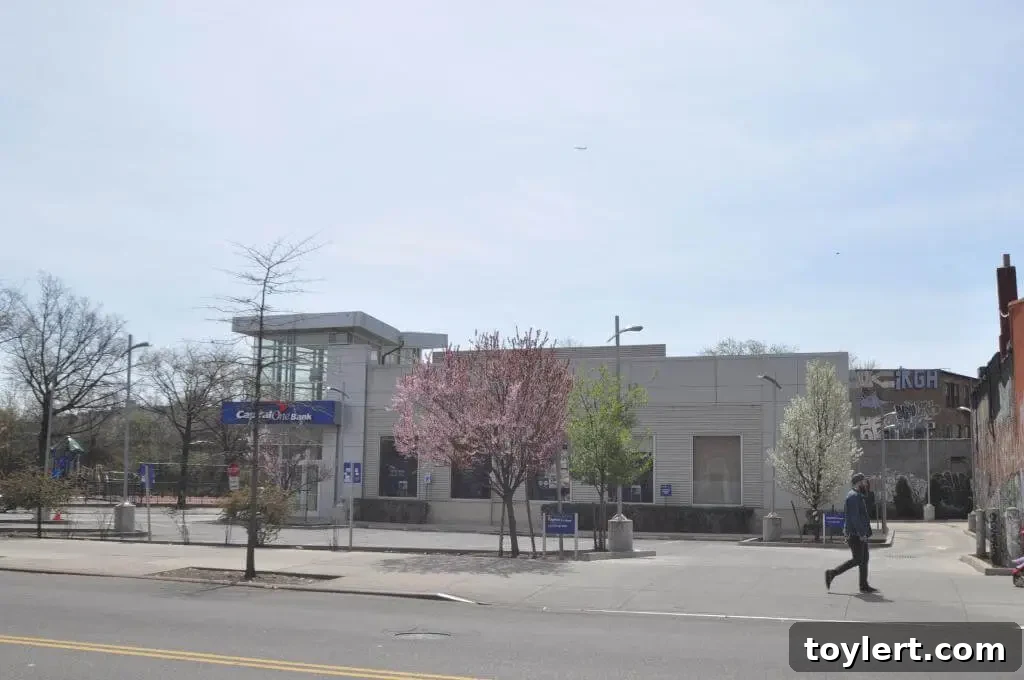
This development represents a compelling example of urban infill, a strategy crucial for sustainable growth in densely populated areas. For years, the site near the bustling BQE entrance on Metropolitan Avenue was characterized by a low-slung CapitalOne bank, a relic of car-centric planning that felt profoundly out of place amidst Williamsburg’s vibrant, pedestrian-oriented fabric. Its expansive parking lot not only underutilized valuable land but also created a significant void in the streetscape, disrupting walkability and diminishing the neighborhood’s urban continuity. The new building, however, heralds a return to efficient land use and a more integrated urban experience, knitting together previously disjointed elements of the avenue.
Architectural Vision and Materiality: Blending Modernity with Context
A recent observation of the ongoing construction reveals careful attention to architectural detail and material selection. The building’s facade features a striking thin gray brick, immediately evoking the timeless, mid-century modern designs pioneered by Heath Ceramics in the 1960s. This choice of material, with its understated elegance and subtle texture, provides a sophisticated contemporary feel while hinting at a classic sensibility. The bricks are predominantly stacked vertically, a design choice that not only adds visual height and slenderness to the structure but also introduces a unique rhythm to the facade. This verticality is thoughtfully punctuated by occasional stripes of horizontal running bond brick, creating a dynamic interplay of patterns and textures that prevent the large structure from appearing monolithic.
This meticulous brickwork is more than just an aesthetic decision; it’s a testament to thoughtful urban design. The interplay of vertical and horizontal elements provides visual interest and breaks down the building’s mass, allowing it to integrate more gracefully into its surroundings despite its considerable scale. The installation of windows throughout the structure further enhances its appeal, promising abundant natural light for future residents while contributing to a lively and active street presence. Such design considerations are paramount in ensuring that new developments, while increasing density, also contribute positively to the neighborhood’s visual character and overall quality of life.
Elevating the Streetscape: A Model for Urban Infill
The transformation at 402-416 Metropolitan Avenue stands out as a relatively rare instance where new infill development unequivocally improves upon its predecessor. While the new eight-story building is undeniably more massive than the charming 19th-century row houses that line blocks further down — including the historic home of the Reliquary Museum — its height and form remarkably fit better within the streetscape than the former one-story CapitalOne bank. The previous structure, set back from the street and surrounded by a sea of asphalt, created an urban void that actively detracted from pedestrian life and the cohesive feel of Metropolitan Avenue. It represented a suburban anomaly in a decidedly urban environment.
By bringing an active facade directly to the street edge, the new development contributes to a more vibrant and walkable urban corridor. It reclaims valuable public space previously dedicated to private vehicles, promoting a pedestrian-friendly environment. This strategic placement helps to mend the fractured street fabric, establishing a continuous line of buildings that better define the public realm. The increased density also supports local businesses by bringing more residents into the immediate vicinity, fostering a more robust and dynamic local economy. This is a crucial aspect of responsible urban planning in a thriving neighborhood like Williamsburg, where community and commerce are deeply intertwined.
Addressing Housing Needs in a Dynamic Market
The addition of 123 new rental units is a significant contribution to Williamsburg’s perpetually high-demand housing market. As one of Brooklyn’s most sought-after neighborhoods, Williamsburg continues to attract a diverse population, from young professionals to families, drawn by its unique blend of cultural attractions, dining, nightlife, and convenient access to Manhattan. New housing developments like 402-416 Metropolitan Avenue play a critical role in alleviating some of the pressure on the existing housing stock, offering modern living spaces designed for contemporary urban lifestyles. These units are strategically located near major transportation arteries, including the BQE and various subway lines, providing unparalleled connectivity for residents.
Beyond simply increasing the number of available units, modern rental buildings typically come equipped with a suite of amenities that enhance resident quality of life. While specific details for this building are yet to be fully disclosed, it’s reasonable to expect features common in high-end Williamsburg developments, such as a fitness center, resident lounge, co-working spaces, and perhaps even a rooftop terrace offering panoramic views of the city skyline. Such amenities are no longer luxuries but expected components of competitive urban living, fostering a sense of community within the building itself and providing convenience that extends beyond the individual apartment unit.
Williamsburg’s Ongoing Evolution and Sustainable Urbanism
Williamsburg’s journey from its industrial roots to a vibrant residential and cultural epicenter is a compelling narrative of urban renewal. This development at 402-416 Metropolitan Avenue is a microcosm of that larger story, representing a thoughtful step towards a more sustainable and functional urban environment. By replacing underutilized, car-centric infrastructure with high-density residential housing, the project aligns with contemporary urban planning principles that prioritize pedestrian activity, public transit accessibility, and efficient land use. It showcases how targeted development can not only increase housing supply but also enhance the aesthetic appeal and livability of a neighborhood.
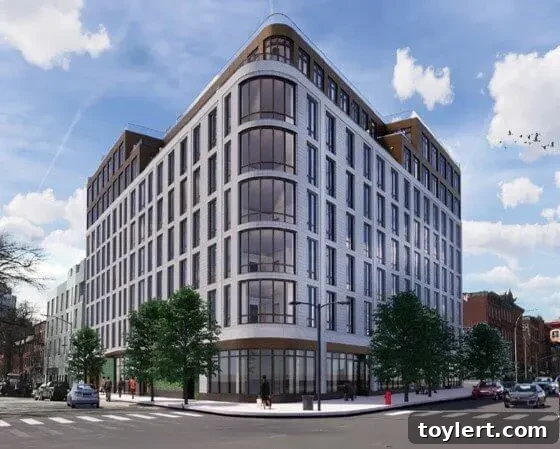
The developers, Olmsted Real Estate, whose rendering provides insight into the final vision, are contributing to a growing trend of transforming post-industrial and suburban-style parcels into dynamic, mixed-use or solely residential hubs. This approach is vital for urban areas facing increasing population pressure and the need to accommodate growth without sprawling outwards. The choice of materials, the consideration for street-level interaction, and the sheer scale of housing provided underscore a commitment to creating valuable, long-lasting assets for the community. This project serves as a beacon for what urban infill can achieve when executed with foresight and a deep understanding of a neighborhood’s evolving needs.
Conclusion: A Brighter Future for Metropolitan Avenue
The construction at 402-416 Metropolitan Avenue is more than just another building; it’s a testament to Williamsburg’s continuous journey of reinvention and a model for responsible urban development. By replacing an outdated, car-centric establishment with a thoughtfully designed, high-density residential complex, this project dramatically improves the streetscape, adds much-needed housing, and enhances the overall urban fabric of one of Brooklyn’s most dynamic neighborhoods. Its sophisticated architectural design, inspired by mid-century modern aesthetics, combined with its strategic location and community-focused approach, marks it as a significant and positive addition to Metropolitan Avenue. As the final details emerge and residents begin to move in, this new edifice will undoubtedly contribute to the vibrant tapestry of Williamsburg living for generations to come, symbolizing a successful blend of modern living and urban revitalization.