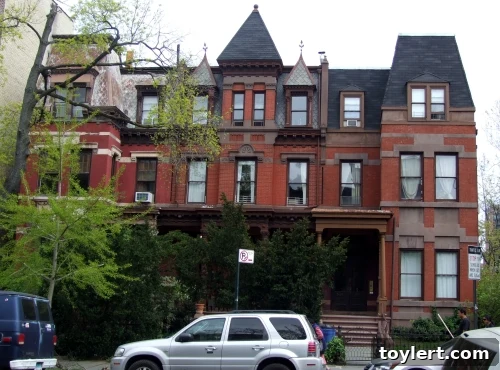
Brooklyn’s Enduring Legacy: The Architectural Grandeur of 301-305 Washington Avenue
Brooklyn, a borough renowned for its vibrant culture and distinct neighborhoods, tells much of its story through its architecture. Among the most iconic and beloved architectural forms are the historic row houses that line its tree-shaded streets. These structures are more than just buildings; they are enduring symbols of the borough’s rich past, its growth, and its continuous evolution. Today, we turn our gaze to a remarkable example of this architectural heritage: the stately row houses nestled at 301-305 Washington Avenue.
Washington Avenue, a significant thoroughfare stretching through neighborhoods like Clinton Hill and Fort Greene, serves as a living museum of Brooklyn’s residential development. It showcases a fascinating array of architectural styles, from grand mansions to charming brownstones, each telling a piece of the city’s narrative. The buildings at 301-305 Washington Avenue stand as particularly fine specimens, embodying the elegance and craftsmanship characteristic of a bygone era and representing a cornerstone of Brooklyn’s architectural identity.
The Genesis of Brooklyn Row Houses: A Historic Overview
The proliferation of row houses in Brooklyn began in earnest during the mid to late 19th century, coinciding with the borough’s rapid expansion and industrialization. As Brooklyn transformed from a collection of rural villages into a bustling urban center, there was a growing demand for housing, particularly for the burgeoning middle and upper-middle classes. Row houses offered an efficient and aesthetically pleasing solution, allowing for dense urban living while maintaining a sense of individual grandeur and architectural distinctiveness.
These homes were often built in speculative developments, with blocks of identical or very similar houses constructed by a single developer. However, the uniformity was frequently tempered by elaborate decorative details, varied stoop designs, and diverse materials, ensuring that each streetscape possessed its own unique character. Brownstone, a reddish-brown sandstone, quickly became the material of choice for facades, giving rise to the term “brownstone Brooklyn” – a descriptor that has become synonymous with the borough’s most picturesque and desirable neighborhoods.
Beyond brownstone, other materials such as brick, terra cotta, and limestone were employed, often in combination, to create rich textures and visual interest. Architectural styles prevalent during this period included Neo-Grec, Romanesque Revival, Queen Anne, and Italianate, each contributing distinct motifs and embellishments to the urban fabric. The row house model fostered a close-knit community feel, with residents sharing common party walls but maintaining individual private residences and stoops that served as semi-public gathering spaces.
Washington Avenue: A Boulevard of Architectural Distinction
Washington Avenue holds a unique place in Brooklyn’s history. Originally conceived as a grand avenue, it was designed to connect various parts of the borough, lined with elegant homes and institutions. Its strategic location, bridging the established wealth of Clinton Hill with the vibrant cultural landscape of Fort Greene, ensured its development into a prestigious residential street. Today, walking along Washington Avenue reveals a captivating blend of architectural eras, from stately Victorian mansions to modern apartment complexes, all coexisting in a dynamic urban environment.
The avenue has witnessed significant changes over the decades, yet its core identity as a street of architectural significance has remained intact. It has been home to prominent families, artists, and professionals, each leaving their mark on its storied properties. The commitment to preserving its historical character, alongside judicious modernization, ensures that Washington Avenue continues to be one of Brooklyn’s most sought-after and visually appealing addresses.
A Closer Look at 301-305 Washington Avenue: Exemplifying Brownstone Grandeur
The row houses at 301-305 Washington Avenue are quintessential examples of late 19th-century Brooklyn architecture, likely constructed during the borough’s peak building boom. These magnificent residences almost certainly boast facades crafted from the iconic brownstone, celebrated for its rich, earthy tones and ability to be intricately carved. The design would likely adhere to the popular architectural styles of the era, such as Neo-Grec or Romanesque Revival, characterized by their robust forms and classical details.
Imagine grand stoops, rising elegantly to the main entrance, perhaps flanked by decorative newel posts and wrought-iron railings featuring intricate scrollwork. The front doors themselves would be imposing, likely made of solid wood, possibly adorned with carved panels and elaborate brass hardware, framed by decorative surrounds and perhaps an ornate transom window above. The original fenestration would feature tall, often narrow windows, deeply set within the facade, providing a sense of solidity and privacy. These windows would likely be embellished with carved lintels and sills, adding further decorative interest.
The buildings’ upper floors might reveal projecting bay windows, a common feature designed to enhance natural light and offer expansive views of the tree-lined street. These bays often feature their own decorative cornices and pilasters, adding depth and three-dimensionality to the facade. Crowning the structure, a substantial cornice—possibly made of metal, terra cotta, or elaborately carved wood—would extend beyond the building line, showcasing intricate patterns and providing a distinguished finish. This cornice would not only serve an aesthetic purpose but also historically helped to protect the facade from weather elements.
Internally, such homes would have been designed for lavish living. High ceilings, intricate plasterwork, decorative fireplaces with marble mantels, pocket doors, and grand staircases would have been standard features. These elements speak to the affluence and tastes of the original inhabitants, who sought homes that reflected their status and provided ample space for both family life and entertaining. While specific details for 301-305 Washington Avenue are subject to individual historical records, these general characteristics provide a strong sense of the architectural language spoken by these types of Brooklyn row houses.
The Enduring Allure of Historic Brooklyn Homes Today
In the contemporary urban landscape, historic row houses like those on Washington Avenue continue to command immense appeal. Their inherent charm, robust construction, and unique architectural details stand in stark contrast to the often-homogenized designs of modern developments. For many, owning a brownstone or a historic brick row house in Brooklyn is not just about acquiring property; it’s about investing in a piece of history and becoming a steward of an architectural legacy.
Living in these homes offers a distinctive lifestyle. The proximity to neighbors, the shared experience of caring for a historic property, and the vibrant street life contribute to a strong sense of community that is often elusive in more sprawling suburban or high-rise environments. Furthermore, the inherent character and layout of these homes provide ample opportunities for creative renovation, allowing modern amenities to be integrated seamlessly with original features, creating truly bespoke living spaces.
However, the allure comes with its own set of responsibilities. Preserving these historic structures requires dedication, a keen eye for detail, and often, significant investment. Homeowners frequently navigate the complexities of landmark preservation guidelines, ensuring that any alterations respect the original design and materials. This commitment to preservation is crucial for maintaining the architectural integrity of neighborhoods like Clinton Hill and Fort Greene, safeguarding them for future generations.
Preservation and the Future of Brooklyn’s Architectural Treasures
The story of 301-305 Washington Avenue, and indeed countless other row houses across Brooklyn, is one of continuous adaptation and preservation. Over the decades, these buildings have faced challenges ranging from neglect and economic downturns to the pressures of modernization. Yet, thanks to the tireless efforts of preservationists, community groups, and dedicated homeowners, many have been lovingly restored and continue to thrive.
Landmark designations play a vital role in protecting these architectural treasures, offering a legal framework that encourages sensitive restoration and prevents inappropriate alterations or demolition. Organizations dedicated to Brooklyn’s architectural heritage work to educate the public, advocate for preservation, and celebrate the unique character of the borough’s built environment.
As Brooklyn continues to evolve, the balance between honoring its past and embracing its future remains a key consideration. The row houses on Washington Avenue exemplify how historical architecture can not only survive but also flourish in a modern urban context. They stand as testaments to timeless design, enduring craftsmanship, and the enduring human desire for beautiful and meaningful places to call home. These buildings are not just structures; they are anchors of identity, silent observers of history, and vibrant participants in Brooklyn’s ongoing narrative.