The John C. Van Glahn House: A Glimpse into Brooklyn’s Architectural Grandeur at 365 Washington Avenue
Exploring Brooklyn, one iconic building at a time, revealing stories etched in stone and history.
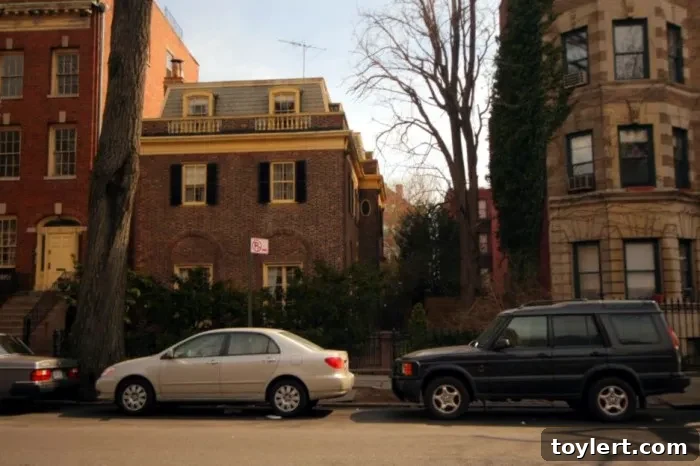
Introduction: Brooklyn’s Enduring Architectural Legacy
Brooklyn stands as a living testament to America’s rich architectural heritage, a borough where every street tells a story, and every brownstone holds a piece of history. Among its countless treasures, the John C. Van Glahn House at 365 Washington Avenue, Brooklyn, NY, stands as a particularly compelling example. This magnificent structure is more than just a building; it is a meticulously preserved artifact from a bygone era, offering a tangible connection to the late 19th-century development boom that shaped much of modern-day Brooklyn.
Nestled within the vibrant and historically rich neighborhood of Prospect Heights, the Van Glahn House exemplifies the distinctive character and sophisticated design prevalent during Brooklyn’s most prosperous period. Its robust architecture and intricate detailing provide invaluable insights into the aesthetic tastes and aspirations of its original inhabitants. As we delve into the story of this landmark, we uncover not only the architectural prowess of its time but also the socio-economic forces that forged Brooklyn into the diverse and dynamic borough we know today.
Architectural Grandeur: A Masterpiece of Victorian-Era Design
The John C. Van Glahn House is a prime illustration of the opulent architectural styles that graced Brooklyn’s most desirable neighborhoods in the late 1800s. While specific records sometimes vary, the building’s robust form, expressive detailing, and use of quality materials strongly suggest it belongs to the Romanesque Revival style, a popular choice for grand residential commissions during that era. Characterized by its monumental scale, rounded arches, intricate stonework, and often asymmetrical compositions, Romanesque Revival buildings exude a sense of permanence and grandeur.
Upon closer inspection, the facade of 365 Washington Avenue immediately captivates with its rich textural variations. Typically, such houses feature a blend of materials, including deep red brick, rough-faced brownstone, or terra cotta, meticulously combined to create a visually dynamic surface. Arched windows, often adorned with decorative transoms and heavy stone sills, punctuate the robust masonry, allowing ample natural light into the expansive interiors. The main entrance, a focal point of many Romanesque Revival designs, would likely be recessed within a deeply carved archway, possibly flanked by ornate columns or pilasters, hinting at the elegance within.
Beyond the primary materials, intricate details would contribute significantly to its charm. These might include:
- Carved Reliefs: Stone panels featuring floral motifs, mythological figures, or geometric patterns.
- Bay Windows: Projecting from the facade, often with decorative cornices and supports, adding depth and allowing for wider views of the avenue.
- Terra Cotta Accents: Used for decorative panels, chimney pots, or even entire friezes, offering a contrast in texture and color.
- Ornate Ironwork: Balconettes, stoop railings, and gates featuring elaborate scrollwork, adding a touch of delicate craftsmanship to the heavy masonry.
- Roofline Features: Steeply pitched roofs, turrets, and decorative gables, contributing to the picturesque quality of the design.
These elements, combined with a thoughtful layout that maximized both street presence and interior comfort, made the Van Glahn House a quintessential example of high-Victorian domestic architecture, reflecting the prosperity and refined tastes of its original owner.
The Man Behind the Name: John C. Van Glahn and His Era
Every historic home is intrinsically linked to the individuals who commissioned and first inhabited it. The John C. Van Glahn House is no exception. While specific biographical details about John C. Van Glahn might require deeper historical archives, the sheer scale and architectural quality of his residence suggest he was a prominent and successful individual in late 19th-century Brooklyn. During this period, Brooklyn was undergoing tremendous economic growth, driven by its bustling port, thriving industries, and burgeoning population. Successful merchants, entrepreneurs, and professionals often sought to express their status and achievements through grand residential statements.
John C. Van Glahn likely belonged to this class of Brooklynites who contributed significantly to the borough’s development. His choice of location on Washington Avenue, a prestigious tree-lined street, further underscores his social standing. These avenues were highly sought after by the affluent, offering proximity to cultural institutions, parks, and easy access to Manhattan via newly developing transit systems. The construction of such a substantial home would have been a significant undertaking, requiring considerable resources and a vision for a long-term family legacy.
The establishment of a home like the Van Glahn House represented not just personal wealth but also a commitment to the community. Such residences were centers of social life, hosting gatherings, and reflecting the cultural values of the period. Understanding John C. Van Glahn’s position in society helps us appreciate the context in which this architectural gem was conceived and built.
Washington Avenue and Prospect Heights: A Historic Context
The location of the John C. Van Glahn House on Washington Avenue places it squarely within one of Brooklyn’s most historically significant and architecturally rich neighborhoods: Prospect Heights. This area, alongside its neighbors like Clinton Hill and Fort Greene, experienced rapid development in the post-Civil War era, transforming from rural farmland into an upscale residential enclave.
Washington Avenue itself is a grand boulevard, historically serving as a key artery connecting various parts of Brooklyn and leading towards Prospect Park, Frederick Law Olmsted and Calvert Vaux’s masterpiece of urban landscape design. The avenue is renowned for its harmonious streetscape, lined with stately brownstones, limestones, and brick row houses, many of which date from the late 19th and early 20th centuries. The architectural integrity of Washington Avenue and its surrounding blocks has been meticulously preserved, largely thanks to the efforts of local residents and the designation of the Prospect Heights Historic District.
The neighborhood’s appeal was multifaceted:
- Proximity to Prospect Park: Offering vast green spaces, recreational opportunities, and a respite from urban life.
- Cultural Institutions: Near the Brooklyn Museum, Brooklyn Botanic Garden, and the Brooklyn Public Library (Grand Army Plaza branch).
- Transportation: Excellent access to train lines, facilitating commutes to Manhattan and other parts of Brooklyn.
- Community Vibrancy: A strong sense of community and a diverse population that has evolved over more than a century.
These factors combined to make Prospect Heights a highly desirable place to live for Brooklyn’s elite, and the Van Glahn House stands as a proud emblem of this prosperous era, contributing significantly to the aesthetic and historical narrative of Washington Avenue.
Preservation and Legacy: Safeguarding Brooklyn’s Architectural Heritage
The continued existence and remarkable condition of the John C. Van Glahn House are a testament to the dedication of preservationists, historians, and appreciative homeowners. In a city constantly evolving, the commitment to maintaining historic structures is crucial for retaining Brooklyn’s unique character and for educating future generations about its past.
Properties like 365 Washington Avenue often benefit from protective measures, such as being included within a designated historic district. These designations, established by the New York City Landmarks Preservation Commission (LPC), ensure that any exterior alterations are carefully reviewed to maintain the building’s historical integrity and its contribution to the streetscape. This oversight helps prevent insensitive renovations that could compromise the original design and aesthetic value.
The legacy of the John C. Van Glahn House extends beyond its physical attributes. It represents:
- Architectural Benchmark: A high-quality example of Victorian-era domestic architecture that informs our understanding of period styles.
- Historical Marker: A tangible link to the lives and times of affluent Brooklynites in the late 19th century.
- Community Identity: A vital component of the historic fabric of Prospect Heights, contributing to its unique charm and desirability.
- Inspiration: A source of inspiration for contemporary designers and preservationists working to integrate historical context into modern urban living.
By studying and appreciating buildings like the Van Glahn House, we gain a deeper understanding of urban development, architectural evolution, and the enduring human desire to create beauty and permanence in the built environment. It serves as a reminder that Brooklyn’s identity is deeply intertwined with its architectural treasures, each building a silent narrator of the borough’s illustrious past.
Conclusion: An Enduring Symbol of Brooklyn’s Past and Present
The John C. Van Glahn House at 365 Washington Avenue is far more than just an old dwelling; it is a vibrant, living piece of Brooklyn’s history. From its imposing Romanesque Revival facade to the imagined lives of its original inhabitants, every aspect of this building tells a compelling story of ambition, elegance, and the relentless march of time. It stands as a proud emblem of Prospect Heights, a neighborhood that has masterfully balanced its rich heritage with the demands of contemporary urban life.
In an ever-changing cityscape, the preservation of structures like the Van Glahn House is paramount. They offer invaluable lessons in architectural craftsmanship, urban planning, and the social history of a borough that continues to captivate residents and visitors alike. As we admire its timeless beauty, we are reminded of the importance of recognizing and safeguarding the architectural gems that contribute so profoundly to the unique character and enduring allure of Brooklyn. The John C. Van Glahn House will undoubtedly continue to inspire and intrigue, standing as a beacon of Brooklyn’s enduring architectural legacy for generations to come.