Brooklyn, one building at a time.
Hancock Street’s Enduring Legacy: Exploring Brooklyn’s Iconic Row Houses
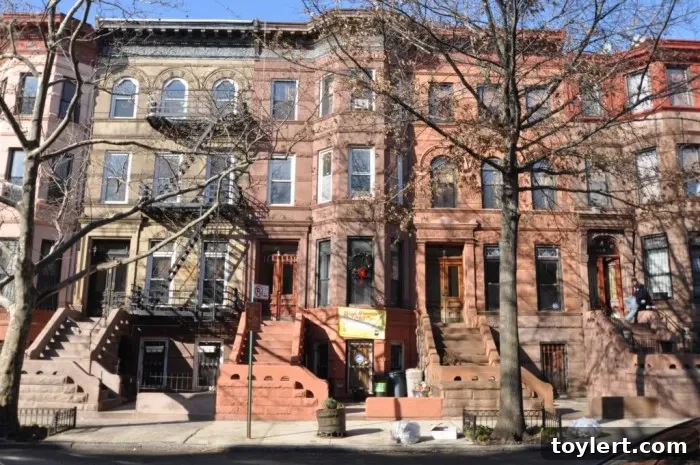
Stepping onto Hancock Street in Brooklyn is like taking a journey back in time. Lined with an impressive array of meticulously preserved row houses, this street offers a captivating glimpse into the borough’s rich architectural heritage. Each building tells a story, contributing to a collective narrative of growth, community, and enduring beauty that defines Brooklyn’s most cherished neighborhoods. These aren’t just houses; they are monuments to an era of craftsmanship and urban development, continually drawing admirers and residents eager to be part of their living history.
For those passionate about history, architecture, or simply the unique charm of New York City, Hancock Street represents a pinnacle of residential design. From the grandeur of their facades to the intimate details of their stoops and cornices, these row houses embody a timeless elegance that continues to inspire. This article delves into the distinctive character of Hancock Street’s row houses, exploring their architectural styles, historical significance, and their integral role in shaping the identity of one of Brooklyn’s most beloved areas.
The Enduring Charm of Brooklyn’s Row Houses
Brooklyn’s architectural landscape is synonymous with its iconic row houses, particularly the distinguished brownstones that dot neighborhoods like Bedford-Stuyvesant (Bed-Stuy), Park Slope, and Clinton Hill. These structures, primarily built between the mid-19th and early 20th centuries, were designed to accommodate the city’s burgeoning middle and upper-middle classes, offering spacious, elegant homes within a rapidly expanding urban environment. Far more than mere residences, they represent a significant chapter in American urban planning and design, blending practicality with artistic expression.
What makes these row houses so captivating? Their appeal lies in a combination of factors. First, their aesthetic uniformity creates a powerful streetscape, where a consistent building line and shared material palettes — most notably the rich, warm hues of brownstone — establish a cohesive and grand visual rhythm. Yet, within this uniformity, each house often boasts unique decorative elements, from intricately carved lintels and cornices to distinctive window treatments and stoop railings, reflecting the individuality of their original owners and builders.
Beyond their visual appeal, Brooklyn’s row houses are celebrated for their solid construction and practical layouts. Typically featuring multiple stories, they were designed to maximize natural light and airflow, often incorporating features like deep parlors, formal dining rooms, and expansive bedrooms. The classic stoop, an elevated entrance characteristic of many brownstones, not only provided a sense of privacy from the street but also served as a semi-public space, fostering a vibrant social interaction among neighbors. This blend of structural integrity, elegant design, and thoughtful functionality contributes to their lasting desirability.
Hancock Street’s Architectural Tapestry
Hancock Street, particularly the stretch highlighted by properties like 409-419, stands as a prime example of Brooklyn’s rich architectural diversity. While often broadly categorized as “brownstones,” a closer look reveals a fascinating array of styles, each reflecting the popular tastes and construction techniques of its time. The houses here predominantly showcase variations of Victorian architecture, including Neo-Grec, Romanesque Revival, and Queen Anne influences, characteristic of late 19th-century speculative building booms.
Neo-Grec Elegance
Many row houses on Hancock Street exhibit the clean lines and classical motifs of the Neo-Grec style, popular in the 1870s and 1880s. Characterized by incised carvings rather than projecting sculptures, these homes often feature flattened classical details, bold cornices with deeply cut triglyphs, and squared-off window hoods. The effect is one of dignified sobriety, lending an air of enduring sophistication to the streetscape.
Romanesque Revival Robustness
As architectural trends evolved, the robust and often monumental Romanesque Revival style, influenced by architect H.H. Richardson, made its mark. While less common than Neo-Grec on some stretches, its presence on Hancock Street can be identified by rough-hewn stone facades, round-arched windows and doorways, and heavy, textured masonry. These houses project a sense of strength and permanence, offering a striking contrast to the more delicate Victorian styles.
Queen Anne Flourish
Towards the end of the 19th century, the Queen Anne style brought a sense of playful asymmetry and rich ornamentation. Although less prevalent for entire row house facades, elements such as turrets, bays, patterned brickwork, and terra cotta panels can be found integrated into the street’s fabric, adding pockets of vibrant detail and eclectic charm. These features contribute to the unique visual rhythm and varied textures along Hancock Street.
The materials themselves are an integral part of this architectural story. While brownstone is iconic, many Hancock Street row houses also incorporate red brick, often paired with limestone or terra cotta trim. The combination of these materials, along with slate or copper roofing and original wrought-iron railings, creates a rich palette that speaks to the craftsmanship of the era. Each building, with its carefully chosen materials and distinctive decorative flourishes – from delicate ironwork on the stoops to elaborate cornices – contributes to the street’s cohesive yet varied aesthetic, making it a living museum of architectural innovation.
A Glimpse into History: The Making of Hancock Street
The development of Hancock Street’s row houses coincides with a transformative period in Brooklyn’s history. During the late 19th and early 20th centuries, Brooklyn transitioned from a collection of independent towns into a thriving urban center, eventually consolidating with New York City in 1898. This era saw a dramatic population boom, fueled by immigration and industrial growth, creating an unprecedented demand for housing.
Speculative builders, recognizing the potential, purchased large tracts of land and employed skilled masons, carpenters, and artisans to construct entire blocks of row houses. These builders often worked from pattern books, adapting popular architectural styles to create visually appealing and marketable homes. The relatively uniform facades of many Hancock Street blocks suggest coordinated development, where a single builder or firm constructed multiple adjacent properties, ensuring a harmonious streetscape.
The residents who first occupied these homes were typically upwardly mobile professionals, merchants, and their families. They were drawn to Brooklyn’s burgeoning cultural institutions, its expanding transit network, and the promise of a more suburban-like tranquility compared to Manhattan’s dense core. These families contributed to the establishment of strong community ties, local businesses, and social institutions that continue to define the neighborhood to this day.
Over the decades, Hancock Street and its surrounding areas experienced various shifts, including periods of decline and subsequent revitalization. The latter half of the 20th century saw many of these grand homes subdivided into apartments, reflecting changing economic realities. However, beginning in the late 20th and continuing into the 21st century, there has been a powerful resurgence of interest in these historic properties. New generations of homeowners, captivated by their history and architectural grandeur, have embarked on extensive restoration projects, breathing new life into these cherished structures and reaffirming their place as cornerstones of Brooklyn’s identity.
The Art of Preservation and Modern Living
Owning a row house on Hancock Street is not merely a matter of real estate; it is an act of stewardship. Preservation plays a critical role in maintaining the integrity and character of these historic homes. Many of the houses fall within historic districts, meaning exterior renovations must adhere to strict guidelines set by the Landmarks Preservation Commission, ensuring that original architectural details are retained or meticulously recreated.
The restoration process for a historic brownstone can be a labor of love, often requiring specialized skills and a deep appreciation for historical accuracy. From repointing original brickwork and repairing intricate cornices to restoring original window sashes and wood details, homeowners often seek out artisans versed in traditional building techniques. Inside, the challenge lies in seamlessly integrating modern amenities – updated plumbing, electrical systems, and HVAC – without compromising the historical fabric of the interior. High ceilings, original fireplace mantels, plaster moldings, and hardwood floors are often carefully restored to their former glory, blending the charm of the past with the comforts of contemporary living.
This commitment to preservation is not just individual; it’s a community effort. Local historical societies and neighborhood associations play a vital role in advocating for the protection of these architectural treasures, educating residents, and fostering a shared sense of responsibility. This collective dedication ensures that Hancock Street remains a vibrant example of urban heritage, where the past is not just remembered but actively lived in and cherished by its residents.
Investing in History: Real Estate on Hancock Street
The enduring appeal of Hancock Street’s row houses translates directly into their significant value in today’s real estate market. These properties are highly sought after by buyers looking for more than just a house; they are seeking a piece of Brooklyn’s history, a connection to a vibrant community, and a home with unparalleled character.
Several factors contribute to the high demand and robust property values on Hancock Street:
- Architectural Significance: The unique beauty and historical integrity of these homes are unmatched.
- Prime Location: Hancock Street benefits from its position within a desirable Brooklyn neighborhood, offering excellent access to public transportation, parks, diverse dining options, and cultural institutions.
- Community Appeal: The street is part of a strong, active community known for its tree-lined blocks, local businesses, and neighborly spirit.
- Scarcity: Historic row houses represent a finite and irreplaceable asset in a constantly evolving city.
- Investment Value: These homes tend to retain and appreciate in value, making them a sound long-term investment.
While purchasing a row house on Hancock Street represents a substantial investment, it offers a unique opportunity to own a piece of living history. It’s an investment not only in real estate but also in a lifestyle that values architectural beauty, community engagement, and the rich tapestry of Brooklyn’s past and present.
Conclusion: A Timeless Brooklyn Gem
Hancock Street’s row houses stand as a testament to Brooklyn’s enduring architectural legacy. From their meticulously crafted facades and diverse historical styles to their rich narratives of urban development and community spirit, these homes are more than just buildings; they are cherished landmarks that define an entire borough. They offer a unique blend of historical grandeur and modern living, attracting those who appreciate the artistry of the past and the vibrancy of a contemporary Brooklyn.
In an ever-changing city, the row houses of Hancock Street provide a constant, elegant reminder of the craftsmanship, vision, and community that have shaped Brooklyn into the iconic place it is today. They invite us to slow down, admire the details, and appreciate the layers of history embedded in every stoop and cornice. As Brooklyn continues to evolve, the timeless charm of Hancock Street will undoubtedly remain a beacon for architectural enthusiasts and a beloved home for generations to come, truly embodying the spirit of “Brooklyn, one building at a time.”