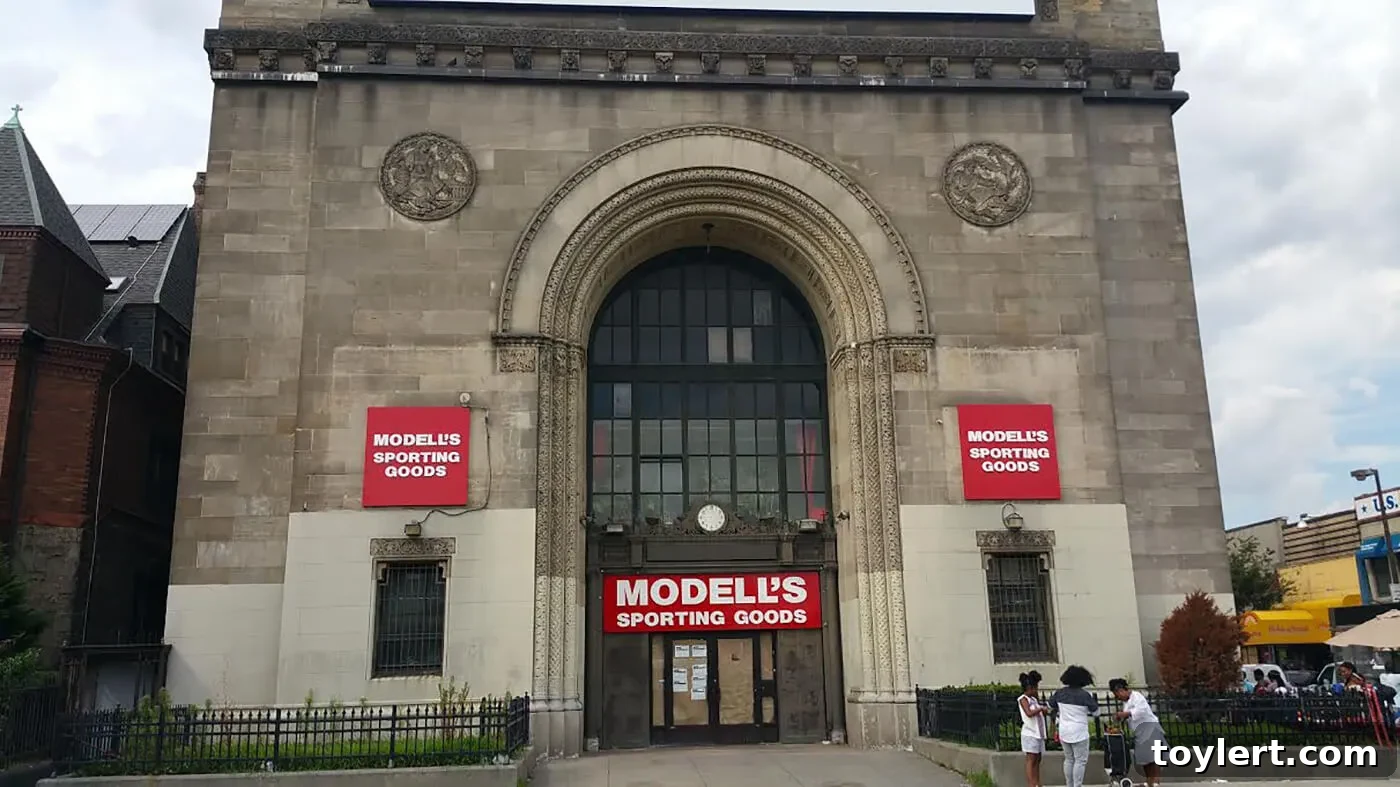
Modell’s Sporting Goods to Open in Historic Art Deco Landmark on Crown Heights North’s Eastern Parkway
A true architectural marvel in Crown Heights North, Brooklyn, located at 1117 Eastern Parkway, is set to embark on an exciting new chapter. This captivating Art Deco building, which most recently housed a Popular Community Bank branch, is preparing to welcome Modell’s Sporting Goods, a cornerstone of New York retail for generations. This significant transformation not only brings a major retailer to a prominent urban corridor but also highlights the enduring legacy of a building steeped in Brooklyn’s rich architectural history.
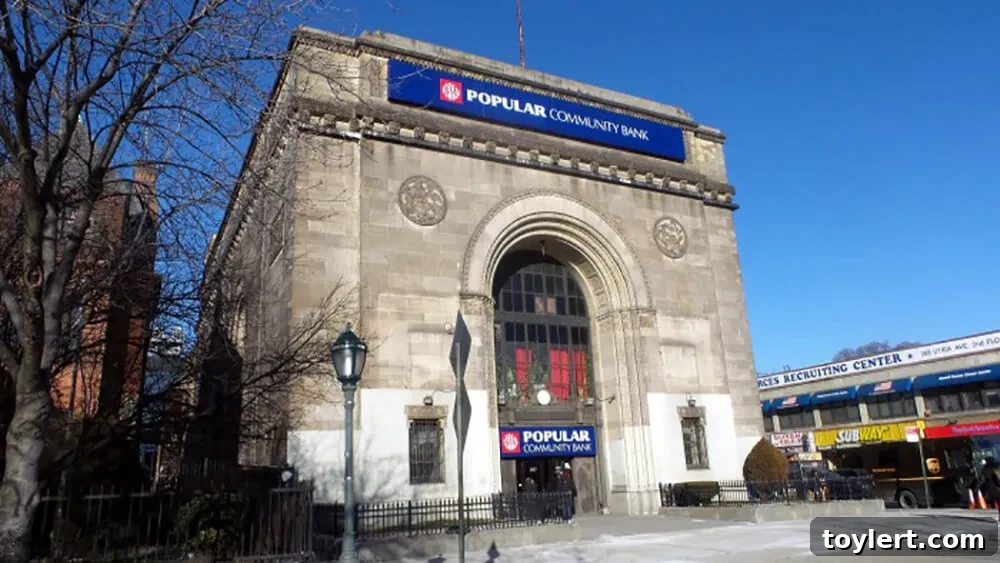
A Glimpse into the Past: The East New York Savings Bank’s Enduring Legacy
The building’s imminent rebirth is visibly underway, with Modell’s iconic signage already installed above its main entrance and front windows, signaling its forthcoming grand opening. Erected in 1929 by the renowned architectural firm Holmes & Winslow, this edifice was originally commissioned as the home for the East New York Savings Bank. Curiously, its original name often led to geographical misconceptions, as the bank’s physical location was always firmly within Crown Heights, not the East New York neighborhood referenced in its title. Despite this historical quirk, the building’s exceptional architectural significance has been widely acknowledged, culminating in its official designation as a landmark in March. Throughout its nearly 95-year history, the structure has undergone various alterations, yet it remarkably retains much of its original, intricate Art Deco detailing, serving as a magnificent example of early 20th-century design and construction.
Holmes & Winslow: Crafting a Modern Icon in 1929
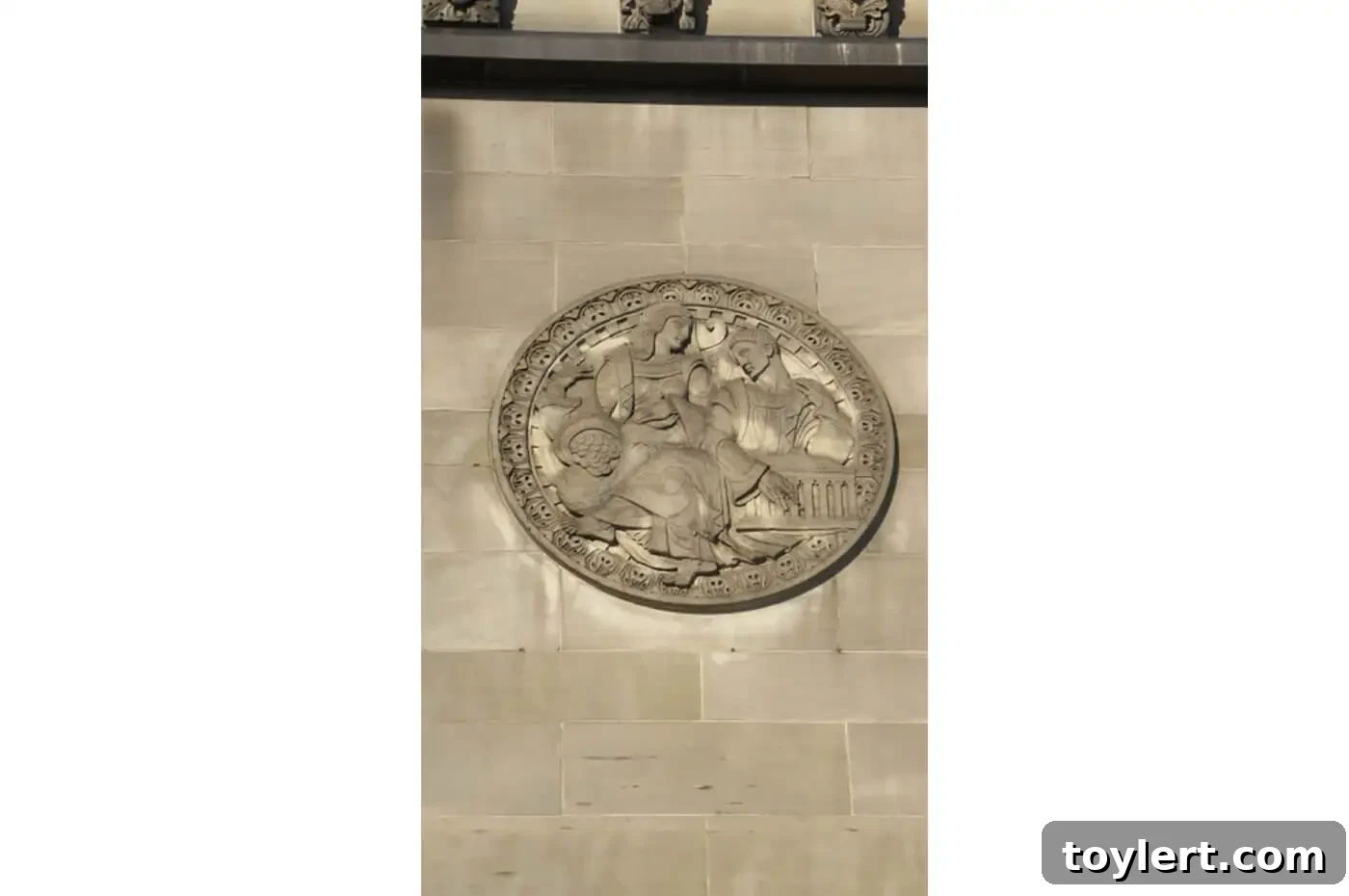
The year 1929, an era defined by economic exuberance and burgeoning modernity, saw the completion of this architectural gem. Holmes & Winslow, a prominent architectural partnership of the period, envisioned a building that would embody stability, sophistication, and a forward-looking spirit – essential attributes for a financial institution on a major thoroughfare. Art Deco, an architectural style characterized by its geometric precision, lavish ornamentation, and streamlined forms, was then at its stylistic peak. The building at 1117 Eastern Parkway exemplifies this style through its carefully sculpted stone facade, intricate decorative elements, and an overall sense of grandeur designed to inspire public trust and confidence. The original design likely incorporated high-quality materials such as polished granite or limestone, gleaming bronze accents, and perhaps symbolic reliefs depicting themes of prosperity, industry, or progress, encapsulating the optimistic ethos prevalent before the onset of the Great Depression.
This landmark status not only acknowledges the building’s aesthetic and historical value but also provides crucial protection against unsympathetic alterations, ensuring its unique character is preserved for future generations. The meticulous craftsmanship evident in every detail, from the window surrounds to the cornices, tells a story of an era when civic and commercial architecture aimed to inspire and uplift, making it a cherished piece of Brooklyn’s built heritage.
Modell’s Strategic Shift: From Barclays Center to a New Brooklyn Hub
Modell’s Sporting Goods possesses a long and storied history of anchoring prominent retail locations across Brooklyn. For many years, the retailer enjoyed a highly visible and bustling presence on Atlantic Avenue, strategically positioned in the immediate vicinity of the Barclays Center. However, that key flagship store was ultimately acquired through the process of eminent domain to facilitate the expansive Atlantic Yards/Pacific Park development, necessitating a relocation for the beloved chain. The upcoming move to 1117 Eastern Parkway represents another remarkably strategic decision for Modell’s. This new Crown Heights location promises equally significant visibility and accessibility, situated along one of Brooklyn’s most historically significant and heavily trafficked boulevards. This geographical shift powerfully reinforces Modell’s enduring commitment to maintaining a robust retail footprint within vital urban centers, deftly adapting to the evolving urban fabric while steadfastly continuing to serve its expansive and loyal customer base across the borough.
Eastern Parkway: A Boulevard of History and Commerce
Eastern Parkway is far more than a mere thoroughfare; it stands as a testament to pioneering urban planning. This meticulously designed, tree-lined boulevard was famously conceived by Frederick Law Olmsted and Calvert Vaux, the visionary landscape architects renowned for their work on Central Park. Envisioned as America’s inaugural parkway, its original purpose was to serve as a grand promenade, seamlessly connecting Prospect Park to the picturesque natural landscapes further east. Today, its historical and architectural significance is immense, flanked by an impressive array of elegant brownstones, stately apartment buildings, and significant institutional structures—the very environment into which Modell’s will now integrate. Crown Heights North, the district embracing this development, is celebrated for its dynamic community spirit and its rich, diverse architectural tapestry, a neighborhood continuously evolving. The arrival of a major retailer like Modell’s within such a historically significant building speaks volumes about the burgeoning commercial vitality and renewed interest in this culturally rich part of Brooklyn. It encapsulates a broader trend of thoughtful commercial revitalization that artfully seeks to balance contemporary retail demands with the imperative preservation of historical architectural character.
Adaptive Reuse: A Sustainable Model for Urban Development
The transformation of the former East New York Savings Bank into a Modell’s Sporting Goods store serves as a compelling and exemplary case of adaptive reuse. This sustainable practice champions the repurposing of existing buildings for novel functions rather than resorting to demolition and new construction. This approach offers a multitude of tangible benefits, including the invaluable preservation of architectural heritage, a significant reduction in construction waste and associated environmental impact, and the crucial maintenance of a neighborhood’s distinct and authentic character. For a building endowed with landmark status, such as 1117 Eastern Parkway, adaptive reuse takes on an even greater significance. The landmark designation ensures that the building’s exterior architectural integrity and historical aesthetic are rigorously protected, while simultaneously allowing for thoughtfully planned interior modifications that can meet the practical demands of a modern retail environment. This delicate and intelligent balance allows the Crown Heights North community to continue appreciating the building’s historical grandeur and unique beauty, all while benefiting from its renewed and vital commercial utility.
This forward-thinking initiative by Modell’s demonstrates a profound and commendable integration of modern commerce with the principles of historical conservation. Rather than opting for the perceived simplicity of generic, newly constructed retail space, the company has made a deliberate choice to invest in a building that carries immense historical resonance and character. This decision not only provides a distinct and memorable setting for their merchandise but also contributes in a profoundly positive way to the urban fabric and cultural richness of Crown Heights North. It signals a deep respect for the past while actively engaging in and shaping the neighborhood’s economic future. The presence of a prominent retailer like Modell’s will undoubtedly act as a magnet, attracting increased foot traffic to Eastern Parkway, which in turn has the potential to stimulate growth for other local businesses and further enhance the area’s already growing appeal as a vibrant commercial and cultural destination.
The Evolving Landscape of Retail and Community Engagement
The strategic shift from a traditional bank branch to a contemporary sporting goods store also reflects broader, ongoing economic and social trends impacting urban centers. Traditional brick-and-mortar banks have experienced a noticeable decline in physical foot traffic, largely due to the widespread adoption of online banking services and the proliferation of ATMs. This often leaves architecturally significant bank buildings vacant, creating compelling opportunities for innovative and creative repurposing. Sporting goods stores, conversely, often continue to thrive with physical locations where customers can engage directly with products – trying on apparel, testing equipment, and receiving personalized expert advice – an experiential aspect that remains challenging to replicate fully online. By occupying this highly visible and historically significant location, Modell’s will not only cater to the diverse recreational and fitness needs of the Crown Heights community but will also inherently become a new focal point, drawing both long-time residents and curious visitors to this iconic stretch of Eastern Parkway. In essence, it transforms a former symbol of financial transactions into a dynamic and vibrant center for health, fitness, active lifestyles, and broader community engagement.
Anticipated Impact on Crown Heights North and Beyond
The highly anticipated opening of Modell’s Sporting Goods at 1117 Eastern Parkway is expected to generate a multifaceted positive impact on the Crown Heights North community. Economically, it promises the creation of new employment opportunities for local residents and will contribute significantly to the area’s property tax base. From a commercial perspective, it will notably diversify the existing retail offerings along Eastern Parkway, providing convenient and immediate access to a wide array of sporting goods that residents might previously have had to travel considerably further to acquire. Culturally, this project powerfully reinforces the narrative of Crown Heights North as a dynamic and progressive neighborhood that deeply respects its rich heritage while simultaneously embracing thoughtful contemporary development.
Furthermore, this high-profile example of adaptive reuse serves as an inspiring precedent and a valuable case study for urban development initiatives across Brooklyn and other historic cities striving for revitalization. It eloquently showcases how effective collaboration among businesses, dedicated preservationists, and engaged community stakeholders can yield outcomes that are both robustly economically viable and profoundly culturally enriching. As Modell’s meticulously prepares to open its doors, the Crown Heights North community eagerly awaits to witness how this iconic Art Deco building will continue its role as a vibrant cornerstone, embodying both its illustrious past and its exceptionally promising future.
This strategic move by Modell’s Sporting Goods into a landmarked Art Deco structure on Eastern Parkway transcends the simple opening of a new store; it stands as a powerful testament to Brooklyn’s enduring spirit of innovation, dedication to architectural preservation, and commitment to vibrant community building. It not only solidifies the commercial viability and appeal of Crown Heights North but also pays a profound homage to its significant architectural heritage, collectively promising a bright and dynamic future for this truly exceptional Brooklyn gem.