Brooklyn, a borough renowned for its diverse culture and vibrant modern pulse, holds a deeply rooted history that stretches back to its colonial origins. Delving into the lives of its founding families offers an unparalleled journey into the very bedrock of what would eventually become one of the world’s most iconic urban centers. These early Dutch settlers laid the groundwork, shaping the landscape, economy, and social fabric of a nascent community known then as Breuckelen. Their legacies, preserved through invaluable artifacts and documents, continue to inform our understanding of Brooklyn’s fascinating evolution.
An upcoming event at the Brooklyn Historical Society promises to illuminate this captivating past, bringing to the forefront the stories and contributions of these pivotal families. This gathering serves as a vital opportunity for both historians and the public to connect with the authentic experiences of early Brooklynites, underscoring the enduring significance of local history and the meticulous work of cultural institutions dedicated to its preservation.
The Schenck Family: Guardians of Early Brooklyn Life
Among Brooklyn’s most prominent founding families were the Schencks, whose influence permeated various facets of colonial life. Arriving from the Netherlands in the mid-17th century, the Schencks quickly established themselves as influential landowners and community leaders, particularly in areas like Flatlands and Flatbush. Their extensive landholdings and contributions to agriculture and local governance were instrumental in the development of these early settlements, helping to transform untamed wilderness into thriving agrarian communities.
The Brooklyn Museum’s special collections house a trove of Schenck family artifacts, offering intimate glimpses into their daily existence. Kevin Stayton, the esteemed Chief Curator of the Brooklyn Museum, will provide a unique perspective on these items, with a particular focus on two invaluable diaries. These aren’t merely historical curiosities; they are direct windows into the minds and experiences of individuals living centuries ago. Diaries from this period are incredibly rare and significant, often detailing personal thoughts, family events, economic transactions—such as planting schedules and trade dealings—social customs, and reactions to broader historical events like conflicts or political changes. They humanize the past, allowing us to understand the challenges, joys, and routines of colonial life through the eyes of those who lived it.
Through the careful analysis of these diaries, researchers can reconstruct aspects of family life, educational practices, religious beliefs, and even the daily grind of managing a colonial household or farm. Stayton’s expertise will undoubtedly shed new light on the Schenck family’s contributions to the social and economic foundations of early Brooklyn, painting a vivid picture of a community in formation and the resilient people who built it.
The Lefferts Family: Illuminating Brooklyn’s Agrarian Past
Another family central to Brooklyn’s colonial narrative is the Lefferts family, whose rich history is inextricably linked to the borough’s agrarian roots. Establishing deep ties to areas like Flatbush, the Lefferts family were significant landowners and farmers, whose agricultural endeavors played a crucial role in sustaining the growing population of New Netherland and later, colonial New York. Their farmsteads, cultivated lands, and community involvement helped define the rural character of Brooklyn for generations.
Julie Golia, the Director of Public History at the Brooklyn Historical Society, will explore what can be gleaned about Brooklyn’s agrarian past from the Lefferts family’s remarkable 17th-century materials. Among these are family bibles, which, beyond their spiritual significance, often served as vital family registers. These bibles typically recorded births, deaths, marriages, and other significant life events, offering invaluable genealogical data and insights into family structures and religious practices. They reveal the centrality of faith in colonial life and the way families tracked their lineage in an era before extensive public records.
Beyond bibles, the Lefferts family’s recipe books are a fascinating resource. These aren’t just collections of culinary instructions; they are historical documents that speak volumes about available ingredients, trade networks, dietary habits, and even medicinal remedies of the time. A recipe for a particular stew might reveal local produce, while the inclusion of spices could indicate trade connections. These books also hint at domestic routines, the roles of women in managing households, and the self-sufficiency required in a pre-industrial society. They offer a tangible connection to the sensory world of colonial Brooklyn, allowing us to imagine the smells and tastes of their kitchens.
Furthermore, “other materials” from the Lefferts collection could encompass a wide range of documents: property deeds, wills, account books, and personal correspondence. Each item tells a piece of a larger story. Deeds illustrate land ownership patterns and transactions, revealing the growth and division of estates. Wills provide insights into inheritance customs and the distribution of wealth, while account books meticulously detail economic activities, from crop sales to the purchase of household goods. Letters, if present, can offer the most personal glimpses, conveying emotions, daily news, and interactions with family and friends. Together, these artifacts provide a comprehensive mosaic of the Lefferts family’s life, their economic endeavors, and their contributions to the agrarian landscape that defined early Brooklyn.
A Glimpse into Dutch Colonial Life in Brooklyn
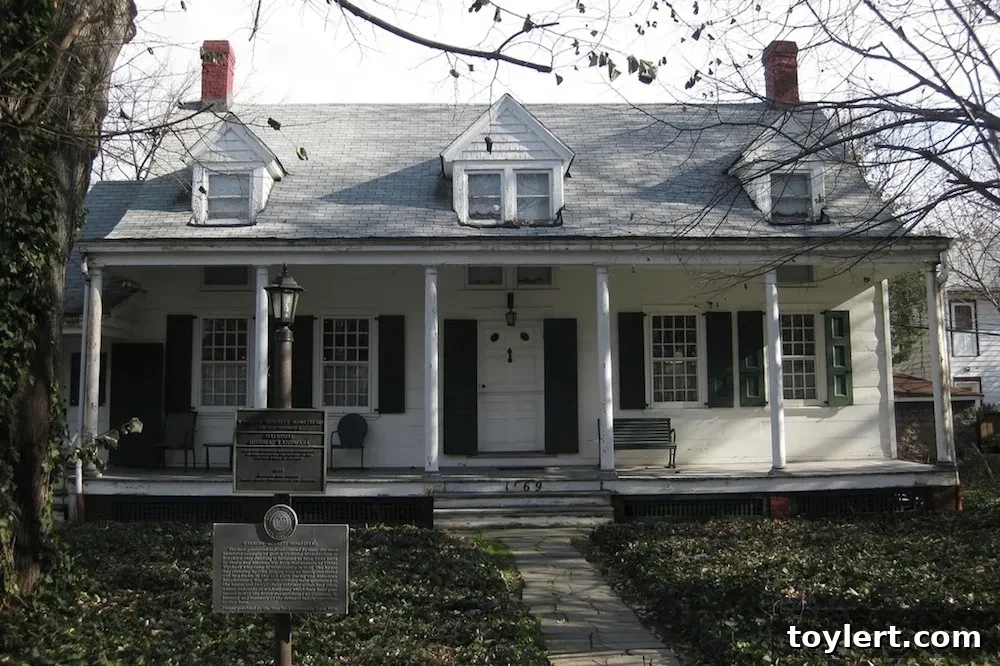
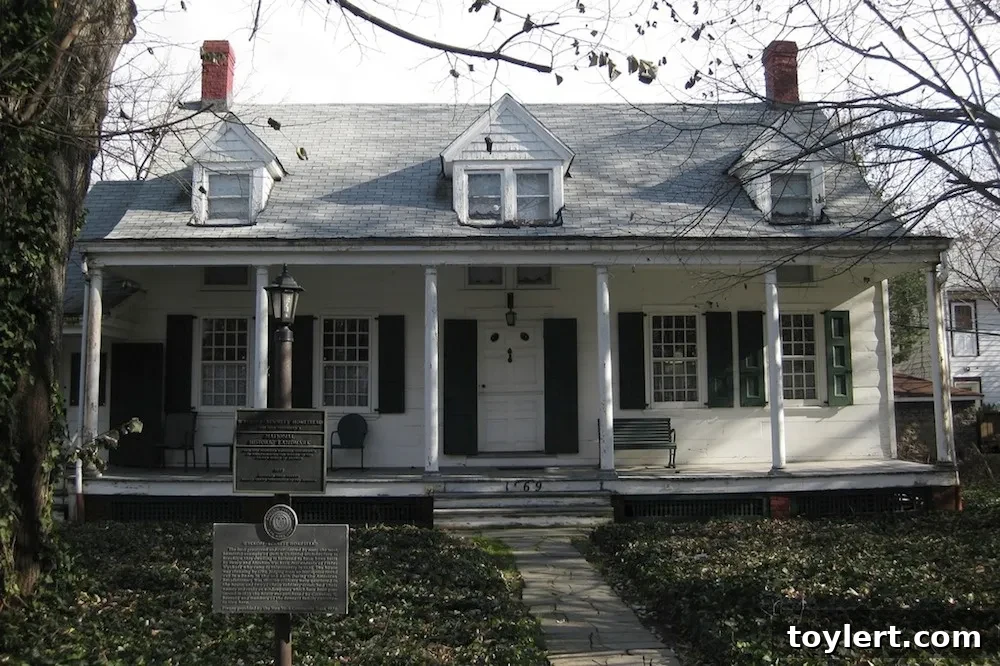
The stories of the Schenck and Lefferts families are emblematic of a broader narrative concerning life in Dutch Colonial Brooklyn. This period was characterized by a distinctive cultural blend, where Dutch customs, language, and governance shaped the nascent communities. Early Brooklyn was largely an agricultural hub, with vast farmlands producing staples like wheat, corn, and dairy products. Farmers cultivated the fertile soil, forming close-knit communities centered around their churches and common lands. The image of the Wyckoff-Bennett Homestead, a quintessential example of Dutch colonial architecture, serves as a powerful reminder of this era, showcasing the sturdy, practical design principles adapted to the New World environment.
Community life was robust, with families often intermarrying and supporting one another through the challenges of frontier living. The church was not just a place of worship but a social and political hub, reinforcing community bonds and moral codes. Children were educated, often within the home or through community-run schools, learning practical skills alongside basic literacy and religious instruction. Economic activities extended beyond farming to include milling, blacksmithing, and modest trade, particularly with New Amsterdam (Manhattan) and other surrounding settlements.
Life was not without its hardships. Early settlers faced harsh winters, the constant threat of disease, and complex interactions with indigenous populations. The political landscape also shifted dramatically when the English seized New Netherland in 1664, renaming it New York. This transition brought new laws, customs, and eventually, a gradual anglicization of the Dutch communities, though many Dutch families, including the Schencks and Lefferts, retained their cultural identity and influence for generations.
The Enduring Importance of Historical Preservation
Why do these centuries-old diaries, bibles, and recipe books matter so profoundly today? They are more than mere relics; they are tangible links to our collective past, offering invaluable primary source material that allows us to move beyond broad generalizations and truly understand the intricacies of colonial life. These artifacts provide a sense of continuity, connecting contemporary Brooklynites to the pioneering spirit and foundational efforts of their ancestors. They remind us that today’s bustling urban landscape was once a series of agrarian communities, shaped by the hands and minds of individuals like the Schencks and Lefferts.
Institutions such as the Brooklyn Historical Society and the Brooklyn Museum play an indispensable role in this ongoing dialogue with the past. Through their dedicated efforts in collecting, preserving, researching, and exhibiting these historical treasures, they ensure that the stories of Brooklyn’s founding families remain accessible and relevant. They are not only guardians of physical artifacts but also custodians of memory, facilitating public engagement through talks, exhibitions, and educational programs. Their work allows us to learn from the challenges and triumphs of those who came before us, providing context for our present and guidance for our future.
The exploration of Brooklyn’s Dutch colonial heritage is a continuous journey. Each unearthed document, each carefully conserved artifact, adds another layer to our understanding of this vibrant borough’s origins. By valuing and studying these historical materials, we honor the legacy of Brooklyn’s founding families and gain a deeper appreciation for the rich tapestry of history that defines this remarkable place.