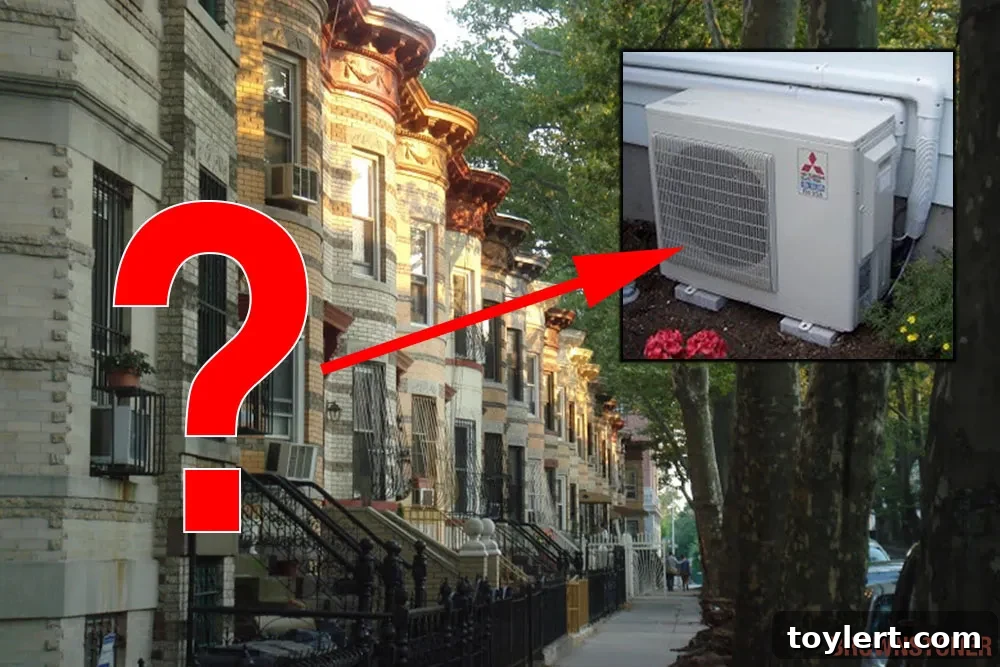
In the quest for perfect indoor comfort, especially in the unique architectural landscape of a row house, homeowners often face a critical decision: how to effectively cool their living spaces without compromising aesthetics, efficiency, or budget. A common question arises, as recently posed by a reader: “Should we get air conditioning for our row house? Thinking about buying a mini-split system, but we don’t know that much about how they work. Do we need a unit in every room? Where does the piping go? Can the compressor be on the roof or in the back yard? How much does a system cost vs. central a/c?” This comprehensive guide aims to demystify mini-split AC systems, offering invaluable insights for row house owners considering this versatile cooling solution.
Mastering Comfort: A Comprehensive Guide to Mini-Split AC Systems for Row Houses
Row houses, with their distinct layouts and often historic charm, present specific challenges when it comes to installing modern air conditioning systems. Traditional central air often requires extensive ductwork that can be costly and disruptive to install, especially in older homes. This is where ductless mini-split air conditioners emerge as an increasingly popular and practical alternative. Providing targeted cooling and heating, these systems offer a flexible and energy-efficient way to achieve optimal indoor climate control.
Understanding Mini-Split AC Systems: The Basics
A mini-split air conditioning system, often referred to as a ductless mini-split, fundamentally differs from conventional central air conditioning. Instead of a single outdoor compressor unit connected to a network of ducts, a mini-split system consists of two main components:
- An outdoor compressor/condenser unit: This unit houses the main components for cooling and is placed outside the home.
- One or more indoor air-handling units: These units are typically mounted on a wall or ceiling inside individual rooms or zones, distributing conditioned air directly.
These two parts are connected by a conduit that houses the refrigerant lines, power cable, and condensate drain line. The most significant advantage is the absence of cumbersome ductwork, making mini-splits ideal for homes where duct installation is impractical or impossible, such as many row houses.
How Ductless Mini-Splits Work
The operational principle of a mini-split system is similar to a central air conditioner, but on a localized scale. Refrigerant circulates between the outdoor unit and the indoor unit(s). The indoor unit absorbs heat from the room air, transferring it via the refrigerant to the outdoor unit, where the heat is released. Many modern mini-split systems also function as heat pumps, providing efficient heating during cooler months by reversing the refrigeration cycle.
Addressing Key Questions About Mini-Split Installation in Row Houses
Do You Need a Unit in Every Room?
The question of how many indoor units are needed is crucial for both comfort and efficiency. Mini-split systems come in two primary configurations:
- Single-Zone Systems: These consist of one outdoor unit connected to one indoor unit, ideal for cooling a single room or an open-plan area.
- Multi-Zone Systems: A single outdoor unit can be connected to multiple indoor units (typically up to five or more), each independently controlled. This allows for customized climate control in different rooms or “zones” of your row house.
For a typical multi-story row house, a multi-zone system is often the most practical solution. You wouldn’t necessarily need a unit in *every* single room, but rather in primary living areas, bedrooms, and perhaps a dedicated home office. Factors to consider include:
- Room Size and Layout: Larger rooms or open-concept floors might require a higher BTU capacity unit or even multiple units.
- Heat Load: Rooms with more sun exposure, large windows, or heat-generating appliances will need more cooling power.
- Usage Patterns: Place units in rooms you use most frequently.
- Zoning Preferences: Decide which areas you want to control independently for maximum energy savings and comfort. For instance, cooling only bedrooms at night while leaving unoccupied areas warmer.
A qualified HVAC professional can conduct a load calculation (Manual J calculation) to determine the precise cooling capacity and optimal placement for each indoor unit, ensuring efficient and effective climate control throughout your row house.
Where Does the Piping Go?
One of the most appealing aspects of mini-splits for row houses is the minimal disruption during installation. The “piping” refers to the conduit that connects the indoor and outdoor units. This conduit, typically 2-3 inches in diameter, contains the refrigerant lines, electrical wiring, and condensate drain line.
Installation flexibility is a hallmark of mini-splits:
- Through Walls: The conduit can pass directly through an exterior wall, connecting an indoor unit to an outdoor unit placed nearby.
- Through Floors/Ceilings: For multi-story row houses, piping can be routed discreetly through floors or ceilings, connecting indoor units on different levels to a single outdoor unit.
- Line Hiding: To maintain aesthetics, the conduit can be run inside walls (if feasible during renovations) or concealed using decorative line-hide covers that match your home’s exterior or interior paint.
- Drainage: The condensate drain line removes moisture extracted from the air. This line typically runs alongside the refrigerant lines and drains outdoors, often via gravity, or into an existing plumbing drain system with a small pump if necessary.
The goal is always to minimize the visual impact, making the connections as inconspicuous as possible. Professional installers are skilled at routing these lines discreetly, preserving the architectural integrity of your row house.
Can the Compressor Be on the Roof or in the Backyard?
Yes, both the roof and the backyard are common and viable locations for the outdoor compressor unit of a mini-split system. The best placement depends on several factors:
Backyard Placement:
- Pros: Easier access for maintenance, generally less visible from the street (depending on backyard design), can be shielded by landscaping.
- Cons: Can take up valuable yard space, potential for noise to affect outdoor living areas or neighbors, might require longer line sets to reach indoor units on upper floors.
Roof Placement:
- Pros: Completely out of sight, frees up ground-level space, often closer to indoor units on upper floors, reducing line set length.
- Cons: Requires structural assessment to ensure the roof can support the weight, more challenging and costly installation due to height, potential for noise to transmit through the building structure, harder access for routine maintenance or repairs.
Before deciding, consider:
- Local Regulations & Permits: Some municipalities have restrictions on outdoor unit placement, especially in historic districts or for roof installations. Always check with your local planning department.
- Noise: While mini-split outdoor units are quieter than older central AC units, they do produce some noise. Consider proximity to bedrooms, patios, and neighbors.
- Accessibility: Ensure easy access for service technicians.
- Aesthetics: How will the unit look from various vantage points?
- Structural Integrity: For roof mounting, a structural engineer may need to confirm the roof can bear the load.
Your HVAC installer will assess your property and provide recommendations for the optimal placement, balancing these factors with efficiency and code compliance.
How Much Does a System Cost vs. Central A/C?
Cost is a significant factor in any home improvement project. Comparing mini-split and central AC costs involves looking at initial installation and long-term operating expenses.
Initial Installation Cost:
- Mini-Split Systems: The cost can vary widely based on the number of indoor units, the total BTU capacity, brand, and complexity of installation (e.g., length of line sets, roof vs. ground placement). A single-zone system might start from $2,000 – $4,000 installed, while a multi-zone system for an entire row house could range from $6,000 to $15,000+, depending on the number of zones and system size.
- Central AC Systems: For homes without existing ductwork, installing central AC can be very expensive, often ranging from $8,000 to $20,000+. The high cost is primarily due to the extensive labor and materials required for duct installation, which can involve opening up walls and ceilings. If ductwork is already present and in good condition, the cost for a new central AC unit might be comparable to a multi-zone mini-split.
For most row houses lacking existing ducts, mini-splits generally offer a more cost-effective initial installation than installing a full central ducted system from scratch.
Operating Costs & Energy Efficiency:
- Mini-Splits: Are renowned for their energy efficiency. Their ductless design eliminates energy losses associated with ductwork (which can account for 20-30% of energy consumption in central systems). Furthermore, multi-zone mini-splits offer “zoning” capabilities, allowing you to cool or heat only the occupied rooms, significantly reducing energy waste. High SEER (Seasonal Energy Efficiency Ratio) and HSPF (Heating Seasonal Performance Factor) ratings are common.
- Central AC: While modern central AC units are more efficient than older models, they cool or heat the entire house simultaneously, even unoccupied rooms, unless complex zoning dampers are installed (which add to the cost and complexity). Energy losses through ducts, even well-insulated ones, can still be a factor.
Over the long term, mini-splits often prove more economical to operate, especially in row houses where distinct zones of use are common.
Maintenance:
Both systems require regular maintenance to operate efficiently. Mini-splits involve cleaning filters on each indoor unit and professional servicing of both indoor and outdoor components. Central AC involves filter changes at a central return and professional checks of the outdoor unit and furnace/air handler.
Benefits of Mini-Split AC for Row Houses
Beyond addressing the immediate questions, understanding the broader advantages of mini-split systems highlights why they are an excellent choice for row houses:
1. Exceptional Energy Efficiency and Zoning Control
Mini-splits allow for precise temperature control in individual zones, meaning you only cool or heat the areas you are using. This targeted approach dramatically reduces energy waste compared to cooling an entire house with a central system, especially beneficial in multi-story row houses where temperatures can vary significantly between floors.
2. Installation Flexibility and Minimal Disruption
Without the need for extensive ductwork, mini-splits are far easier and less disruptive to install. This is a major advantage for existing row houses, particularly those with historic features that homeowners wish to preserve. The installation typically involves a small hole in the wall for the conduit, rather than major construction work.
3. Improved Indoor Air Quality
Indoor mini-split units come with multi-stage filtration systems that can effectively remove allergens, dust, and other particulates from the air, contributing to a healthier living environment. Unlike ducted systems, there’s no ductwork to accumulate dust, mold, and other contaminants.
4. Quiet Operation
Both indoor and outdoor mini-split units are designed for quiet operation. The loudest components are typically housed in the outdoor unit, and even those are significantly quieter than older central AC compressors. Indoor units operate at very low decibel levels, ensuring your comfort isn’t disturbed by noisy fans.
5. Heating Capabilities (Heat Pump Functionality)
Most mini-split systems function as heat pumps, providing both cooling in the summer and efficient heating in the winter. This dual functionality offers a year-round climate control solution, potentially replacing or supplementing existing heating systems and providing additional energy savings.
6. Aesthetic Integration
Modern indoor units are sleek and compact, available in various styles (wall-mounted, ceiling cassette, floor-standing) to blend seamlessly with your interior design. The external piping can be discreetly routed or covered with attractive line-hide options, minimizing visual impact.
Potential Drawbacks and Considerations
While mini-splits offer numerous advantages, it’s also important to consider potential drawbacks:
- Initial Cost: While often cheaper than new central AC with duct installation, a multi-zone mini-split system still represents a significant investment.
- Aesthetics of Indoor Units: While designs are improving, some homeowners may still prefer the completely hidden nature of ducted systems. Careful placement is key.
- Maintenance of Multiple Units: If you have several indoor units, each one requires filter cleaning and periodic maintenance.
- Professional Installation is Crucial: Proper sizing, placement, and installation are paramount for efficiency and longevity. DIY installation is strongly discouraged.
Choosing the Right System and Installer
Selecting and installing a mini-split system for your row house requires careful planning:
- Consult a Professional: Work with an experienced HVAC contractor specializing in mini-split systems for urban homes. They can assess your specific needs, conduct accurate load calculations, and recommend the best system configuration.
- Sizing Matters: Undersized units won’t cool effectively, while oversized units will cycle on and off frequently, wasting energy and reducing comfort.
- Energy Ratings: Look for high SEER (Seasonal Energy Efficiency Ratio) and HSPF (Heating Seasonal Performance Factor) ratings to ensure maximum energy savings.
- Warranties: Inquire about manufacturer warranties for the equipment and installation warranties from the contractor.
- Local Codes and Permits: Ensure your chosen installer is aware of and adheres to all local building codes and permit requirements. This is especially important for roof installations and historic properties.
Conclusion: An Ideal Solution for Row House Comfort
For row house owners seeking efficient, flexible, and discreet climate control, a mini-split AC system presents an outstanding solution. By providing zoned cooling and heating without the need for extensive ductwork, mini-splits overcome many of the challenges posed by traditional central air systems in these unique homes. From addressing concerns about unit placement and piping to offering significant energy savings, mini-splits empower homeowners to achieve personalized comfort while preserving the charm and integrity of their row house. With careful planning and professional installation, a mini-split system can transform your home into an oasis of comfort, making those warm summer days (and chilly winter nights) a distant memory.