Editor’s note: This story is an update of one that originally ran in 2012. For historical context and a look back, you can read the original article here.
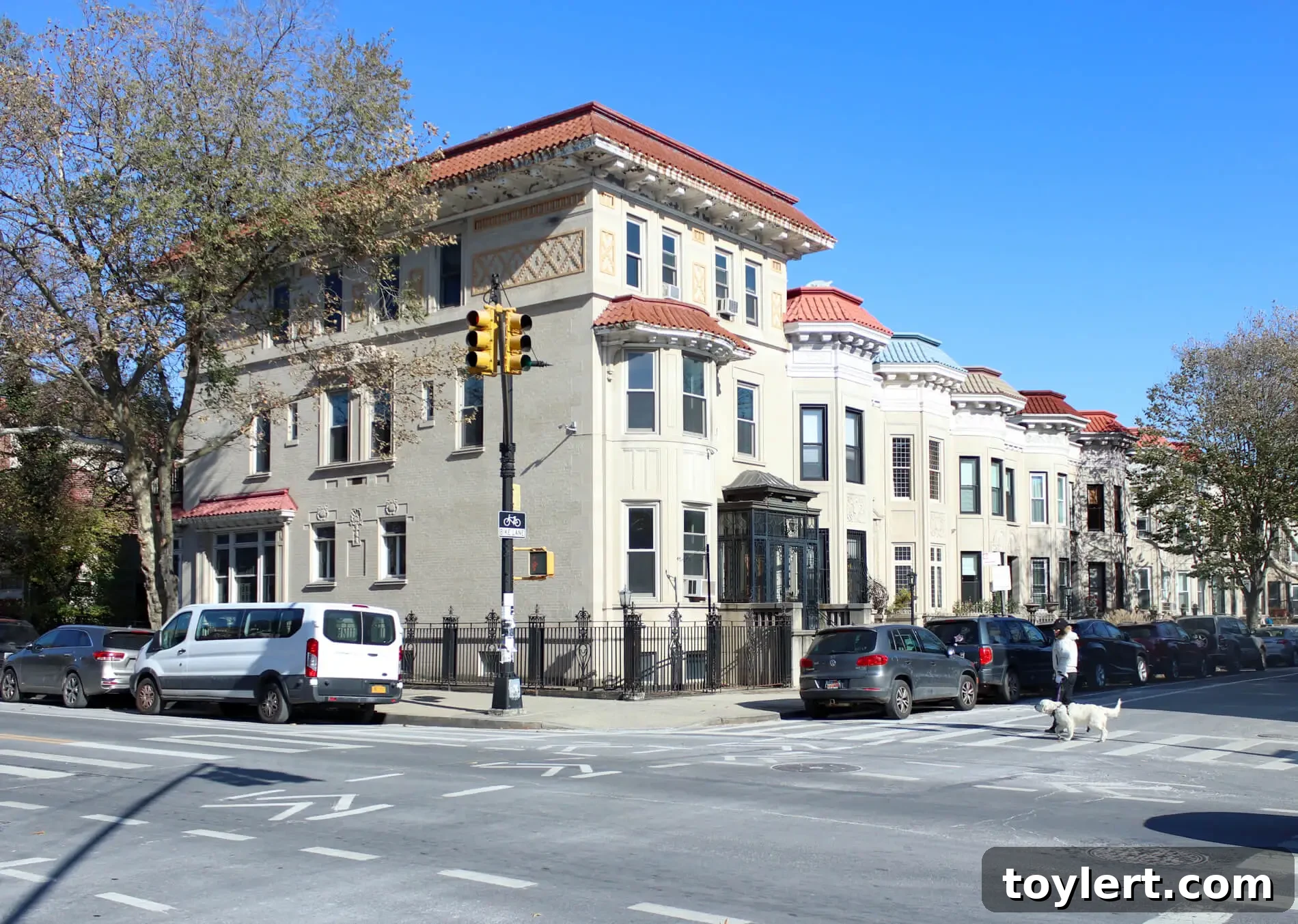
Nestled within the verdant and architecturally rich landscape of Brooklyn, the captivating block of houses on Maple Street stands as a profound testament to the unparalleled talent of Axel Hedman. Widely recognized as Brooklyn’s most prolific and influential designer of Renaissance Revival housing, Hedman left an indelible mark on the borough’s streetscapes. While many of his designs bear a familial resemblance, a common characteristic of busy architects, this particular row on Maple Street distinguishes itself with an extraordinary level of craftsmanship and unique vision. As the timeless Southern cooking compliment goes, “he put his elbow in this one,” indicating an exceptional effort and a truly inspired creation. Indeed, these homes represent a truly different, and undeniably great, example of row house architecture, showcasing a master at the zenith of his creative powers.
Axel Hedman: A Brooklyn Architectural Titan and His Enduring Legacy
Axel Hedman’s name is synonymous with the architectural grandeur that defines much of late 19th and early 20th-century Brooklyn. A Swedish immigrant who arrived in New York in the late 1880s, Hedman quickly established himself as a dominant force in residential design. His firm, Hedman & Schoen, and later his independent practice, were responsible for hundreds, if not thousands, of homes across the borough, particularly in burgeoning neighborhoods like Prospect Lefferts Gardens, Crown Heights, and Bay Ridge. His prolific output played a crucial role in shaping the aesthetic character of these areas, catering to the growing middle and upper-middle classes seeking elegant and substantial homes.
What set Hedman apart was his consistent ability to adapt and refine the fashionable Renaissance Revival style. While many architects of his era adopted this popular style, Hedman’s designs often possessed a particular flair—a knack for integrating classical elements with practical, comfortable living spaces. He understood the aspirations of Brooklyn residents and translated them into brick, stone, and terra cotta, creating stately homes that exuded prosperity and taste. However, amidst his vast portfolio, the Maple Street row emerges as a standout, a collection where his typical brilliance is elevated to an art form, demonstrating an innovative approach that transcended his standard, albeit excellent, repertoire.
The Allure of Renaissance Revival Architecture in Brooklyn
The Renaissance Revival style, gaining traction in America from the 1880s through the early 1900s, was a natural fit for Brooklyn’s burgeoning urban landscape. Characterized by its homage to Italian Renaissance palaces and French Beaux-Arts principles, this style emphasized classical symmetry, grand proportions, and rich ornamentation. Architects drew inspiration from historical precedents, incorporating elements such as rusticated stone bases, elaborate cornices, arched windows, and decorative motifs like swags, medallions, and pilasters.
For Brooklyn, a borough experiencing rapid growth and a desire to project an image of sophisticated urbanity, Renaissance Revival offered an ideal architectural language. It conveyed a sense of permanence, history, and cultivated taste. Hedman, in particular, became a master interpreter of this style, often employing a palette of materials that included warm-toned brick, rough-faced brownstone or limestone, and vibrant terra cotta details. His designs frequently featured deep, inviting stoops, projecting bay windows that captured light and views, and ornate entryways that heralded the elegance within. The style allowed for a balance between individual expression for each home within a row and a cohesive, harmonious streetscape, a quality Hedman expertly achieved. This approach contributed significantly to the dignified and desirable residential character that still defines many of Brooklyn’s most cherished blocks.
Maple Street’s Masterpiece: A Detailed Examination of 125 Maple Street and its Companions
The row of houses on Maple Street, specifically exemplified by 125 Maple Street, stands as the zenith of Axel Hedman’s residential designs. What makes this particular block so exceptional lies in its nuanced deviation from his more typical, yet still impressive, Renaissance Revival compositions. While many of Hedman’s rows are celebrated for their uniformity and subtle variations, the Maple Street homes showcase a bold experimentation, a richer tapestry of materials, and an almost artisanal attention to distinctive details that elevate them far beyond the ordinary.
One of the most striking features that immediately sets this row apart is the ingenious use of materials and their textural interplay. Unlike the more monochromatic brick or brownstone facades often seen in Hedman’s work, these houses boast a sophisticated combination of contrasting elements. Rich, earthy-toned bricks form the primary facade, beautifully complemented by finely carved limestone or terra cotta accents that frame windows, define lintels, and adorn cornices. This polychromatic approach creates a dynamic visual interest, allowing each house to possess its own distinct personality while contributing to a cohesive and grand overall street presence.
The fenestration, or window arrangement, is another area where Hedman’s genius shines. Instead of repetitive window types, the Maple Street homes feature a delightful variety. Some boast classic double-hung windows with intricate leaded glass transoms, while others incorporate elegant bay windows that project outward, providing expanded interior space and allowing light to flood the living areas. These bays are often topped with decorative cornices or even small balconies, adding another layer of architectural sophistication. The entryways are equally diverse, ranging from deeply recessed classical portals flanked by columns to more elaborate stoops with ornate ironwork and detailed carvings.
However, perhaps the most distinctive and memorable feature, hinted at in historical records and architectural appraisals, is the prominent and expressive roofline, often adorned with eye-catching tile roofs. While many Brooklyn row houses feature flat or low-pitched roofs concealed by cornices, these Maple Street homes, or at least a significant portion of them, bravely expose pitched roofs, possibly clad in vibrant red or green tiles. This choice is a significant departure, adding a picturesque quality reminiscent of European villas and further differentiating them from the typical urban row house typology. The prominent roofs, possibly punctuated by dormer windows or ornate chimneys, contribute dramatically to the overall silhouette and architectural character, making the row instantly recognizable and remarkably unique within Hedman’s oeuvre and Brooklyn’s architectural landscape.
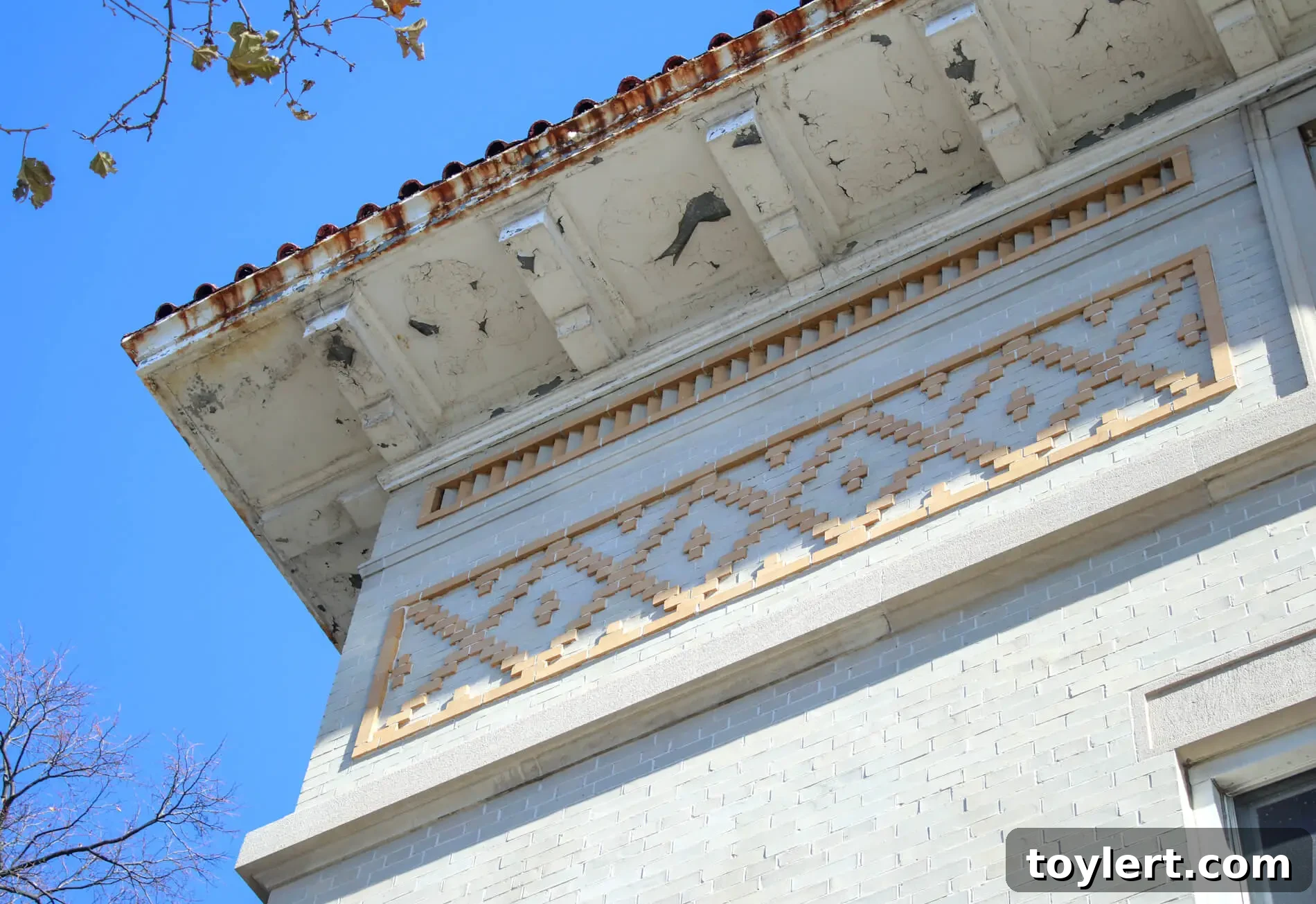
The ornamentation throughout the row is executed with a master’s touch, demonstrating a deeper level of artistry. Swags, garlands, classical busts, and intricate floral motifs are meticulously carved into stone or cast in terra cotta, enriching the facades without overwhelming them. Each detail feels carefully considered, contributing to a sense of bespoke craftsmanship rather than mass production. It’s this extraordinary synthesis of varied materials, innovative fenestration, bold rooflines, and exquisite detailing that truly confirms this block on Maple Street as Hedman’s finest residential achievement, a testament to an architect who, for this particular project, truly “put his elbow in.”
A Jewel in Prospect Lefferts Gardens
The location of these magnificent homes in Prospect Lefferts Gardens further enhances their significance. Developed in the late 19th and early 20th centuries, Prospect Lefferts Gardens was conceived as an exclusive residential enclave, characterized by its wide, tree-lined streets and substantial homes. The neighborhood’s developers, notably the Lefferts family, aimed to create a serene suburban atmosphere within the bustling borough, attracting prosperous families with a taste for elegant living.
Axel Hedman’s Maple Street row perfectly embodies the aspirations of this period and place. The houses contribute significantly to the neighborhood’s prestigious architectural fabric, complementing the grand freestanding homes and other high-quality row houses that define the area. Walking down Maple Street, one immediately senses the historical depth and architectural grandeur. The cohesive yet individually distinctive design of Hedman’s row creates a harmonious streetscape that invites admiration, reflecting an era when craftsmanship and architectural integrity were paramount. These homes are not just buildings; they are integral components of Prospect Lefferts Gardens’ identity, speaking to a legacy of thoughtful urban development and design excellence.
Enduring Legacy: Preservation and Appreciation
Over a century after their construction, Axel Hedman’s row houses on Maple Street continue to captivate and inspire. Their enduring appeal lies not only in their aesthetic beauty but also in their historical significance. They represent a pivotal moment in Brooklyn’s architectural evolution, showcasing the talent of a master builder and the popular tastes of an era of unprecedented urban expansion. The meticulous detailing, the quality of construction, and the thoughtful design have allowed these homes to age gracefully, maintaining their grandeur and charm.
Today, these residences are cherished by their owners and admired by architectural enthusiasts. Their presence underscores the importance of historic preservation efforts in Brooklyn, ensuring that future generations can appreciate the rich architectural heritage that defines the borough. As landmarks of Axel Hedman’s career and exemplars of the Renaissance Revival style, the Maple Street houses stand as a reminder of the enduring power of well-conceived and expertly executed architecture to shape our communities and enrich our lives. Their continued existence is a tribute to Hedman’s vision and the timeless appeal of true architectural artistry.
In conclusion, Axel Hedman’s Maple Street row is more than just a collection of houses; it is a meticulously crafted architectural narrative, a testament to an architect’s peak performance, and an indispensable part of Brooklyn’s storied urban fabric. It invites us to pause, appreciate, and reflect on the beauty and history embedded in the very foundations of our cities.