Barclays Center’s Green Roof: A Beacon of Urban Sustainability in Brooklyn
The iconic Barclays Center in Brooklyn, a dynamic hub for sports and entertainment, has reached a significant milestone in its commitment to urban sustainability: the completion of its expansive 130,000-square-foot green roof. This ambitious project, designed to blend ecological benefits with structural innovation, transforms the arena’s skyline and reinforces its role as a responsible community partner. What began as a vision years ago has now materialized into a vibrant, living canopy, setting a new standard for large-scale urban developments.
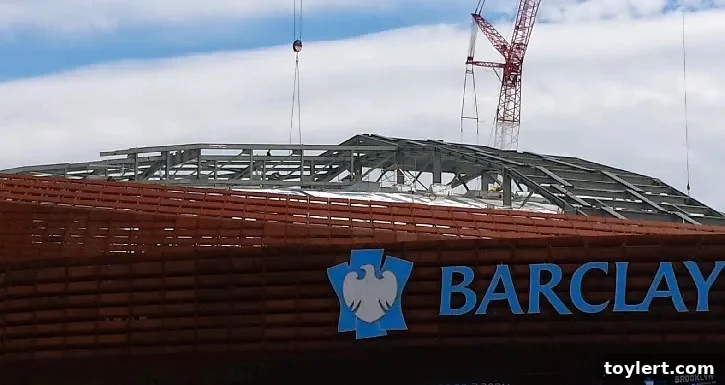
Documentation of the roof’s construction phase captured the initial excitement and intricate engineering involved. Noteworthy observations from sources like blogger and Halstead broker Andrew Fine, who snapped early photos of the roof’s steel frame installation, showcased the ambitious scale of the undertaking. These initial glimpses of the skeletal structure hinted at the remarkable transformation that was underway, promising a future where the concrete jungle embraces more natural elements.
The Vision Behind Brooklyn’s Green Canopy
The concept of a green roof for Barclays Center was not an afterthought but an integral part of its initial architectural plans. Envisioned as a pioneering feature, it sought to integrate environmental stewardship directly into the urban fabric of Prospect Heights. While economic considerations led to its temporary shelving during the initial construction phases, the commitment to this innovative design persisted. The eventual revival and completion of the project underscore a growing understanding of the long-term value that green infrastructure brings to dense urban environments.
This massive green space, primarily covered with durable sedum plants, serves multiple critical functions beyond mere aesthetics. It’s a testament to how modern architecture can actively contribute to ecological health and community well-being. The selection of sedum, a resilient, low-maintenance succulent, is strategic, ensuring the roof thrives in varied weather conditions while requiring minimal resources. This careful planning highlights the commitment to creating a sustainable feature that will endure for decades.
More Than Just Green: Multifaceted Benefits for the Community and Environment
The Barclays Center green roof is far more than a decorative element; it’s a multi-functional ecological system designed to address several challenges inherent in urban settings. Its completion marks a significant advancement in integrating nature-based solutions into large public venues, offering tangible benefits that resonate throughout the Prospect Heights neighborhood and beyond.
Mitigating Urban Noise Pollution
One of the primary drivers behind the green roof project was the pressing need to deaden sound from particularly loud concerts and events. The arena, a popular venue for world-class musicians and sporting events, inevitably generates significant noise, which has historically led to complaints from local residents. The sedum-covered structure plays a crucial role in mitigating this issue. Green roofs inherently possess excellent sound absorption properties. The layers of vegetation, soil, and drainage materials work together to absorb, deflect, and diffuse sound waves, significantly reducing ambient noise pollution that escapes the building. This natural acoustic barrier creates a more tranquil environment for neighbors, fostering better community relations and enhancing the quality of life in this bustling Brooklyn district.
Environmental Stewardship and Sustainability
Beyond noise reduction, the green roof delivers a suite of environmental advantages:
- Stormwater Management: Urban areas grapple with vast amounts of impervious surfaces, leading to rapid stormwater runoff that often overwhelms drainage systems and contributes to water pollution. The Barclays Center green roof acts as a giant sponge, absorbing tens of thousands of gallons of rainwater. This reduces the burden on the city’s infrastructure, lessens the risk of localized flooding, and filters pollutants from runoff before it enters the water system.
- Combating the Urban Heat Island Effect: Concrete and asphalt absorb and retain heat, making cities significantly warmer than surrounding rural areas – a phenomenon known as the Urban Heat Island (UHI) effect. Green roofs, through evapotranspiration and the reflective properties of plants, help cool the surrounding air. This cooling effect not only reduces the UHI but also contributes to lower energy consumption for cooling the building below, resulting in substantial energy cost savings and a reduced carbon footprint for the arena.
- Improving Air Quality: Plants naturally filter pollutants from the air, including particulate matter and various gases. While a single roof may seem small in the grand scheme, large-scale greening projects like this contribute to incremental improvements in local air quality, benefiting the health of residents.
- Promoting Biodiversity: The green roof provides a habitat for various insect species, birds, and pollinators, reintroducing a touch of biodiversity into an otherwise concrete-dominated landscape. This helps support local ecosystems and promotes ecological balance within the urban environment.
A Journey from Concept to Reality: The History of the Green Roof
The journey of the Barclays Center green roof has been characterized by both foresight and practical challenges. When the arena was first conceived, the green roof was an ambitious component of the original design, reflecting a forward-thinking approach to urban development. However, like many large-scale projects, it faced the realities of budgeting and construction costs. During critical phases, to save money and ensure the project’s overall viability, the green roof component was regrettably scaled back or postponed.
Years passed, and while the Barclays Center quickly established itself as a cornerstone of Brooklyn’s identity, the vision of its green roof remained. The renewed push to implement the green roof can be attributed to several factors: sustained community advocacy highlighting noise concerns, a growing global emphasis on sustainable building practices, and perhaps the securing of additional funding or a re-evaluation of long-term value versus upfront cost. The decision to finally proceed with the expensive, yet ultimately invaluable, roof reflects a mature understanding that investing in sustainable infrastructure yields significant returns in community goodwill, environmental health, and operational efficiency over time.
Barclays Center: A Hub of Activity and Innovation
Since its opening, Barclays Center has been much more than just a venue; it’s a vital part of Brooklyn’s modern identity. Hosting everything from NBA games for the Brooklyn Nets to spectacular concerts, family shows, and community events, it draws millions of visitors annually. Its distinctive rusted steel facade and impressive architecture have made it a landmark. The addition of the green roof further solidifies its status, not just as an entertainment hub, but as an exemplar of how large public spaces can evolve to meet contemporary environmental and community needs. It demonstrates that functionality and ecological responsibility can coexist, even in the most demanding urban settings.
The Broader Impact of Green Infrastructure in Urban Planning
The Barclays Center green roof project is a compelling case study in the broader movement towards green infrastructure in urban planning worldwide. As cities continue to expand and face environmental challenges like climate change, resource scarcity, and population density, integrating natural systems into built environments becomes increasingly crucial. Green roofs, along with other green infrastructure elements like rain gardens, permeable pavements, and urban parks, are recognized as essential tools for creating more resilient, livable, and sustainable cities.
These initiatives contribute to comprehensive urban sustainability strategies, addressing issues from air quality and water management to public health and urban biodiversity. The success of the Barclays Center project can serve as an inspiration for other developers and city planners, demonstrating that even massive commercial and entertainment complexes can meaningfully contribute to urban greening efforts without sacrificing functionality or aesthetic appeal.
A Model for Future Urban Projects
The 130,000-square-foot green roof at Barclays Center represents more than just a completed construction project; it is a powerful symbol of progress and a model for future urban development. It illustrates the potential for large, high-impact venues to actively participate in enhancing the environmental quality and livability of their surroundings. By prioritizing sustainability and responding to community needs, Barclays Center has not only improved its immediate impact but has also contributed significantly to Brooklyn’s reputation as a forward-thinking, green-conscious borough.
As visitors and residents enjoy the array of events at Barclays Center, they can take pride in knowing that the building’s roof is quietly working to make Brooklyn a healthier, quieter, and more sustainable place to live, work, and play. This green transformation is a testament to perseverance, innovation, and a shared vision for a greener urban future.