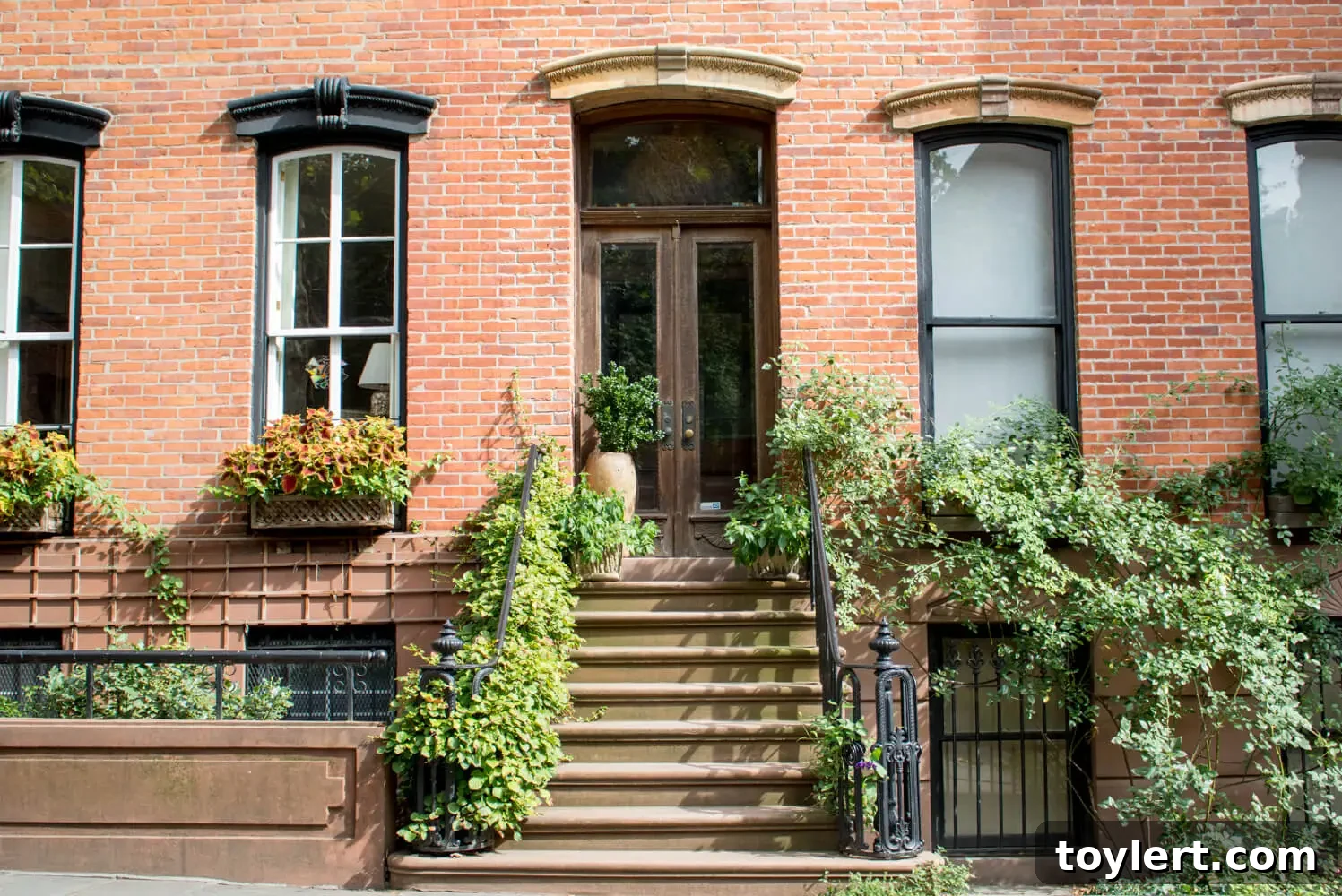
Navigating the Legality of Garden-Level and Cellar Apartments in Brownstones: A Comprehensive Guide
Purchasing a brownstone is often a dream for many, offering unique charm and the potential for additional rental income. However, the allure of a duplexed unit with a garden-level apartment and a cellar bedroom comes with significant legal complexities that prospective homeowners must thoroughly understand. A common scenario involves a buyer with an accepted offer on a two-family brownstone, who raises crucial questions about the legality of renting out the lower unit, especially when it features a bedroom partially or fully below curb level.
The specific concern often revolves around a cellar bedroom that, while below curb level at the front of the house, boasts windows overlooking a garden at the rear. Does the presence of these windows automatically render it a legal bedroom? This article aims to address this pivotal question, delving into the intricacies of building codes, the importance of due diligence during contract negotiations, and best practices for describing such spaces in rental listings.
Understanding the Nuances: Garden-Level vs. Cellar Apartments
Before diving into legalities, it’s essential to distinguish between a “garden-level” and a “cellar” unit, as regulations can vary based on this classification. While often used interchangeably, their definitions, particularly in urban environments like New York City, are quite precise and carry significant implications for habitability and legality.
- Garden-Level Apartment: Typically refers to a dwelling unit where at least one-half of its height is above the average grade of the ground level. These units often have direct access to a garden or backyard and usually benefit from ample natural light.
- Cellar Apartment: This term is generally applied to a story of a building that is more than one-half below the average level of the adjoining ground. Cellars are often intended for utilities, storage, or recreational spaces, not primary dwelling units, unless specifically approved and legalized.
The reader’s scenario describes a unit where the cellar is below curb level at the front but features garden-facing windows at the rear. This mixed description immediately flags it as a potentially ambiguous, and thus legally risky, situation. The key is not just the presence of windows, but whether the space meets all the strict requirements for a legal dwelling unit.
Key Regulatory Requirements for a Legal Bedroom
The belief that “windows overlooking a garden” automatically legalize a cellar bedroom is a common misconception. While natural light and ventilation are critical components, they are just two among many stringent requirements that a space must meet to be legally classified as a habitable bedroom, particularly when below grade. These requirements are put in place to ensure the safety, health, and welfare of residents.
1. Ceiling Height
Most building codes mandate a minimum ceiling height for habitable rooms. For instance, in many jurisdictions, a bedroom must have a ceiling height of at least 7 feet 6 inches, or sometimes even 8 feet, for a specified area. If the cellar’s ceiling is lower than this minimum, regardless of other features, it cannot be a legal bedroom.
2. Light and Ventilation
Yes, windows are important. However, codes specify not just the presence of windows but their size, the percentage of the floor area they represent, and their ability to open for ventilation. For a legal bedroom, the total window area must often be at least 8% of the floor area, with at least half of that (4% of floor area) being openable for ventilation. Furthermore, the windows must provide sufficient natural light, which can be challenging if the room is significantly below grade, even with a garden view.
3. Egress (Emergency Exit)
This is arguably one of the most critical and often overlooked requirements for basement or cellar bedrooms. Every legal bedroom must have at least two independent means of exit. This typically means a door leading to the rest of the unit/building and a separate emergency escape and rescue opening (such as a properly sized window or an exterior door) that leads directly to the outside at grade level. The specifications for these egress windows are very precise regarding minimum clear opening height, width, and area, as well as the height of the sill from the floor. A window that simply “overlooks the garden” may not qualify as a legal egress point if it’s too high, too small, or requires climbing over obstacles.
4. Damp-Proofing and Waterproofing
Given their below-grade location, cellar units are highly susceptible to moisture issues. Legal requirements often include comprehensive damp-proofing and waterproofing measures for walls and floors to prevent water penetration and mitigate mold growth, ensuring a healthy living environment.
5. Fire Safety
Legal basement and cellar units must comply with robust fire safety standards. This includes interconnected smoke detectors, carbon monoxide detectors, and in some cases, sprinkler systems. The path to egress must also be clear and unobstructed.
6. Access to Essential Utilities
A legal dwelling unit requires proper access to heating, plumbing, and electrical systems that meet code standards. In many cases, cellar units need specific provisions for sewage ejectors and flood prevention measures.
The Crucial Role of the Certificate of Occupancy (CO)
The most definitive document determining the legal use of any part of a building is its Certificate of Occupancy (CO). The CO is issued by the local building department (e.g., Department of Buildings in NYC) and describes the legal use and occupancy classification of a building. It specifies how many dwelling units are permitted and what each floor or space is legally allowed to be used for.
If a brownstone is listed as a “two-family” residence, the CO should reflect that. If the garden-level/cellar unit is intended to be a legal dwelling, it must be explicitly noted on the CO. If the cellar is listed for “storage,” “mechanical,” or “recreation room,” then renting out a bedroom in that space is illegal, regardless of how many windows it has.
A prospective buyer should always obtain and review the current Certificate of Occupancy for the property. This document is public record and can typically be accessed through the local building department’s online portal or in person. Any discrepancy between the current use and the CO is a major red flag.
Risks Associated with Renting an Illegal Unit
The decision to rent out an illegal garden-level or cellar apartment carries significant risks for the homeowner, far outweighing any potential rental income. These risks can lead to severe financial penalties, legal battles, and even criminal charges.
- Fines and Penalties: Local building departments frequently conduct inspections and respond to tenant complaints. Operating an illegal dwelling can result in substantial fines, stop-work orders (if modifications are required), and requirements to vacate the unit.
- Legal Liabilities: As a landlord, you are responsible for providing safe and legal housing. If a tenant is injured due to unsafe conditions in an illegal unit, or if an emergency (like a fire) occurs, you could face immense legal liability, including lawsuits for negligence.
- Insurance Complications: Homeowner’s insurance policies may not cover damages or liabilities related to illegal units. In the event of a flood, fire, or injury, your insurance claim could be denied, leaving you fully exposed financially.
- Tenant Eviction Difficulties: Evicting tenants from an illegal unit can be extremely challenging. Courts are often sympathetic to tenants in such situations, and you may be required to pay relocation costs or return past rent.
- Difficulty Selling the Property: An illegal unit can complicate future sale prospects. Buyers may be hesitant, and lenders may not approve mortgages for properties with unaddressed code violations.
- Impact on Property Value: While an illegal unit might generate income in the short term, it can ultimately detract from the property’s long-term value due to the associated risks and potential costs of legalization or remediation.
Addressing the Code Violations During Contract Negotiations
The prospective homeowner’s suspicion that the cellar bedroom might not be legal is well-founded. This issue should absolutely be addressed during contract negotiations, as it represents a material defect that could impact the property’s value and future use. Ignoring it could lead to significant unforeseen expenses and legal challenges post-purchase.
1. Due Diligence is Paramount
Before proceeding further, the buyer should engage an experienced architect or an expediter who specializes in local building codes and zoning regulations. This professional can conduct a thorough inspection, review the property’s history with the building department, and provide a definitive assessment of the cellar unit’s legality. They can also estimate the costs and feasibility of bringing the unit up to code, if possible.
2. Discuss Findings with the Seller
If the architect confirms that the unit or bedroom is not legal, this information becomes a powerful negotiating tool. The buyer has several options:
- Request a Price Reduction: To offset the potential costs of legalization or the reduced income potential if the space cannot be rented as a bedroom.
- Seller Rectification: Ask the seller to legalize the unit before closing. This is often complex and time-consuming, and sellers may be reluctant.
- Escrow Agreement: Set aside a portion of the purchase price in an escrow account, to be released to the buyer after closing to cover the costs of legalization, or returned to the seller once legalization is complete (if the seller agrees to manage the process).
- Walk Away: If the issues are too severe, costly, or the seller is unwilling to negotiate, walking away from the deal might be the safest option.
Ensure that any agreements regarding code violations are clearly documented in writing within the purchase contract.
Describing the Space in a Rental Listing (If Not Legal)
Assuming the cellar bedroom is confirmed to be illegal for occupancy, it is crucial to accurately and legally describe the space in any future rental listing. Misrepresentation can lead to tenant disputes, legal action, and further fines.
Never refer to the illegal space as a “bedroom” or imply it is a separate dwelling unit. Instead, focus on its intended or permissible use according to the Certificate of Occupancy or general building code. Here are some appropriate ways to describe such a space:
- “Flexible lower-level space, ideal for an office or den.”
- “Spacious recreation room with garden access.”
- “Designated storage area / Laundry room with additional flexible space.”
- “Bonus room, perfect for hobbies or a home gym.”
- “Lower level with direct access to the private garden, suitable for an artist’s studio or quiet retreat.”
By using neutral, descriptive terms that do not suggest residential occupancy, you can avoid legal pitfalls and maintain transparency with prospective tenants. Always prioritize honesty and compliance.
The Potential for Legalization
While challenging, legalizing an illegal cellar or basement unit is sometimes possible, though it can be a costly and time-consuming endeavor. The process typically involves:
- Consultation: Hiring an architect or engineer to assess the feasibility and design necessary modifications to meet all building codes (egress, ventilation, ceiling height, waterproofing, fire safety, etc.).
- Permits: Obtaining all required permits from the local building department. This often involves submitting detailed architectural plans.
- Construction: Performing the necessary construction work according to the approved plans. This can include excavation, structural changes, new window installations, and extensive waterproofing.
- Inspections: Undergoing various inspections by the building department throughout the construction process.
- Amended Certificate of Occupancy: Upon successful completion and final inspection, the building department will issue an amended Certificate of Occupancy reflecting the new, legal use of the cellar space.
It’s important to understand that not all illegal units can be legalized. Structural limitations, zoning restrictions, or prohibitive costs might make legalization impractical or impossible. This is why thorough due diligence upfront is so critical.
Conclusion: Proceed with Caution and Expert Advice
The scenario of a garden-level brownstone apartment with a cellar bedroom highlights a common yet complex challenge for property buyers. While the prospect of additional rental income is appealing, the legalities surrounding such units are stringent and unforgiving. The presence of windows, while beneficial, does not by itself guarantee legality; a myriad of other code requirements, from ceiling height and egress to fire safety and waterproofing, must also be met.
Prospective homeowners are strongly advised to engage an experienced architect or expediter early in the buying process to thoroughly assess the property’s compliance with local building codes and to review the Certificate of Occupancy. Any identified violations should be a central point of negotiation with the current owners, potentially leading to price adjustments or seller-funded rectifications.
Ultimately, operating an illegal dwelling unit carries substantial financial and legal risks. Prioritizing compliance not only protects the homeowner from penalties and liabilities but also ensures the safety and well-being of future tenants. When in doubt, always err on the side of caution and seek expert professional advice to navigate these intricate property laws successfully.