Bay Ridge’s Historic Landmark: The Proposed Doctors’ Row Historic District Moves Closer to Designation
Bay Ridge, one of Brooklyn’s most cherished and historically rich neighborhoods, is on the verge of a significant milestone: the establishment of its very first historic district. This pivotal step toward preserving a vital piece of the area’s heritage marks a momentous occasion for residents and history enthusiasts alike. The proposed Bay Ridge Parkway Doctors’ Row Historic District, a testament to the neighborhood’s unique architectural and social evolution, recently garnered public attention during a crucial hearing, bringing its official designation tantalizingly close.
The journey to create a historic district is a meticulous process, demanding extensive research, community engagement, and thorough review by expert bodies. For Bay Ridge, this journey culminates around a distinctive stretch of residences that tell a compelling story of urban transformation. The community’s commitment to safeguarding its architectural treasures underscores a growing recognition of the intrinsic value of historical preservation in an ever-evolving city landscape.
Unveiling the Charm of Doctors’ Row: A Glimpse into Bay Ridge’s Past
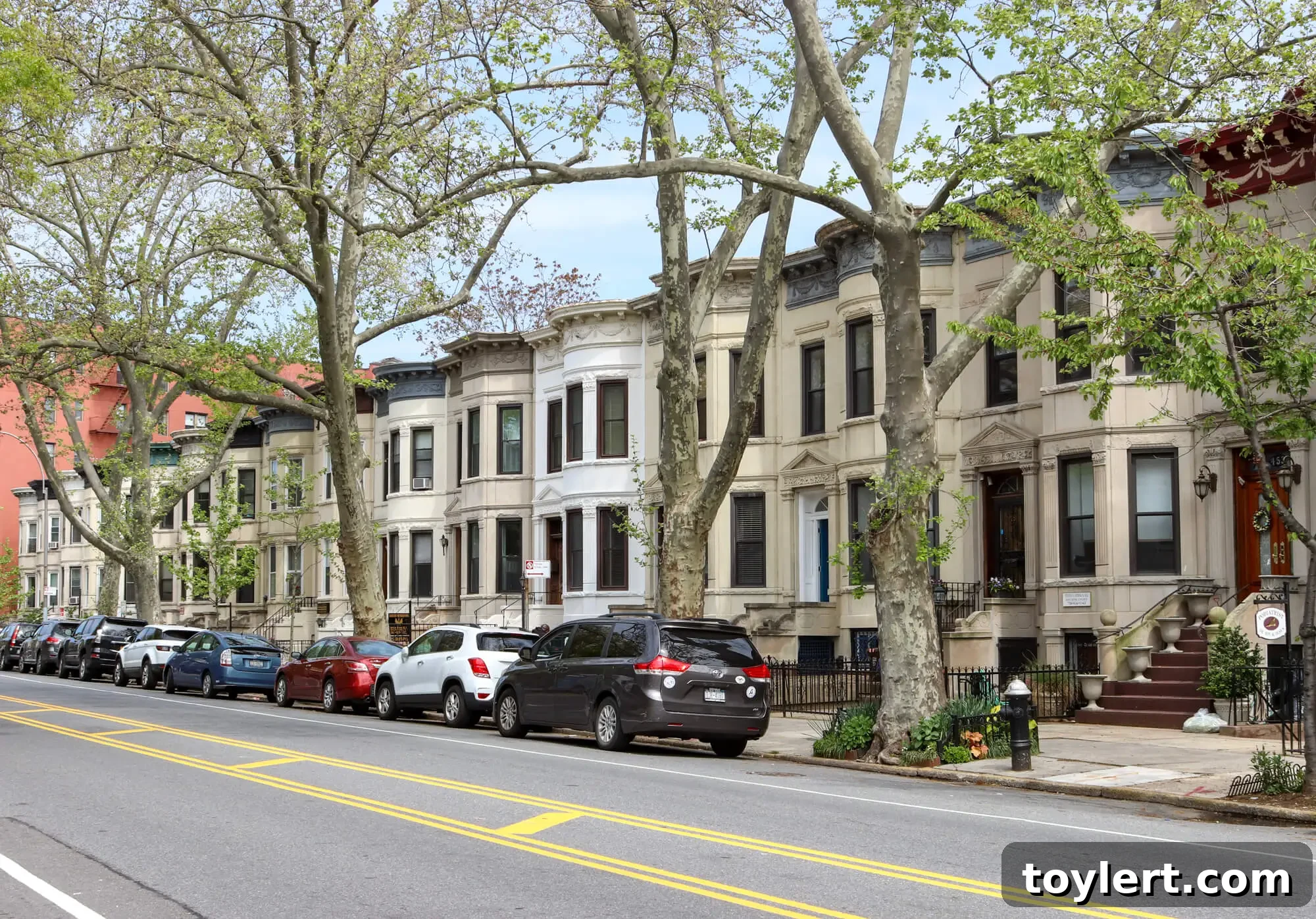
Nestled on Bay Ridge Parkway, specifically between 4th and 5th Avenues, the proposed historic district spans less than a single city block, yet it encapsulates a wealth of history and architectural grandeur. This compact but immensely significant area is composed of two remarkably intact rows of bay-fronted limestone row houses. These elegant structures, often referred to locally as “Doctors’ Row,” are more than just buildings; they are enduring symbols of Bay Ridge’s transformation from a tranquil suburban retreat to a vibrant, middle-class urban enclave.
The name “Doctors’ Row” itself sparks curiosity, hinting at a period when a significant number of medical professionals resided in these stately homes. This concentration of doctors speaks volumes about the neighborhood’s desirability and its burgeoning professional class during the late 19th and early 20th centuries. The homes provided not only comfortable living spaces but also convenient locations for private practices, cementing the area’s reputation as an affluent and respectable community.
Architecturally, these bay-fronted limestone row houses stand as exceptional examples of their era. The use of robust limestone, a material favored for its durability and aesthetic appeal, lends a sense of permanence and classic elegance to the streetscape. The distinctive bay fronts, a common architectural feature of the period, not only add visual interest and depth to the facades but also allowed for greater light penetration and enhanced views for the residents within. Each house, while part of a cohesive row, often exhibits unique decorative elements, from intricate cornices and detailed window surrounds to finely crafted stoops and entranceways, showcasing the skill and artistry of the builders.
The “intact” nature of these rows is particularly noteworthy. In a city like New York, where development and modernization frequently lead to the alteration or demolition of historic structures, the preservation of these homes in their original state is a rare and invaluable asset. Their pristine condition provides a tangible link to Bay Ridge’s past, allowing current and future generations to appreciate the architectural styles and urban planning principles that shaped the neighborhood.
The Echoes of Transformation: From Resort to Residential Hub
MaryNell Nolan-Wheatley from the Landmarks Preservation Commission (LPC)’s research department aptly characterized Doctors’ Row as a “distinguished example of Bay Ridge’s transformation from a suburban resort community to a middle-class urban neighborhood.” This succinct observation encapsulates a profound historical shift that defines much of Bay Ridge’s identity.
In its earlier days, Bay Ridge, with its picturesque waterfront views of the Narrows and the Statue of Liberty, was a sought-after summer destination for affluent New Yorkers escaping the heat and bustle of Manhattan. Grand hotels, sprawling estates, and private beaches dotted the landscape, offering a leisurely lifestyle. However, as transportation infrastructure improved – particularly with the expansion of subway lines – and the city’s population swelled, areas like Bay Ridge became increasingly accessible and attractive for permanent residency.
The late 19th and early 20th centuries witnessed a significant wave of development, leading to the construction of row houses and apartment buildings designed to accommodate a growing middle class. These new residents, including professionals like doctors, merchants, and civil servants, sought a balance between urban convenience and the charm of a less congested suburban environment. The Bay Ridge Parkway Doctors’ Row stands as a prime illustration of this transitional period, embodying the architectural aspirations and the social fabric of a community evolving from a seasonal haven to a year-round, bustling residential hub.
The homes on Doctors’ Row reflect the prevailing tastes and building technologies of this era, showcasing a blend of functionality and refined aesthetics. They represent a period of thoughtful urban planning where quality construction and a harmonious streetscape were paramount. Understanding this transformation is key to appreciating why these specific buildings hold such significant historical and architectural value, warranting their protection as a historic district.
The Public Hearing: A Step Towards Preservation
The recent public hearing on the proposed Bay Ridge Parkway Doctors’ Row Historic District was a critical juncture in the designation process. While the turnout was described as a “small number of local residents,” this often signifies a deeply engaged and informed group of stakeholders. Public hearings are designed to gather community input, allowing property owners, preservation advocates, and interested citizens to voice their opinions, concerns, and support regarding the proposed designation.
For the Landmarks Preservation Commission (LPC), such hearings are indispensable. They provide commissioners with direct feedback from those most affected by the potential changes and help ensure that designations reflect the community’s values and needs. The LPC, an agency responsible for protecting New York City’s architecturally, historically, and culturally significant buildings and sites, conducts extensive research and analysis before bringing any designation to a public vote. The positive momentum following this hearing suggests strong support for the district, aligning with the LPC’s findings regarding its historic merit.
Local community groups and passionate residents often play a pivotal role in initiating and advocating for historic district designations. Their tireless efforts in researching, documenting, and raising awareness about the architectural and historical significance of their neighborhoods are fundamental to the success of such initiatives. The movement to designate Doctors’ Row undoubtedly benefited from dedicated local advocacy, which helped bring the proposal to the LPC’s attention and shepherd it through the rigorous review process.
The Benefits of Historic District Designation for Bay Ridge
The designation of the Bay Ridge Parkway Doctors’ Row as a historic district will bring a multitude of benefits, extending far beyond the immediate preservation of a few blocks of houses. Primarily, it will provide an official layer of protection for these invaluable structures. Once designated, alterations to the exteriors of buildings within the district will require review and approval by the LPC, ensuring that any changes are consistent with the district’s historic character. This safeguard prevents inappropriate modifications that could erode the architectural integrity and visual cohesion of the area.
Beyond preservation, a historic district designation can significantly bolster community identity and pride. It formally recognizes the unique character and history of a place, fostering a deeper connection among residents to their surroundings. For Bay Ridge, this first historic district will serve as a beacon, celebrating its distinct past and setting a precedent for potential future preservation efforts in other historically significant areas of the neighborhood.
Economically, historic districts often experience enhanced property values due to the prestige and stability associated with protected historical areas. They can also attract heritage tourism, drawing visitors interested in architecture and local history, which in turn supports local businesses and stimulates economic activity. The “Doctors’ Row” could become a destination for architectural tours and historical walks, showcasing Bay Ridge’s unique contribution to Brooklyn’s urban tapestry.
Furthermore, historic districts serve an important educational purpose. They act as living museums, offering tangible lessons in architectural styles, urban development, and the social history of a community. For students, researchers, and anyone interested in the built environment, Doctors’ Row will provide a rich resource for understanding the forces that shaped New York City.
Looking Ahead: Bay Ridge’s Preservation Future
With the public hearing successfully concluded and positive indications from the LPC, the proposed Bay Ridge Parkway Doctors’ Row Historic District is now one step closer to final approval. The next stages typically involve further review by the LPC commissioners, culminating in a vote that would officially establish the district. This final step is eagerly anticipated by the community, which has long championed the cause of preserving Bay Ridge’s architectural gems.
The successful designation of Doctors’ Row could also catalyze broader preservation efforts within Bay Ridge. As the first historic district, it sets an important precedent and raises awareness about the value of protecting other potentially eligible areas. Bay Ridge boasts a diverse range of historic architecture, from grand Victorian homes to charming pre-war apartment buildings, each telling a part of the neighborhood’s story. This initial designation could inspire residents and local organizations to identify and advocate for the preservation of other significant streetscapes and individual landmarks.
Ultimately, the movement to establish the Bay Ridge Parkway Doctors’ Row Historic District is more than just about saving buildings; it is about honoring the past, enriching the present, and shaping a vibrant, historically conscious future for one of Brooklyn’s most beloved neighborhoods. It is a testament to the power of community, the vision of preservationists, and the enduring beauty of New York City’s architectural heritage.