Doctors’ Row: A Century-Old Limestone Legacy in Bay Ridge Poised for Historic Preservation
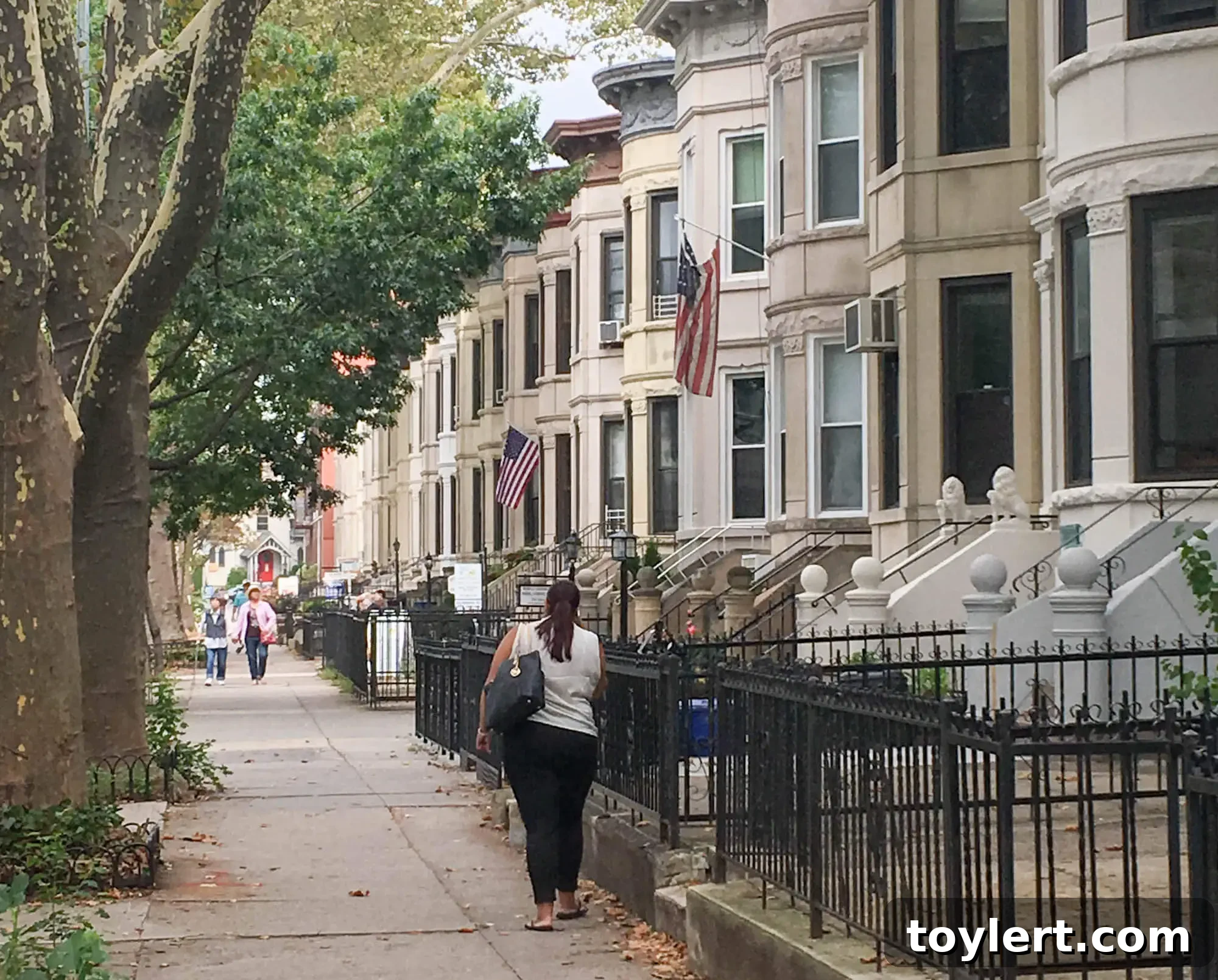
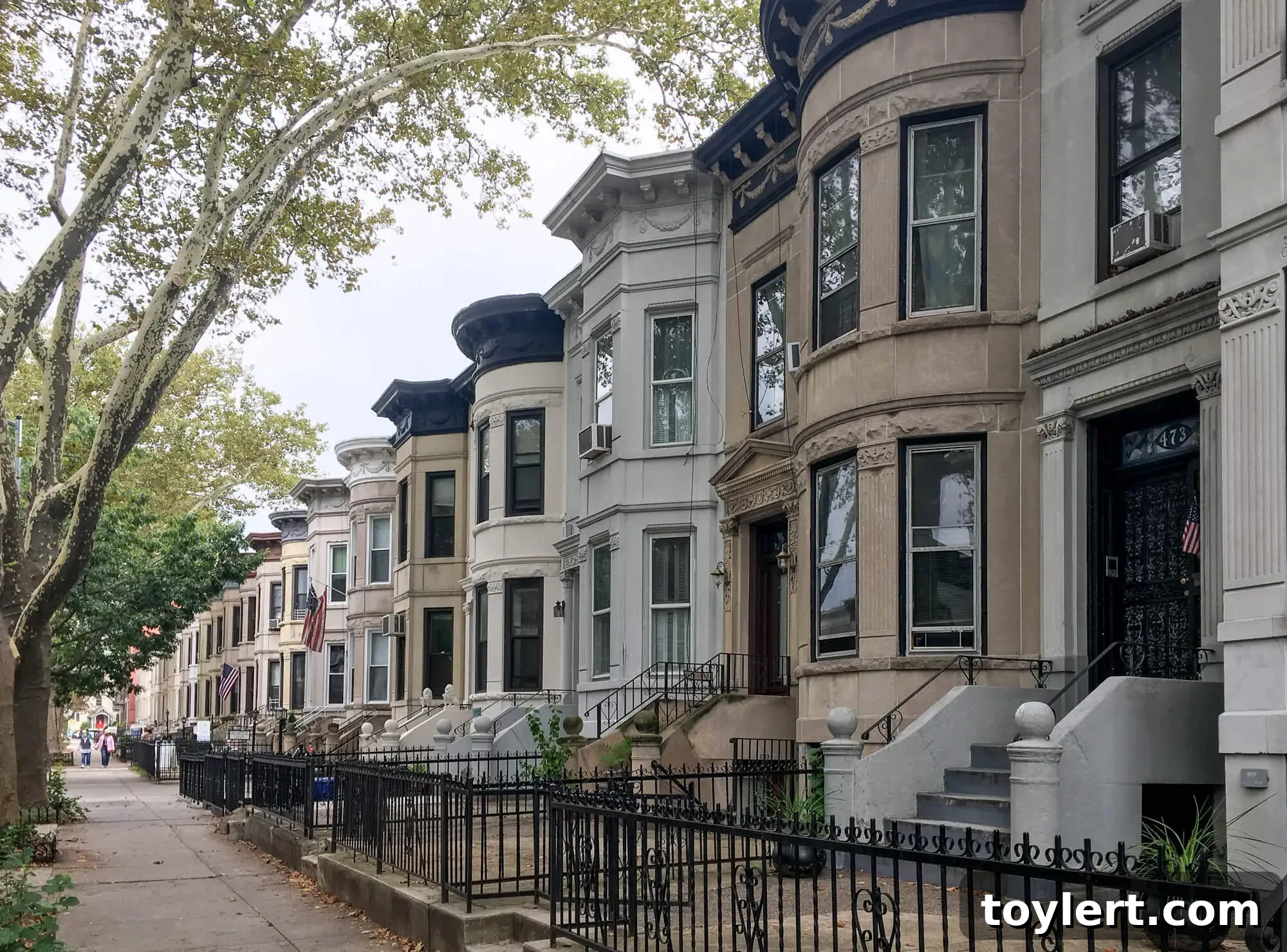
Nestled within the vibrant, tree-lined streets of Bay Ridge, Brooklyn, a distinctive stretch of limestone row houses known as Doctors’ Row has stood as a testament to early 20th-century architectural grandeur for over a hundred years. This elegant block, characterized by its unique barrel-fronted facades and intricate detailing, is now on the precipice of a significant milestone: potential designation as a historic district by New York City. This monumental effort is the culmination of tireless advocacy by the local block association, supported by the formidable expertise of the Historic Districts Council, all working to safeguard a crucial piece of Bay Ridge’s enduring architectural heritage.
The 400 block of Bay Ridge Parkway, specifically the section between 4th and 5th Avenues, is currently under rigorous review by the city’s Landmarks Preservation Commission (LPC). This esteemed body is meticulously assessing Doctors’ Row for its architectural, historical, and cultural significance, a critical step towards granting it official historic district status. Should the designation be approved, the structures comprising Doctors’ Row would gain invaluable protection against demolition and insensitive alterations. This preservation measure is paramount to maintaining the aesthetic integrity and historical narrative of one of the neighborhood’s most visually striking and historically significant residential blocks, ensuring its unique character endures for future generations.
A Glimpse into Bay Ridge’s Architectural Heritage
Bay Ridge, a neighborhood celebrated for its stunning waterfront views, diverse community, and rich history, boasts an eclectic mix of architectural styles. From Victorian mansions to brick row houses, the area reflects various periods of New York City’s development. Doctors’ Row, however, holds a special place within this tapestry. Built primarily in the early 1900s, these homes represent a period of significant expansion and prosperity in Brooklyn. The use of robust limestone, a material often associated with luxury and permanence, along with the distinct barrel-front designs, sets these residences apart. They embody an era when craftsmanship and architectural embellishment were highly valued, creating streetscapes that exuded sophistication and charm. Each building tells a story of the past, offering a tangible link to the lives and aspirations of those who first called Bay Ridge home.
The neighborhood’s identity is deeply intertwined with its built environment. Preserving architectural gems like Doctors’ Row is not merely about saving old buildings; it’s about safeguarding the very essence of what makes Bay Ridge unique. It protects the visual character that residents cherish, maintains the historical context that educates new generations, and ensures that the architectural legacy contributes to a strong sense of place and community pride. Without such protections, the distinct charm and historical narrative of the area would be vulnerable to the pressures of modern development, potentially eroding the very qualities that define Bay Ridge.
The Enduring Charm and History of Doctors’ Row
The moniker “Doctors’ Row” itself speaks volumes about the historical significance of this particular block. During the early to mid-20th century, it was common for prominent medical professionals and their families to reside in these elegant, spacious homes, often using a portion of their residence as an office or clinic. This trend gave the block its enduring nickname, reflecting a period when physicians were integral figures within the local community, often living and practicing within walking distance of their patients. These homes were designed not just for comfort and aesthetics but also to project an air of professionalism and stability befitting their esteemed occupants.
Architecturally, Doctors’ Row is a prime example of the classical revival styles prevalent in the early 1900s. The barrel-fronted facades, a distinctive feature, are essentially bowed fronts that extend from the main building line, creating a rounded, elegant protrusion. This design element not only adds visual interest and a sense of grandeur but also maximizes interior space and allows for greater light penetration through bay windows. The choice of limestone as the primary material lends a timeless quality, its light color providing a striking contrast to the darker elements of the streetscape and contributing to a cohesive, upscale aesthetic across the entire block. Intricate decorative elements, such as cornices, lintels, and ornate window surrounds, further enhance the architectural richness, showcasing the skilled craftsmanship of the era. Each building, while unique in its subtle details, contributes to a harmonious and unified streetscape that is both imposing and inviting.
The Path to Historic Designation: A Community-Driven Effort
Achieving historic district status is a rigorous and often lengthy process, requiring substantial evidence of architectural and historical merit, coupled with strong community support. The Landmarks Preservation Commission (LPC) is the municipal agency responsible for identifying and protecting the city’s architecturally, historically, and culturally significant buildings and sites. Their review involves extensive research into the history of the buildings, their architectural styles, and their contribution to the neighborhood’s development. This meticulous process ensures that only truly deserving areas receive the designation, safeguarding their integrity against future development pressures.
The driving force behind this initiative for Doctors’ Row has been the dedicated efforts of the local block association. These grassroots organizations play a vital role in identifying cherished local landmarks and mobilizing residents. Their advocacy involves gathering historical documentation, coordinating with preservation experts, and demonstrating widespread community desire for preservation. Their partnership with the Historic Districts Council (HDC) has been instrumental. The HDC is a citywide advocate for New York’s historic neighborhoods and a non-profit organization that provides crucial technical assistance, guidance, and strategic support to communities navigating the complex preservation process. Together, these groups have championed the cause of Doctors’ Row, articulating its importance and demonstrating why its preservation is not just a local issue, but a matter of citywide architectural significance.
Why Preservation Matters: Benefits of Historic District Status
The designation of Doctors’ Row as a historic district would bring a multitude of benefits, extending far beyond the immediate aesthetics of the block. Foremost among these is the protection it offers against demolition. In a rapidly developing city like New York, older buildings are frequently at risk from developers seeking to replace them with new, often larger, structures. Historic district status acts as a powerful deterrent, requiring any proposed changes to exterior features to undergo rigorous review by the LPC, ensuring they are appropriate and consistent with the district’s character.
Beyond protection, historic designation helps maintain and enhance neighborhood character. It fosters a stable, visually appealing environment that often leads to increased property values and desirability. For residents, it offers a sense of pride and community cohesion, knowing that their shared heritage is safeguarded. Moreover, historic districts contribute to the city’s cultural tourism, attracting visitors interested in architecture and history, thereby boosting local economies. From an educational standpoint, these districts serve as living museums, providing invaluable insights into urban development, architectural styles, and the social history of New York City. They connect us to our past, providing a physical link to the stories and lives that shaped our present.
A Community United for Preservation
The ongoing review of Doctors’ Row by the LPC represents a pivotal moment for Bay Ridge. It underscores the power of community activism and the shared commitment to protecting invaluable historical assets. The passion and perseverance demonstrated by the block association, in collaboration with the Historic Districts Council, highlight a broader appreciation for the built environment and its role in shaping local identity. Their vision is not just to preserve buildings but to protect the unique fabric of a neighborhood that has nurtured generations of New Yorkers.
This initiative serves as an inspiring example for other communities facing similar challenges of development versus preservation. It emphasizes that with concerted effort, expert guidance, and a collective voice, local treasures can be recognized and protected, ensuring that the unique charm and historical depth of New York City’s diverse neighborhoods continue to thrive. The future of Doctors’ Row, with its elegant limestone facades and rich history, now rests with the Landmarks Preservation Commission, with the community holding its breath in anticipation of a decision that will safeguard a century of architectural legacy.
Safeguarding a Century of History for Future Generations
The potential historic district designation for Doctors’ Row is more than a bureaucratic formality; it is a profound declaration of value. It asserts that this elegant limestone row, with its distinctive barrel-fronted homes and deep historical roots, is essential to the identity of Bay Ridge and a significant part of Brooklyn’s architectural narrative. By protecting these structures, the city will not only honor the past but also invest in the future, ensuring that the beauty and stories of Doctors’ Row continue to inspire and enrich the lives of residents and visitors for centuries to come.