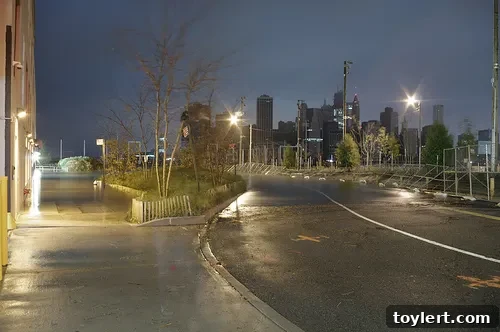
Reshaping Waterfront Development: The Pier One Project in a Post-Sandy Era
The devastating impact of Hurricane Sandy in 2012 served as a stark, undeniable wake-up call for coastal cities, particularly New York. The storm exposed critical vulnerabilities in urban infrastructure, residential buildings, and public spaces, prompting a profound re-evaluation of how we approach development in flood-prone areas. In the heart of Brooklyn, at the picturesque Pier One within Brooklyn Bridge Park, a significant hotel and residential project slated for development by Toll Brothers and Starwood is undergoing a crucial re-design, directly addressing the lessons learned from Sandy’s destructive path. This ambitious project, initially envisioned as a landmark addition to the Brooklyn waterfront, is now poised to become a pioneering example of resilient urban design, albeit with significant modifications that are reshaping its timeline and initial blueprint.
The original plans for the Pier One complex promised a luxurious blend of hotel accommodations and high-end residential units, meticulously integrated into the fabric of Brooklyn Bridge Park. This development was intended not only to provide stunning views and premium living spaces but also to contribute to the economic vitality and public amenities of the park itself. However, the relentless storm surge and widespread flooding witnessed across New York City’s waterfront areas compelled the developers, in collaboration with city planners and architectural teams, to reconsider every aspect of the project’s design through the lens of long-term resilience and flood mitigation. The core of this re-evaluation centers on a critical decision: to elevate both the hotel and residential buildings by at least three feet, a seemingly modest adjustment that carries profound implications for construction, aesthetics, and future safety.
The Imperative of Resilience: Learning from Hurricane Sandy
Hurricane Sandy’s ferocious sweep through the East Coast brought unprecedented destruction to New York City’s coastal communities. Miles of waterfront property, including vast sections of Brooklyn, Staten Island, and Queens, were inundated by historic storm surges. Power outages, structural damage, and the displacement of thousands became a grim reality, forcing city officials, developers, and residents alike to confront the harsh realities of climate change and extreme weather events. The storm highlighted that traditional building codes and development practices were often inadequate for the challenges posed by a warming climate and rising sea levels. Post-Sandy, a paradigm shift occurred in urban planning, emphasizing the critical need for adaptive strategies that integrate resilience into the very foundation of new construction, particularly in sensitive waterfront locations.
Brooklyn Bridge Park, a crown jewel of urban renewal and public recreation, found itself directly in Sandy’s path. While the park itself showed remarkable resilience in many areas, the adjacent properties and infrastructure experienced significant challenges. This direct exposure underscored the importance of ensuring that any new development within or near the park must not only enhance the community but also withstand future environmental threats. The decision by Toll Brothers and Starwood to proactively re-engineer their Pier One project reflects this broader societal and governmental shift towards building smarter, safer, and more sustainably in the face of escalating climate risks. It’s no longer just about aesthetics or maximizing square footage; it’s about enduring the unpredictable forces of nature and safeguarding investments and lives.
Strategic Elevating: A New Foundation for Flood Protection
The proposed three-foot elevation for both structures at Pier One is far more than a simple architectural tweak; it’s a foundational strategic move aimed at fundamentally altering the buildings’ vulnerability to future flooding events. By raising the ground floor levels, the developers intend to place critical building components and habitable spaces above anticipated flood zones, significantly reducing the risk of water ingress and associated damage. This approach aligns with evolving FEMA flood maps and city building codes that increasingly mandate higher elevation standards for new construction in designated floodplains. However, this elevation necessitates several cascading design changes that impact various aspects of the development.
One primary consequence is the introduction of additional steps and ramps to access the building lobbies. While ensuring accessibility and meeting ADA compliance will be paramount, these additions will subtly alter the pedestrian interface with the buildings and the park. Architects must ingeniously integrate these access points to maintain an inviting and aesthetically pleasing entry sequence, ensuring they complement rather than detract from the overall design. Furthermore, the decision to relocate vital mechanical systems – including HVAC units, electrical panels, and utility infrastructure – from potentially flood-prone basements or ground levels to the rooftops represents another critical protective measure. This strategic relocation ensures that the operational heart of the buildings remains functional even during severe flooding, mitigating the risk of long-term power outages and system failures that plagued many buildings during Hurricane Sandy.
Another significant revision involves the basement area. Traditionally, basements in urban developments might house a mix of mechanical rooms, storage, and sometimes parking. In the redesigned Pier One project, the basement is now specifically earmarked for parking. While basements can still be vulnerable to groundwater seepage and extreme storm surges, designing them solely for parking, with robust waterproofing and potentially sacrificial ground-level elements, reduces the risk to essential services. This focus allows for greater flexibility in emergency response and recovery compared to having critical operational systems located below grade in a flood zone. These comprehensive adjustments highlight a forward-thinking approach to urban coastal development, prioritizing safety and long-term viability over speed or conventional construction methods.
Navigating Delays and Design Challenges in Waterfront Construction
Implementing such significant design changes post-initial planning inevitably introduces complexities and delays. The groundbreaking for the Pier One project, originally scheduled for this month, has been pushed back as developers and architects meticulously refine the new blueprints. These delays are not merely administrative; they involve re-engineering structural elements, re-evaluating material choices, and ensuring compliance with updated regulatory standards. The financial implications are also substantial, as elevated foundations, relocated mechanical systems, and extended timelines often translate into increased construction costs. These additional expenses must be carefully managed and potentially absorbed into the project’s overall budget, which could, in turn, influence the final pricing of the residential units and hotel room rates.
Beyond the logistical hurdles, integrating the raised structures seamlessly into the urban landscape presents a unique design challenge. Brooklyn Bridge Park is renowned for its organic integration with the waterfront and its accessible public spaces. Architects must ensure that the elevated buildings do not appear imposing or disconnected from their surroundings. This requires innovative design solutions that blend the necessary resilience measures with an aesthetic that complements the park’s natural beauty and the historic character of Brooklyn Heights. The goal is to create buildings that are not only storm-proof but also visually harmonious and inviting, ensuring the development enhances the park experience for all visitors and residents.
Community Perspectives: Balancing Development with Precaution
The changes proposed for the Pier One development have understandably stirred a range of reactions within the local community, particularly among long-term residents of Brooklyn Heights. While many recognize the necessity of flood mitigation in a post-Sandy world, not all are convinced by the effectiveness or desirability of the current proposal. The New York Post highlighted the sentiments of a resident, encapsulating the ‘Not In My Backyard’ (NIMBY) perspective, who expressed profound skepticism: “the lesson of Sandy is it will happen again, and when it happens, it will be really bad for those residents who wind up buying condos there.” This quote underscores a deep-seated apprehension that mere elevation might not be enough to truly safeguard against future, potentially more severe, climate events.
This community concern is multi-faceted. Some residents might worry that even with elevated structures, the surrounding infrastructure – including roads, utilities, and public transport – remains vulnerable, potentially isolating the new development during a major storm. Others may harbor aesthetic concerns, fearing that taller, elevated buildings might disrupt views, cast longer shadows, or simply look out of place in their cherished neighborhood. There’s also the fundamental question of whether building directly in a flood zone, even with mitigation, is a responsible long-term strategy for coastal urban areas. These discussions highlight the ongoing tension between the economic impetus for development, the pressing need for resilience, and the desire to preserve community character and safety. Developers must engage transparently with these concerns, demonstrating not only the technical soundness of their plans but also their commitment to being responsible neighbors.
The Broader Implications for Coastal Urban Planning and Climate Change Adaptation
The Pier One project, with its post-Sandy redesign, serves as a crucial microcosm for the larger challenges facing coastal urban planning globally. As climate change continues to manifest through rising sea levels and more frequent, intense weather events, cities worldwide are grappling with how to protect their valuable waterfront assets and populations. The strategies employed at Pier One – building elevation, strategic relocation of critical infrastructure, and careful consideration of access – are becoming standard practice, but they are not without debate. Should cities invest heavily in hardening their coastlines and elevating new construction, or should there be a more profound shift towards managed retreat from the most vulnerable areas?
New York City itself is a leader in exploring various resilience initiatives, from the ambitious “BIG U” project designed to protect Lower Manhattan with integrated flood barriers and public spaces, to revised building codes across the five boroughs. The Pier One development contributes to this evolving narrative by demonstrating how individual projects can integrate sophisticated adaptive measures. It highlights the complex interplay between private development interests, public safety mandates, and community expectations. The success or challenges faced by this Brooklyn Bridge Park complex will offer invaluable lessons for future waterfront developments, influencing how other cities balance growth with the undeniable imperatives of climate change adaptation. It underscores that resilient design is no longer an optional add-on but an intrinsic, indispensable component of responsible urban development in the 21st century.
Conclusion: A Blueprint for a Resilient Future
The redesigned Pier One hotel and residential complex in Brooklyn Bridge Park stands as a powerful symbol of New York City’s commitment to resilience in the face of a changing climate. Born from the lessons of Hurricane Sandy, the collaborative efforts of Toll Brothers and Starwood to elevate structures, relocate critical systems, and rethink foundational design elements exemplify a proactive approach to coastal urban development. While these modifications introduce new complexities, including project delays and aesthetic considerations, they represent a vital step towards safeguarding future residents and investments from the escalating threats of storm surges and sea-level rise.
This project is more than just a building; it’s a living case study that will undoubtedly inform future discussions on sustainable and resilient urban planning. It highlights the delicate balance between fostering economic growth, responding to environmental imperatives, and addressing legitimate community concerns. As construction proceeds, the Pier One development will be closely watched, offering valuable insights into how cities can adapt, innovate, and thrive along their vulnerable coastlines, crafting a more secure and resilient future for generations to come. It truly represents a blueprint for a resilient future, setting a new standard for waterfront development in an era defined by climate consciousness.
Source: Developers Want to Raise Proposed Brooklyn Bridge Park Complex [NY Post]