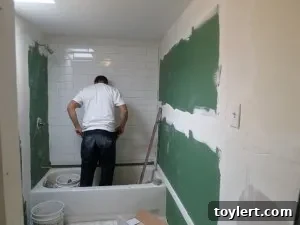
Navigating Your Fixer-Upper Renovation: Choosing a Contractor with an FHA 203K Loan
Embarking on the journey of transforming a fixer-upper into your dream home is an exciting, yet often daunting, prospect. When I announced my decision to purchase a property in Bed Stuy with the intention of a full renovation, the initial reactions were a mix of enthusiasm and caution. One consistent piece of advice, or perhaps more accurately, a warning, revolved around the infamous contractor experience. Tales of unreliable professionals, budget overruns, and never-ending delays were plentiful, naturally leaving me a little apprehensive about finding the right team for my ambitious project.
However, the challenge was compounded by the fact that this wasn’t just any renovation; it was financed through an FHA 203K loan. This specific type of loan, designed to help homebuyers finance both the purchase and rehabilitation of a property, comes with its own stringent set of rules and a unique process for contractor selection. Understanding this framework is not just beneficial, but absolutely critical for a smooth and successful renovation. This guide will walk you through the intricacies of choosing a qualified and reliable contractor when utilizing an FHA 203K loan, turning potential apprehension into informed confidence.
Understanding the FHA 203K Loan: Your Renovation Partner
Before diving into the contractor selection, it’s vital to grasp the essence of the FHA 203K loan itself. This government-backed mortgage allows you to roll the cost of home improvements into your home loan. It’s an invaluable tool for purchasing properties that might otherwise be overlooked due to their condition, making homeownership accessible and enabling significant upgrades from day one. There are two main types: the Limited 203K for minor cosmetic or non-structural repairs (up to $35,000) and the Standard 203K for more extensive structural renovations, including foundation work, major plumbing, electrical, and roofing projects.
The primary benefit of an FHA 203K loan is its ability to provide renovation funds with a single mortgage, often at lower interest rates and with more lenient qualification requirements compared to traditional construction loans or personal loans. However, this flexibility comes with strict oversight, particularly concerning the work to be performed and the contractors involved. This oversight is primarily facilitated by a mandatory 203K consultant.
The Pivotal Role of the 203K Consultant
The FHA 203K process begins not with a contractor, but with an FHA-approved 203K consultant. This individual is your project’s guardian angel, tasked with ensuring the renovation plan meets FHA standards, is cost-effective, and ultimately enhances the property’s value and safety. Their role is multi-faceted and crucial to the success of your project:
- Initial Assessment and Work Specification: The consultant conducts a thorough inspection of the property, identifying all necessary repairs and improvements. This includes structural integrity, safety concerns, code compliance (e.g., electrical upgrades, plumbing modernization, roof replacement, HVAC systems), and energy efficiency improvements. They differentiate between mandatory repairs (essential for habitability and FHA compliance) and optional, cosmetic upgrades you desire.
- Detailed Project Scope: Based on their assessment and your renovation aspirations, the consultant will prepare a comprehensive “Work Write-Up” or “Specification of Repairs.” This document meticulously outlines every piece of work to be completed, detailing materials, methods, and specific requirements. It serves as the definitive blueprint for your entire renovation.
- Cost Estimation: Alongside the work specification, the consultant provides an estimated cost for each line item. This estimate is vital for determining the total loan amount and ensuring the proposed work falls within FHA guidelines and your budget.
- Contractor Bid Package Preparation: The consultant plays a direct role in the contractor selection process by preparing two versions of their report. One version includes the detailed work outline along with the estimated costs – this is for your reference and the lender’s. The second, crucial version contains only the comprehensive outline of the work to be done, without any cost figures. This “blind” report is what you will provide to prospective contractors for bidding, ensuring they submit their independent, competitive pricing.
It is this consultant’s report, especially the version without costs, that becomes the cornerstone of your contractor search and selection.
Finding and Vetting FHA 203K Approved Contractors
With the consultant’s detailed work write-up in hand, the next critical step is to find qualified contractors who are not only capable but also experienced with FHA 203K loans. This isn’t a task to be rushed; thorough due diligence is paramount.
Where to Look for Reputable Contractors:
- FHA Lender Recommendations: Your FHA loan officer may have a list of approved or frequently used contractors who are familiar with the 203K process.
- 203K Consultant Referrals: Your consultant often works with several contractors and can provide recommendations based on their experience and track record with similar projects.
- Local Referrals: Ask friends, family, and neighbors who have completed significant renovations, particularly if they used a 203K loan. Personal recommendations are incredibly valuable.
- Online Directories & Associations: Websites like the National Association of Home Builders (NAHB) or local building associations can provide lists of licensed professionals. Always verify licenses and insurance.
- Community Forums: Local online groups or forums for areas like Bed Stuy can offer insights and recommendations from residents who have undergone similar renovation projects in the neighborhood.
Essential Contractor Requirements for FHA 203K:
For a contractor to work on an FHA 203K project, they typically must meet several key criteria:
- Licensing and Insurance: They must be fully licensed and insured (liability and workers’ compensation) according to state and local regulations. This protects both you and the contractor.
- Experience: Demonstrated experience with FHA 203K loans and similar renovation scopes is highly preferred. This familiarity ensures they understand the specific paperwork, inspection schedules, and draw processes.
- Financial Stability: Contractors must prove they have the financial capacity to undertake the project without relying solely on upfront payments from the homeowner (which is often restricted with 203K loans).
- References: Always request and thoroughly check references from previous 203K clients. Speak to them about the contractor’s communication, adherence to budget and schedule, and overall satisfaction.
The Contractor Bidding Process
Once you have a shortlist of potential contractors, it’s time to initiate the bidding process. The FHA generally requires a minimum of two bids, but it’s often advisable to secure three or more to ensure competitive pricing and a broader comparison.
- Distribute the Consultant’s Report (Cost-Free Version): Provide each contractor with the detailed work write-up from your 203K consultant that *does not* include estimated costs. This ensures all contractors bid on the exact same scope of work, promoting transparency and fairness.
- Site Visits: Schedule individual site visits for each prospective contractor. This allows them to physically assess the property, ask questions, and gain a clear understanding of the project’s complexities.
- Request Detailed Bids: Insist on comprehensive, itemized bids that break down costs for labor, materials, permits, and any subcontractors. The bid should clearly align with the line items in the consultant’s report. Ask for a proposed timeline, payment schedule (which will be subject to 203K draw schedules), and material allowances.
- Open Communication: Encourage contractors to ask questions and be prepared to clarify any aspects of the consultant’s report. A contractor who asks insightful questions often demonstrates thoroughness.
Evaluating and Selecting Your Contractor
Receiving multiple bids can be overwhelming. Your selection should not solely be based on the lowest price. A cheaper bid can often lead to costly change orders or subpar work down the line. Consider these factors:
- Alignment with Consultant’s Estimate: Compare the bids against the 203K consultant’s cost estimates. Significant deviations (either too high or too low) warrant further investigation. An exceptionally low bid might indicate corners being cut or a lack of understanding of the 203K process.
- Experience and Specialization: Does the contractor have specific experience with the type of work your Bed Stuy fixer-upper requires (e.g., historic renovations, specific structural issues)?
- Communication Style: Is the contractor responsive, clear, and professional in their communication? This is crucial for managing a complex project.
- References and Portfolio: Beyond just calling references, look at their past work. Do they have a portfolio of similar projects?
- Contract Clarity: Review the proposed contract thoroughly. Does it detail everything, including scope, timeline, payment schedule, change order process, and warranties?
- Interview Process: After narrowing down your choices, conduct in-depth interviews. Ask about their project management approach, how they handle unexpected issues, and their availability.
Once you’ve made your selection, the chosen contractor’s bid and contract will be reviewed by your 203K consultant and the FHA lender. They will ensure everything complies with FHA regulations before final approval. This multi-layered review process adds an extra layer of protection and assurance to your renovation.
Managing Your 203K Renovation Project
Even after selecting an excellent contractor, the journey doesn’t end there. Managing a 203K renovation involves continuous communication with your contractor, your 203K consultant, and your lender. Funds are released in “draws” based on completed work and verified by the consultant through inspections. This structured payment system protects both you and the lender, ensuring work is done to standard before payments are disbursed.
While the initial steps of securing the loan and choosing a contractor for your Bed Stuy fixer-upper might seem intricate, remember that each stage is designed to protect your investment and ensure a high-quality outcome. The FHA 203K loan, coupled with the expert guidance of your consultant and a carefully vetted contractor, provides a robust framework for transforming an old house into a beautiful, safe, and valuable home.
Conclusion: A Rewarding Transformation
The path to renovating a fixer-upper with an FHA 203K loan, especially in a vibrant neighborhood like Bed Stuy, is undoubtedly a detailed one. From the initial warnings about contractors to navigating the specific requirements of federal lending programs, every step demands attention and informed decision-making. However, by understanding the role of your 203K consultant, diligently vetting contractors, and meticulously evaluating bids, you equip yourself with the tools for success.
What initially felt like a daunting task of finding a “reputable contractor” morphed into a structured, supported process thanks to the FHA 203K framework. The result is not just a renovated house, but a home built on a foundation of careful planning, professional execution, and ultimately, peace of mind. Your Bed Stuy dream home, once a distant vision, can become a tangible reality through this strategic approach to renovation and contractor selection.