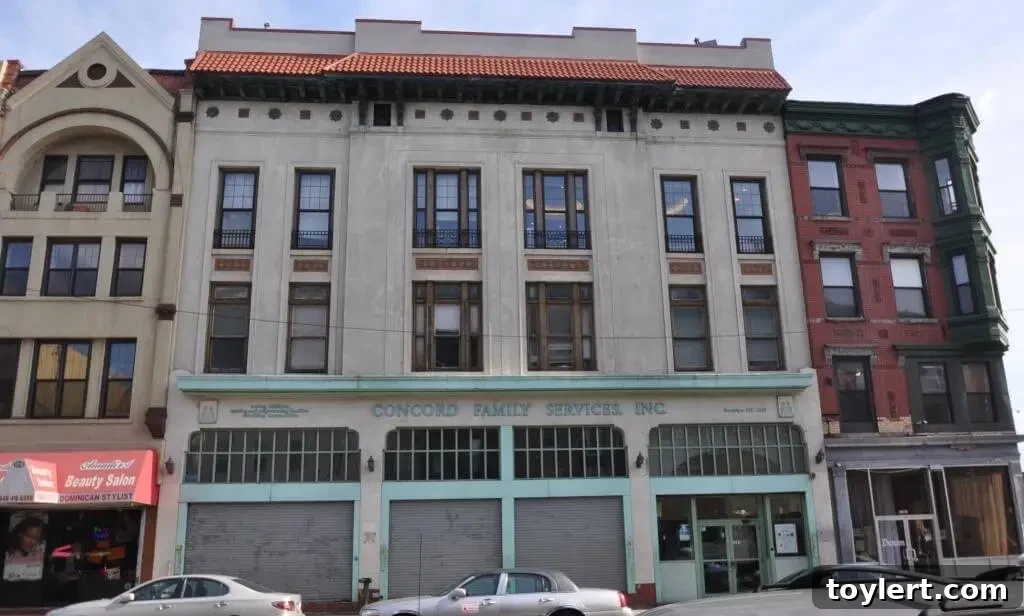
Community Unites Against Proposed Homeless Shelter at 1217 Bedford Avenue in Bed Stuy
The vibrant and historically rich neighborhood of Bed Stuy, Brooklyn, is currently grappling with a contentious issue that has galvanized local residents: the proposed development of a new homeless shelter at 1217 Bedford Avenue. Situated in what was formerly an office building, this plan has sparked significant opposition, leading to a community-wide effort to halt its progress. A petition circulating among residents eloquently captures their collective sentiment and concerns regarding the project’s potential impact on the neighborhood.
The proposal outlines a facility designed to accommodate 50 individuals in a traditional shelter setting, complemented by a drop-in center capable of serving an additional 75 people. While the need for addressing homelessness in New York City is undeniable, the location and scale of this particular project have become central points of contention for those who call Bed Stuy home. This proposed shelter is seen by many as another instance of the neighborhood bearing a disproportionate burden in the city’s ongoing efforts to house its unhoused population, fueling a robust debate about equitable distribution of resources and services across the five boroughs.
The Heart of the Opposition: A Question of Fairness
At the core of the community’s resistance is a deeply held belief that Bed Stuy already hosts more than its fair share of homeless shelters. This sentiment is not merely anecdotal; residents frequently point to the existing network of facilities within their community as evidence of an uneven distribution. Omar Walker, a lifelong Bed Stuy resident, architect, and one of the principal authors of the petition, articulated this concern powerfully. “This disproportionate amount of shelters here over other districts is mind-boggling and begins to call into question racial and social economic injustice,” Walker stated, highlighting the profound implications beyond just neighborhood aesthetics or property values.
Walker’s statement resonates with many, suggesting that the concentration of social services in predominantly Black and brown communities like Bed Stuy is not just a logistical choice but potentially indicative of deeper systemic inequities. For years, communities like Bed Stuy have been at the forefront of urban development and social change, often absorbing the impacts of city-wide policies in ways that more affluent neighborhoods do not. This historical context provides a crucial backdrop to the current opposition, framing it not just as a NIMBY (“Not In My Backyard”) stance, but as a demand for justice and equitable treatment.
Understanding the Proposed Facility at 1217 Bedford Avenue
The building earmarked for the new shelter, located at 1217 Bedford Avenue, was previously an office building, a fact that contributes to the community’s concern about its suitability for a residential facility of this nature. The proposed capacity – 50 beds for overnight shelter residents and a drop-in center for 75 people during the day – represents a significant influx of individuals into an already densely populated residential and commercial area. While proponents argue that repurposing existing structures is an efficient way to address the housing crisis, opponents question whether this specific building and location are truly appropriate for such an intensive use.
A drop-in center, by its nature, serves as a non-residential point of contact for individuals experiencing homelessness, providing services like meals, showers, laundry, and access to case management. While vital for those in need, the daily ebb and flow of a large number of individuals can raise concerns among long-term residents regarding neighborhood dynamics, public safety, and the overall quality of life in the immediate vicinity. These are not minor concerns, but rather deeply felt issues rooted in the lived experience of maintaining a stable and thriving community.
Community Concerns: Beyond the Numbers
The opposition to the 1217 Bedford Avenue shelter goes beyond simple statistics about shelter numbers. Residents express a range of anxieties that, while sometimes difficult to quantify, are deeply impactful on their sense of community and security:
-
Public Safety and Quality of Life:
Many residents fear an increase in loitering, panhandling, and petty crime, even if data often shows that shelters do not significantly impact local crime rates. These perceptions, whether fully supported by evidence or not, are real concerns that affect how people feel about their neighborhood. There are also worries about sanitation, noise levels, and the maintenance of public spaces around the proposed facility.
-
Strain on Local Resources:
Bed Stuy’s infrastructure, from its public schools and healthcare facilities to its sanitation services and local law enforcement, already serves a large and growing population. Residents worry that a new shelter, particularly one with a drop-in center, will place additional strain on these vital resources, potentially compromising the quality of services for everyone.
-
Property Values and Economic Impact:
A common concern in neighborhoods facing new shelter proposals is the potential negative impact on local property values and the economic vitality of nearby businesses. While economists often debate the actual long-term effects, the perception of diminished property values can be a powerful motivator for community opposition.
-
Lack of Meaningful Community Engagement:
A recurring complaint among Bed Stuy residents, and indeed in many communities facing similar proposals, is the perceived lack of genuine dialogue and transparency from city agencies. Many feel that decisions are made without adequate community input or without seriously considering alternative solutions proposed by local stakeholders. This lack of engagement can erode trust and foster resentment, making any proposed project a battleground rather than a collaborative effort.
The Broader Context: Homelessness in New York City
New York City faces an ongoing and immense challenge with homelessness. The city operates under a “right to shelter” mandate, meaning it must provide shelter to anyone who requests it, a crucial safety net that sets NYC apart from many other major cities. This mandate, while humanitarian, places significant pressure on the city to continuously find and establish new shelter locations. On any given night, tens of thousands of individuals, including families with children, find themselves in the city’s shelter system.
The Department of Homeless Services (DHS) is tasked with identifying suitable locations for new shelters, often focusing on areas with available commercial buildings or properties that can be quickly converted. This often leads to proposals in neighborhoods like Bed Stuy, which have a diverse building stock and, often, a historical precedent of hosting social services. While the city emphasizes the urgent need for beds and services, community residents emphasize the need for thoughtful, equitable placement that considers the existing fabric of a neighborhood.
Seeking Common Ground: Solutions and Dialogue
The conflict in Bed Stuy highlights a critical tension: the undeniable need to address homelessness versus the legitimate concerns of established communities. Finding a path forward requires more than just imposing solutions; it demands genuine dialogue, innovative thinking, and a commitment to equity. Potential avenues for resolution could include:
-
Diversified Housing Solutions:
Instead of large-scale traditional shelters, the city could prioritize diverse housing models, such as smaller, scattered-site shelters, permanent supportive housing units, or rapid rehousing initiatives that help individuals transition quickly into stable, independent living. These models can often integrate more seamlessly into communities.
-
Enhanced Community Engagement:
Proactive engagement with community boards, resident associations, and local leaders from the earliest stages of a project can foster trust and allow for local input to shape proposals. This includes transparent communication about the shelter’s operational plans, security measures, and how it will integrate with existing community resources.
-
Investment in Supporting Services:
When a shelter is placed in a community, it should be accompanied by increased investment in local resources—schools, sanitation, mental health services, and community centers—to mitigate any potential strain and benefit all residents.
-
Focus on Workforce Development and Integration:
Shelters are not just places to sleep; they are crucial hubs for connecting individuals with job training, educational opportunities, and mental health support. Emphasizing the rehabilitative and integrative aspects of shelters can help dispel misconceptions and show how these facilities can contribute positively to the community.
The Power of the Petition
The petition against the 1217 Bedford Avenue shelter serves as a crucial tool for community advocacy. By gathering signatures and articulating specific concerns, residents aim to present a unified front to elected officials, including the Mayor and local representatives. Online petitions, like the one hosted on Change.org, offer an accessible platform for individuals to voice their opinions, raise awareness, and apply pressure on decision-makers. The success of such a petition often lies not just in the sheer number of signatures, but in its ability to highlight the depth of local sentiment and the specific arguments against a proposal, forcing a reevaluation of the plans.
This organized resistance underscores the democratic process at a local level, demonstrating how residents can actively participate in shaping their neighborhoods’ future. It forces city agencies and developers to contend with a well-informed and mobilized populace, emphasizing that community well-being must be a central consideration in urban planning and social service provision.
Conclusion: Navigating a Complex Landscape
The proposed homeless shelter at 1217 Bedford Avenue in Bed Stuy represents a microcosm of a larger, city-wide challenge. It pits the urgent humanitarian need to shelter the homeless against the legitimate concerns of a community striving for equitable development and a preserved quality of life. The residents of Bed Stuy, led by voices like Omar Walker, are not simply rejecting help for those in need; they are calling for a more thoughtful, transparent, and just approach to addressing homelessness that respects the existing fabric of their neighborhood and corrects historical imbalances.
As the debate continues, the focus must remain on fostering productive dialogue between all stakeholders – city officials, shelter providers, and the dedicated residents of Bed Stuy. Only through genuine collaboration and a commitment to innovative, community-sensitive solutions can New York City hope to adequately address its homelessness crisis while simultaneously empowering and sustaining its diverse and dynamic neighborhoods.