Bed-Stuy’s Booming Brownstones: Unpacking the Rapid Property Flipping Trend
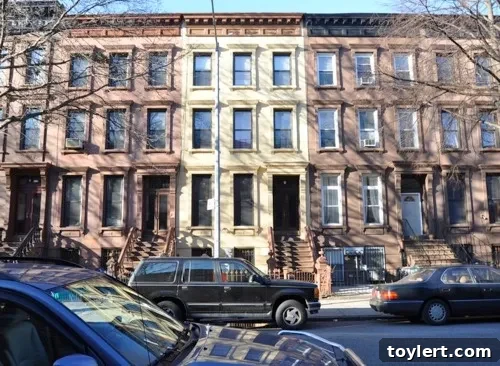
Bedford-Stuyvesant, affectionately known as Bed-Stuy, stands as one of Brooklyn’s most architecturally rich and historically significant neighborhoods. Known for its picturesque tree-lined streets adorned with majestic brownstones and grand townhouses, Bed-Stuy has long been a coveted residential area, admired for its distinctive charm and enduring character. In recent years, however, the area’s real estate market has ignited, exhibiting a rapid and often dizzying pace of property transactions. This intense activity, characterized by quick turnarounds and substantial price increases, has brought the practice of property flipping into sharp focus, raising pertinent questions about market sustainability, seller awareness, and the evolving landscape of this iconic Brooklyn community.
The trend is particularly pronounced in areas like Jefferson Avenue, which fall within the boundaries of the proposed Bedford Historic District. This designation underscores the neighborhood’s unique architectural legacy, featuring exquisite structures designed by renowned architects such as Montrose Morris, Amzi Hill, and George Chappell. These stately homes, with their intricate details, high ceilings, and timeless charm, are not just residences; they are living pieces of Brooklyn’s history. Yet, they are increasingly becoming prime targets for developers and investors eager to capitalize on Bed-Stuy’s burgeoning appeal and the significant value appreciation potential of its historic real estate assets.
The Anatomy of a Flip: Case Studies from Bed-Stuy’s Rapidly Moving Market
The phenomenon of developers acquiring properties at seemingly “middling prices” only to relist them for significantly higher sums, sometimes doubling their investment in a matter of weeks or months, is becoming a hallmark of the Bed-Stuy real estate market. This aggressive investment strategy suggests a profound confidence in the neighborhood’s rapidly appreciating values, yet it also sparks considerable debate about the true nature of these rapid value additions. Often, the speed of these transactions leaves observers wondering about the extent of work actually performed on the properties.
221 Jefferson Avenue: A Swift and Profitable Transformation
One striking example that perfectly encapsulates this trend is the property located at 221 Jefferson Avenue. This particular house garnered significant attention after a rehab company successfully acquired it for approximately $500,000. Astonishingly, within a mere month of the initial purchase, the very same property was back on the market, now boasting an asking price of $1.2 million. The sheer speed of this appreciation, coupled with the notable absence of interior photographs in its original listing, immediately fueled speculation regarding the extent of renovations or improvements that could have been genuinely undertaken in such a short timeframe. While extensive renovation often justifies a substantial price hike after a flip, such rapid turnarounds frequently lead observers to question whether significant structural or aesthetic work was truly completed to warrant such a dramatic increase in value, or if the market itself is simply moving at an unprecedented pace, allowing investors to capitalize on a rising tide.
271 Jefferson Avenue: The Legacy of a George Chappell House
The case of 221 Jefferson Avenue is far from an isolated incident. Preceding it, a distinguished property at 271 Jefferson Avenue, recognized as a notable George Chappell house, also underwent a successful and highly profitable flip, selling for an impressive $1.2 million. This transaction served as a clear signal to many within the real estate community that the Bed-Stuy market was not only ripe for this type of aggressive investment strategy but also validated the potential for significant returns on historically significant properties. George Chappell, a prominent architect of his era, left an indelible mark on Bed-Stuy’s streetscape with his elegant designs. Homes bearing his architectural signature often command premium attention, further contributing to their desirability among both architectural preservationists and profit-driven real estate investors.
106 Hancock Street: Another Indicator of Market Intensity
The burgeoning flipping trend extends beyond the immediate vicinity of Jefferson Avenue, demonstrating a broader market pattern throughout Bed-Stuy. Consider the property at 106 Hancock Street, a home that had previously been featured as a “House of the Day” by the renowned local real estate blog, Brownstoner. This house, too, was subject to a swift flip and quickly entered into contract after just one month on the market, with an asking price of $1.1 million. These collective examples powerfully illustrate a consistent pattern: experienced developers are adeptly identifying underpriced or potentially undervalued historic homes, securing them through efficient transactions, and then strategically reintroducing them to a market demonstrably eager for high-quality Bed-Stuy properties at significantly elevated prices. This rapid sequence of events unequivocally underscores a highly liquid, competitive, and swiftly appreciating real estate environment.
Unpacking the Market Dynamics: Critical Questions and Emerging Insights
The unprecedented speed and scale of these property flips inevitably give rise to a series of critical questions concerning the underlying dynamics of the Bed-Stuy real estate market. Understanding these intricate factors is paramount for both current homeowners contemplating a sale and prospective buyers seeking to wisely navigate this vibrant, yet challenging, landscape.
The Influence of All-Cash Transactions and Mortgage Qualification
One prominent theory put forth to explain the initially “low” purchase prices for some of these flipped properties suggests that many, in their original condition, might not have qualified for traditional mortgage financing. Homes requiring extensive, immediate renovation, or those with significant structural issues, can often present considerable challenges for conventional lenders, making them less accessible to typical homebuyers. This scenario renders such properties particularly attractive to all-cash buyers, who are frequently developers or investment firms. These cash transactions offer sellers a swift, straightforward, and guaranteed sale, often at a discount, precisely because the pool of potential buyers is significantly narrower. Once acquired and potentially given superficial, cosmetic, or essential structural upgrades, these properties become eligible for conventional financing, thereby broadening the buyer base and effectively justifying a substantially higher, market-driven price point.
Are Sellers Underestimating Their Property’s True Value?
Another compelling question revolves around seller awareness, particularly among long-time residents. In such a rapidly accelerating market, are homeowners fully cognizant of their property’s true, and often rapidly appreciating, worth? It is entirely plausible that some sellers, perhaps unfamiliar with the swift shifts in market valuation or influenced by outdated appraisals, might be selling their homes below what they could genuinely command. This inadvertently allows flippers to secure properties at advantageous prices and subsequently reap substantial profits. This scenario could stem from a lack of up-to-date market information, an eagerness for a quick and uncomplicated sale, or a general underestimation of Bed-Stuy’s surging desirability among a new generation of homebuyers and investors.
The Sustainability of the Flipping Trend: How Long Can it Last?
The sustainability of this aggressive and highly profitable flipping trend is a major point of discussion among market observers and community members alike. How long can developers realistically continue to double their investment in such remarkably short periods? As information about current market values becomes increasingly transparent and widely accessible, and as more homeowners witness their neighbors’ properties selling for unprecedented sums, it is highly probable that sellers will naturally begin to adjust their asking prices upwards. This inherent market correction could gradually diminish the exceptionally wide profit margins currently enjoyed by flippers, potentially making quick turnarounds less lucrative and shifting the market towards a more balanced, albeit still strong, rate of appreciation. The critical question remains: at what precise point do Bed-Stuy sellers become savvy enough to “cut out the flippers” by pricing their homes closer to their true market value from the outset, thereby directly capturing the full value of their assets?
The Enduring Allure of Bed-Stuy: More Than Just Bricks and Mortar
Beyond the immediate financial gains highlighted by these market trends, the enduring and profound appeal of Bed-Stuy lies deeply rooted in its rich cultural tapestry and remarkable architectural integrity. The proposed Bedford Historic District plays a pivotal role in this. Official designation would not only solidify the preservation of these exquisite structures against inappropriate alterations but would also significantly enhance property values by formally affirming their historical and aesthetic significance. This designation offers a powerful layer of protection and prestige that actively draws buyers seeking not just a house, but a tangible piece of Brooklyn’s storied past, thoughtfully updated for modern living.
The neighborhood itself offers a vibrant and welcoming community life, an abundance of thriving local businesses, a burgeoning culinary scene with diverse dining options, and convenient, efficient access to Manhattan and other parts of the city. These multifaceted lifestyle factors, combined with the timeless beauty and unique character of its brownstones, collectively create a powerful magnet for discerning homebuyers and astute investors alike. Investors, in particular, recognize this holistic appeal, understanding that the true value of a Bed-Stuy property extends far beyond its structural components; it encompasses the intangible, yet highly desirable, benefits of living in a culturally rich, historically significant, and amenity-rich urban environment.
Navigating Bed-Stuy’s Dynamic Real Estate Landscape
For those considering entering the Bed-Stuy real estate market, whether as prospective buyers or current sellers, navigating its incredibly dynamic landscape requires meticulous diligence, comprehensive research, and informed decision-making. Sellers should proactively and thoroughly research current market values, consult with highly experienced local real estate agents who possess deep neighborhood insights, and fully understand the substantial potential for their homes to command premium prices in today’s market. Buyers, conversely, must be prepared for an intensely competitive environment, act swiftly yet thoughtfully, and conduct extremely thorough property inspections to ensure they are investing wisely in a property that genuinely meets their expectations and long-term financial and lifestyle goals.
The rapid property flipping observed in Bed-Stuy is a clear and undeniable indicator of a neighborhood experiencing intense demand and undergoing significant, multifaceted transformation. While this trend undeniably presents lucrative opportunities for some investors and developers, it also raises important, complex questions about long-term affordability for residents, the ongoing processes of gentrification, and the crucial preservation of Bed-Stuy’s distinctive community character. As Bed-Stuy continues its fascinating evolution, the intricate interplay between its cherished architectural heritage, powerful market forces, and the collective aspirations of its diverse community will undoubtedly shape its future trajectory for many years to come.
Further Reading and Resources:
- Bed-Stuy Flip (Again): 221 Jefferson Avenue [BK to the Fullest]
- George Chappell House Survives Flip, Sells for $1.2M [Brownstoner]
- House of the Day: 106 Hancock Street [Brownstoner]
Photo by Christopher Bride, PropertyShark