Preserving History: The Vital Debate Over Landmarking Bed-Stuy’s Bedford Historic District
New York City, a metropolis constantly evolving, frequently finds itself at the crossroads of progress and preservation. One of the most passionate and ongoing debates revolves around historic landmarking – a process designed to protect significant architectural and cultural heritage from the relentless march of modern development. This crucial struggle is particularly vivid in Brooklyn’s iconic Bedford-Stuyvesant neighborhood, specifically concerning the proposed Bedford Historic District.
While the Real Estate Board of New York (REBNY) often champions unrestricted development across the city, arguing for economic growth and housing solutions, preservationists and local communities passionately advocate for the safeguarding of their unique heritage. This complex interplay of interests was recently highlighted by The New York Times, which delved into the compelling arguments both for and against establishing the Bedford Historic District. For those who have followed the nuanced discussions surrounding landmarking in New York City, the underlying themes of community identity, architectural significance, and the threat of unchecked gentrification are all too familiar.
The Essence of Landmarking: Protecting a Legacy
Historic landmarking is far more than just designating old buildings; it’s a strategic effort to protect the very fabric of a city’s past, its cultural narrative, and the distinctive character of its neighborhoods. In a city like New York, where economic pressures often drive rapid redevelopment, landmark status acts as a powerful shield. It ensures that architecturally significant structures, streetscapes, and even entire districts are preserved for future generations, preventing their demolition or insensitive alteration. The process involves rigorous evaluation by the Landmarks Preservation Commission (LPC), which considers architectural merit, historical associations, and the district’s overall contribution to the city’s heritage.
For communities like Bed-Stuy, which boasts a rich tapestry of history and breathtaking brownstone architecture, landmarking represents an affirmation of identity and a testament to generations of stewardship. It recognizes the tangible links to the past – the homes, churches, and public spaces that tell stories of resilience, community building, and cultural evolution. Without such protections, these irreplaceable assets can be lost forever, replaced by generic, modern constructions that erase the visual and historical continuity of the urban landscape.
Bedford-Stuyvesant: A Neighborhood Forged in History and Pride
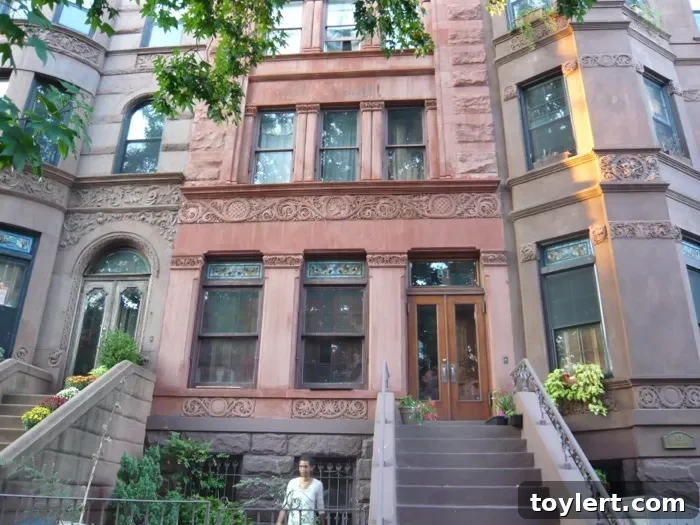
Bedford-Stuyvesant, often affectionately referred to as Bed-Stuy, is not merely a collection of buildings but a living testament to a vibrant history. Its tree-lined streets are adorned with some of the most stunning examples of 19th and early 20th-century architecture in Brooklyn, including Italianate, Neo-Grec, Romanesque Revival, and Queen Anne style brownstones and limestones. These architectural gems are a legacy of the prosperous period when the area was developed. Beyond its visual appeal, Bed-Stuy has played a pivotal role in African American culture and history, serving as a hub for arts, activism, and community resilience, particularly during periods of significant social change.
The proposed Bedford Historic District encompasses a particularly concentrated area of these remarkable structures, reflecting a period of intense development and a consistent architectural vision. Preserving this district means preserving a tangible connection to the lives, struggles, and triumphs of countless New Yorkers. It is about honoring the distinct urban planning and design principles that shaped the neighborhood, and recognizing its contribution to New York City’s diverse architectural heritage. The community’s deep connection to these historical assets forms the emotional core of the landmarking debate.
Voices of Preservation: Affirming Community Struggle and Value
The fight for landmarking in Bed-Stuy is spearheaded by passionate community members and tireless preservationists. Among the most articulate advocates are individuals like Suzanne Spellen, widely known by her columnist moniker Montrose Morris, and Claudette Brady, a dedicated preservationist and co-founder of the Bedford Stuyvesant Society for Historic Preservation. Their words powerfully encapsulate the essence of what is at stake.
Suzanne Spellen eloquently articulates the profound link between landmarking and community identity:
“Bedford Stuyvesant is a hard-working community of proud people who, when the city and government failed them, took back the streets, one block at a time. We swept our sidewalks, planted flowers in our yards and watched everyone else’s children as if they were our own. Landmarking is an affirmation of that struggle, a reward for holding on tight to something of great value, and that is this remarkable community of brick and mortar, tradition and pride, flesh and bone. It will protect what has been preserved for the last 150 years so that it can be handed down for those who will come after us, without the dangers of overdevelopment or arbitrary tear-downs and alterations.”
This powerful statement highlights that landmarking is not merely about buildings; it is about recognizing and validating the collective effort and sacrifices made by residents over generations to sustain and uplift their neighborhood. It’s a formal acknowledgment of the community’s inherent worth and its contribution to the city’s diverse fabric.
Claudette Brady and the Bedford Stuyvesant Society for Historic Preservation have consistently championed the idea that preserving the physical environment directly supports the community’s social and cultural well-being. They see landmarking as a vital tool to resist the pressures of aggressive development that can lead to displacement and the erosion of local character. Their efforts underscore the belief that historic architecture provides a sense of place, continuity, and belonging that is essential for a thriving urban community.
The Other Side of the Coin: Arguments Against Landmarking
While the arguments for historic preservation are compelling, the opposition, particularly from powerful real estate entities like REBNY, is equally resolute. Their primary concerns often center on economic development, property rights, and the potential for landmarking to stifle growth and innovation. Opponents argue that strict preservation regulations can lead to several challenges:
- Economic Impact: Landmarking can impose significant restrictions on property owners, limiting their ability to renovate, expand, or redevelop properties in ways that might maximize their economic value. This can be seen as an impediment to economic revitalization and job creation.
- Property Rights: Some argue that landmarking infringes on the rights of property owners to do as they wish with their land and buildings. They believe that property owners should have the freedom to modernize or adapt their properties without excessive governmental oversight.
- Housing Supply: In a city grappling with an affordable housing crisis, opponents suggest that landmarking can restrict the construction of new, denser housing units, thereby exacerbating supply shortages and driving up costs.
- Cost of Maintenance: Maintaining historic buildings can be more expensive than maintaining modern structures, particularly due to requirements to use specific materials or methods. This can place an undue financial burden on owners.
- Gentrification Concerns: Paradoxically, some critics argue that landmarking can contribute to gentrification by making an area more desirable and increasing property values, potentially pricing out long-term residents and local businesses. While preservationists aim to protect existing communities, the market forces can sometimes create unintended consequences.
REBNY’s stance generally reflects a pro-development philosophy, asserting that the city needs flexibility to grow and adapt to current and future needs. They often highlight the potential for economic stagnation if too many areas are designated as historic districts, limiting opportunities for new construction and investment.
A Balancing Act: Navigating Development and Heritage
The debate over the Bedford Historic District in Bed-Stuy epitomizes a larger, ongoing dialogue within New York City and other urban centers: how to strike a sustainable balance between preserving invaluable architectural heritage and accommodating the pressures of modern urban development. It’s a multifaceted challenge that requires careful consideration of historical significance, community aspirations, economic realities, and the long-term vision for the city.
For neighborhoods like Bed-Stuy, the decision to landmark is deeply personal and communal. It reflects a desire to protect not just brick and mortar, but also the social fabric, the cultural memory, and the unique identity that makes the area special. The community’s fierce advocacy, as demonstrated by figures like Suzanne Spellen and Claudette Brady, underscores that preservation is an act of empowerment and a commitment to intergenerational equity. It’s about ensuring that the distinct beauty and history of their home are not lost to the homogenizing forces of rapid, unchecked development.
Looking Ahead: The Future of Historic Districts
The outcome of the landmarking efforts in Bed-Stuy’s Bedford Historic District will have implications far beyond its immediate boundaries. It will contribute to the ongoing precedent for how New York City balances its past with its future. Such decisions shape not only the physical landscape but also the socio-economic dynamics of communities, influencing everything from property values to cultural identity.
Ultimately, the push for landmarking is a testament to the belief that cities are more than just places to live and work; they are repositories of shared history, culture, and collective memory. Preserving these historic districts is an investment in the soul of the city, ensuring that future generations can experience and learn from the rich narratives embedded in its architecture and streetscapes. It is a powerful statement that some things, like community pride and architectural heritage, are too valuable to be sacrificed to short-term gains, deserving protection and reverence for centuries to come.