Transforming Bed-Stuy: A Landmark 10-Story Mixed-Use Development Takes Shape at 27 Albany Avenue
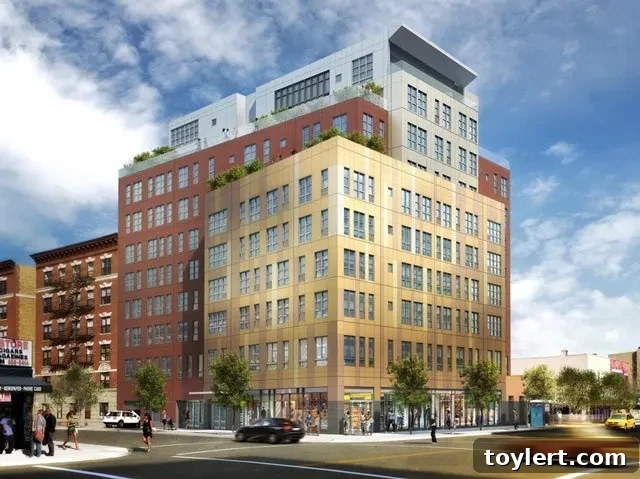
Bedford-Stuyvesant, Brooklyn, a neighborhood celebrated for its rich history, vibrant culture, and distinctive brownstones, is set to welcome a significant new addition to its urban landscape. Plans have been revealed for a commanding 10-story mixed-use building poised to rise from a currently vacant lot at 27 Albany Avenue. This ambitious project is not merely another building; it represents a thoughtful integration of modern living with crucial community needs, aiming to deliver 50 residential apartments alongside ground-floor commercial space, breathing new life into a prominent street corner.
At the heart of this development is a commitment to accessible housing, featuring an 80/20 housing model. This means that out of the 50 proposed apartments, 10 units will be designated as affordable housing, while the remaining 40 will be offered at market rates. This blend is a hallmark of contemporary New York City urban planning, designed to foster diverse communities and address the ever-growing demand for housing across various income levels. While construction had yet to commence at the time of the announcement, anticipation was high for its projected opening in the following year, promising a swift revitalization of the site.
A Closer Look at 27 Albany Avenue: Design, Vision, and Urban Integration
The vision for 27 Albany Avenue goes beyond just providing housing; it aims to create a dynamic vertical community. Rising ten stories, the structure is designed to house a mix of residential units and ground-floor retail or commercial spaces, ensuring that it serves not only its future residents but also contributes actively to the street-level vitality of Bed-Stuy. The inclusion of commercial space is a strategic move, intended to offer convenient amenities for residents and the broader neighborhood, potentially attracting local businesses and enhancing the pedestrian experience along Albany Avenue.
According to information initially unveiled by NY YIMBY, which also provided early renderings of the project, the architectural design aims for a contemporary aesthetic that respects the existing urban fabric of Bed-Stuy while introducing a fresh, modern sensibility. The building’s stature will undoubtedly make it a recognizable landmark in the immediate vicinity, designed to offer comfortable and efficient living spaces tailored to the demands of modern Brooklynites. The emphasis on a mixed-use framework ensures that the building is a self-contained ecosystem, contributing to a vibrant, walkable neighborhood experience.
The 80/20 Housing Model: Bridging the Affordability Gap in NYC
The 80/20 housing model is a critical component of New York City’s strategy to address its persistent housing crisis, particularly for its middle-income residents. This program incentivizes developers to include a percentage of affordable units within their market-rate projects, typically in exchange for tax abatements or other zoning benefits. For 27 Albany Avenue, 20% of its apartments (10 out of 50) will be allocated as affordable housing. These units are usually made available through a lottery system, allowing eligible individuals and families to secure housing at significantly below-market rates based on their income levels.
This model is pivotal in maintaining socio-economic diversity within rapidly gentrifying neighborhoods like Bed-Stuy, ensuring that long-term residents and a broad spectrum of New Yorkers can continue to call these communities home. By integrating affordable and market-rate units within the same building, the 80/20 model seeks to create truly mixed-income communities, fostering a sense of shared belonging without the segregation often seen in purely affordable housing developments. It’s a testament to urban planning efforts focused on inclusivity and sustainable growth, offering a lifeline to many struggling with the city’s high cost of living.
Bedford-Stuyvesant: A Neighborhood in Dynamic Transformation
Bedford-Stuyvesant, affectionately known as Bed-Stuy, is one of Brooklyn’s most iconic and historically significant neighborhoods. Known for its picturesque tree-lined streets, majestic brownstone architecture, and a deep-rooted cultural heritage, it has long been a nexus of African American culture and community in New York City. In recent decades, Bed-Stuy has experienced a dramatic resurgence, attracting new residents and investments, leading to a vibrant revitalization that balances its historic charm with a burgeoning modern appeal.
The neighborhood’s strategic location, excellent transportation links, and a thriving local scene featuring an array of cafes, restaurants, boutiques, and art spaces make it an increasingly desirable place to live. Developments like 27 Albany Avenue are part of this ongoing evolution, responding to the demand for modern housing options while contributing to the economic vitality of the area. The influx of new residents and businesses has spurred growth, but it also underscores the importance of projects that consciously incorporate affordable housing, ensuring that Bed-Stuy’s growth remains equitable and preserves its unique character for all its inhabitants.
The Driving Forces: BRP Companies and Montroy Andersen DeMarco
Behind every significant urban development are visionary developers and skilled architects. The 27 Albany Avenue project is spearheaded by **BRP Companies**, a prominent real estate firm with a robust portfolio of mixed-use, multi-family residential, and commercial projects across the New York metropolitan area. BRP Companies is recognized for its commitment to developing high-quality, community-oriented properties, often focusing on projects that incorporate affordable housing components and contribute positively to neighborhood revitalization. Their involvement signals a project built on experience, financial acumen, and a deep understanding of urban development challenges and opportunities.
The architectural design, according to a new building permit and NY YIMBY, is attributed to **Marvin Meltzer of Montroy Andersen DeMarco**. Montroy Andersen DeMarco (MADGI) is an award-winning architectural firm known for its innovative designs and extensive experience in residential, commercial, and hospitality sectors. Marvin Meltzer, as the architect of record, brings expertise in crafting structures that are not only aesthetically pleasing but also functional, sustainable, and seamlessly integrated into their urban surroundings. Their involvement suggests a thoughtful design approach that prioritizes both form and function, ensuring that 27 Albany Avenue will be a visually appealing and highly livable addition to Bed-Stuy.
Echoes of Success: The Precedent Set by The Acacia
The success of new developments can often be gauged by the performance of similar projects in the vicinity. In the case of 27 Albany Avenue, a compelling precedent is set by The Acacia, another significant 80/20 building located directly across Fulton Street. The Acacia, which debuted in the year preceding the announcement of 27 Albany Avenue, achieved remarkable success, with its units renting out quickly upon its launch. This rapid absorption of units demonstrated a strong and undeniable demand for quality housing, particularly those offering an affordable component, in the Bed-Stuy neighborhood.
The Acacia’s triumph serves as a powerful indicator for the anticipated reception of 27 Albany Avenue. It underscores the prevalent need for both market-rate and affordable housing in this sought-after Brooklyn locale. The expedited rental of The Acacia’s apartments reflects the growing appeal of Bed-Stuy to a diverse population seeking modern amenities, convenience, and community, reinforcing the market’s readiness for well-conceived residential developments like the one planned for Albany Avenue. This nearby success story provides a confident outlook for the future residents and stakeholders of the new development.
Anticipated Impact and Future Outlook for Albany Avenue
The arrival of a building of this scale and purpose at 27 Albany Avenue is poised to have a multifaceted impact on the immediate surroundings and the broader Bed-Stuy community. Beyond merely adding housing units, the mixed-use nature of the development promises to invigorate the streetscape. New ground-floor retail could bring essential services, dining options, or vibrant commercial activity, enhancing the daily lives of both current and future residents.
The introduction of 50 new households will contribute to the economic fabric of the neighborhood, supporting local businesses and fostering a denser, more vibrant community. As the project was slated for an opening in the year following its announcement, its completion would mark a significant step in the ongoing evolution of Bed-Stuy, symbolizing progress and adaptation to the dynamic demands of a major metropolitan area. It represents a forward-looking investment in a cherished Brooklyn community, promising to enrich the lives of its inhabitants for years to come.