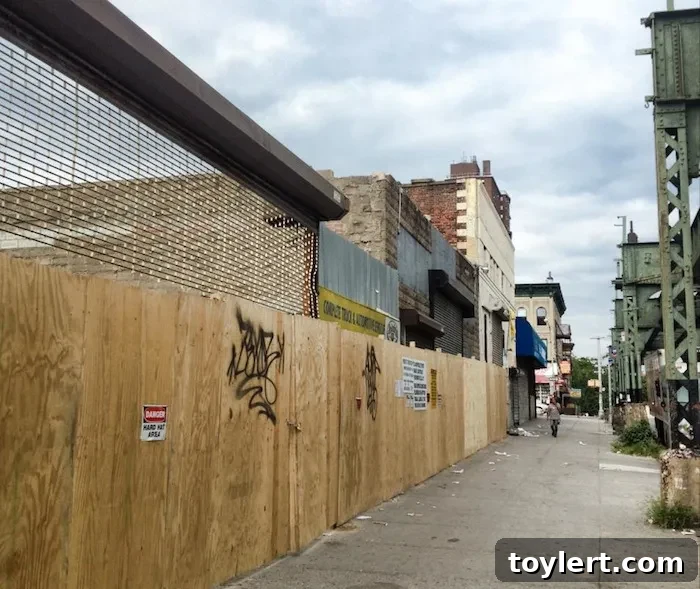
The dynamic intersection of Brooklyn’s historic Bed-Stuy and vibrant Bushwick neighborhoods, affectionately dubbed “Bedwick” (or sometimes “Stuyshwick”), is buzzing with the promise of significant urban transformation. This rapidly evolving area, known for its unique blend of cultural heritage and contemporary appeal, is once again at the forefront of development discussions, particularly concerning a notable project slated for 1090 Myrtle Avenue, just off Lewis Avenue. This location, currently home to a long-standing auto repair shop, has been identified as the site for a potential new hotel, signaling a marked shift in the urban landscape of this bustling Brooklyn thoroughfare.
Bedwick: A Thriving Intersection of Culture and Opportunity
The coinage of “Bedwick” is more than just a catchy portmanteau; it represents a tangible cultural and economic reality. Situated where the classic brownstones and tree-lined streets of Bedford-Stuyvesant meet the industrial-chic galleries and burgeoning nightlife of Bushwick, this zone has become a magnet for artists, entrepreneurs, and residents seeking an authentic New York experience outside Manhattan’s traditional confines. Bed-Stuy itself boasts a rich African American history, iconic architecture, and a strong sense of community, while Bushwick has emerged as a global street art destination and a hub for innovative businesses and creative industries. The merging of these two distinct yet complementary identities has created Bedwick – an area ripe with opportunity, undergoing rapid gentrification, and experiencing an influx of new residents and businesses that are reshaping its character.
The pace of change in Bedwick has been relentless, driven by its strategic location, improving infrastructure, and the allure of its burgeoning cultural scene. Properties that were once considered industrial or underutilized are now being reimagined for residential, commercial, and hospitality purposes. This growth, while bringing economic vitality and new amenities, also sparks conversations about preserving the existing community fabric, managing infrastructure strain, and addressing the complexities of rising property values and living costs. Understanding these dynamics is key to appreciating the significance of new developments like the proposed hotel, as they often embody both progress and potential challenges for the community.
Myrtle Avenue: A Corridor on the Cusp of Change
Myrtle Avenue, a major artery connecting several Brooklyn neighborhoods, serves as a microcosm of the borough’s ongoing evolution. For decades, stretches of Myrtle Avenue have been characterized by local businesses, industrial workshops, and residential buildings, reflecting the area’s working-class roots and diverse demographics. However, with increasing investment and renewed interest in areas like Bedwick, specific blocks along Myrtle are now poised for significant upgrades and redevelopments. The site at 1090 Myrtle Avenue, currently an auto shop, embodies this transition perfectly. Auto shops, while essential to urban life, often represent older land uses that developers eye for higher-yield projects, especially in neighborhoods experiencing an economic boom and a shift towards more service-oriented or residential uses.
The proposed demolition of the auto shop at 1090 Myrtle Avenue marks the beginning of a new chapter for this specific block. Developers envision transforming this parcel into a modern hospitality establishment, a move that aligns with broader trends across Brooklyn where demand for hotel accommodations is steadily climbing. As Bedwick attracts more visitors, whether for its acclaimed art scene, diverse culinary offerings, or as an alternative base for exploring New York City, the need for diverse lodging options becomes apparent. This particular project aims to introduce a 6-story, 60-room hotel, suggesting a boutique-style offering designed to cater to a specific segment of travelers looking for a more localized and intimate experience away from the traditional tourist hubs of Manhattan or even downtown Brooklyn. Such a development could significantly enhance the area’s appeal to short-term visitors, contributing to a vibrant tourist economy.
Navigating the Development Process: Initial Plans Disapproved
However, the path to urban development in a dense metropolitan area like New York City is rarely straightforward, as evidenced by the recent disapproval of the initial plans for the 6-story, 60-room hotel by the buildings department this month. While the specifics behind the disapproval are not publicly detailed in the permits (though available for public scrutiny through the NYC Department of Buildings portal), such rejections commonly stem from a variety of factors. These can include non-compliance with local zoning regulations (e.g., height restrictions, setbacks, floor-area ratios), issues with structural integrity or safety codes, inadequate egress plans, environmental concerns, or even community feedback that highlights specific impacts not initially addressed by the developers. It’s also possible that the proposed design or usage did not fully align with the area’s existing zoning classifications, requiring amendments or variances that were not yet secured.
For developers, a disapproval is often a temporary setback rather than a definitive halt. It typically necessitates a thorough review of the submitted blueprints, revisions to address the identified deficiencies, and a resubmission to the relevant authorities. This iterative process is a standard part of navigating New York City’s stringent building codes and complex urban planning framework, designed to ensure that new constructions meet rigorous standards and integrate responsibly into their surroundings. The lack of information regarding the architect or a specific hotel brand in the initial permits further suggests that this project might still be in its early conceptual stages, or perhaps it’s envisioned as an independent, locally-branded establishment aiming to integrate uniquely into the Bedwick identity rather than a large corporate chain, which often have their brands established early in the planning phase. This early stage could allow for greater flexibility in adapting plans to meet city requirements and community expectations.
The Potential Impact of a New Hotel on Bedwick
The eventual construction of a hotel at 1090 Myrtle Avenue would undoubtedly bring a significant transformation to this stretch of Myrtle Avenue and the broader Bedwick area. From an economic perspective, a new hotel means job creation – from construction workers during the build phase to permanent positions in hospitality, including front desk staff, housekeeping, management, and food and beverage services. It also promises increased patronage for local businesses, injecting new revenue into neighborhood restaurants, cafes, shops, and cultural venues as hotel guests explore their surroundings. This influx of visitors contributes to the local tax base, which can, in turn, fund public services and infrastructure improvements, potentially benefiting all residents.
Beyond economics, the social and aesthetic impact would be profound. A modern 6-story structure would dramatically alter the streetscape, replacing an industrial auto shop with a contemporary building. While this could enhance the visual appeal and bring a sense of renewed vibrancy, it also raises questions about neighborhood character and scale, particularly for residents accustomed to the current streetscape. Community members often express concerns about increased traffic congestion, parking shortages, and potential noise from a new commercial establishment operating 24/7. There’s also the broader discussion about how such developments contribute to gentrification, potentially accelerating changes in property values and the demographics of long-term residents. Balancing the benefits of development with the preservation of local character and affordability is a perennial challenge in rapidly growing urban areas like Bedwick, requiring careful consideration from all stakeholders involved in the planning and approval processes.
Bedwick’s Future: Balancing Growth and Community
The proposed hotel on Myrtle Avenue serves as a prime example of the ongoing urban evolution characterizing Bedwick and many other vibrant Brooklyn neighborhoods. It highlights the constant tension between economic growth, infrastructural needs, and the desire to preserve the unique cultural identity that makes these areas so attractive. As developers continue to eye such locations for new projects, the dialogue between community stakeholders, city planners, and investors becomes increasingly crucial. Effective urban planning in such dynamic areas requires not only adherence to codes but also a sensitive understanding of community values and aspirations for their shared spaces.
The future of 1090 Myrtle Avenue remains to be definitively shaped. Whether the developers will successfully revise and resubmit their plans, or if the site will eventually see an alternative form of development, its journey is indicative of Bedwick’s trajectory as a whole. This intersection of Bed-Stuy and Bushwick is not just a geographical point but a dynamic cultural hub, continually redefining itself while striving to maintain its soul amidst rapid change. The potential hotel project, despite its initial hurdle, underscores Bedwick’s growing appeal as a destination for both residents and visitors and its complex path toward a multifaceted urban future. The eventual changes along Myrtle Avenue will certainly be worth observing, as they will reflect the broader narrative of Brooklyn’s ongoing transformation, showcasing how a blend of historical context and modern development shapes the urban experience for everyone.
Photo courtesy of Stuyshwick.