Transforming Wythe Avenue: Iconic Diner Site Set for New Mixed-Use Development in Williamsburg
A New Chapter for 225 Wythe Avenue: Modern Living Emerges
Williamsburg, Brooklyn, a neighborhood synonymous with dynamic evolution, is once again at the forefront of urban transformation. New building applications have officially been filed for a significant development at 225 Wythe Avenue, signaling the impending transformation of a beloved local landmark. The plans detail a contemporary six-story building designed to house a blend of retail spaces and ten luxury residential apartments, poised to redefine a prominent corner in one of Brooklyn’s most vibrant districts.
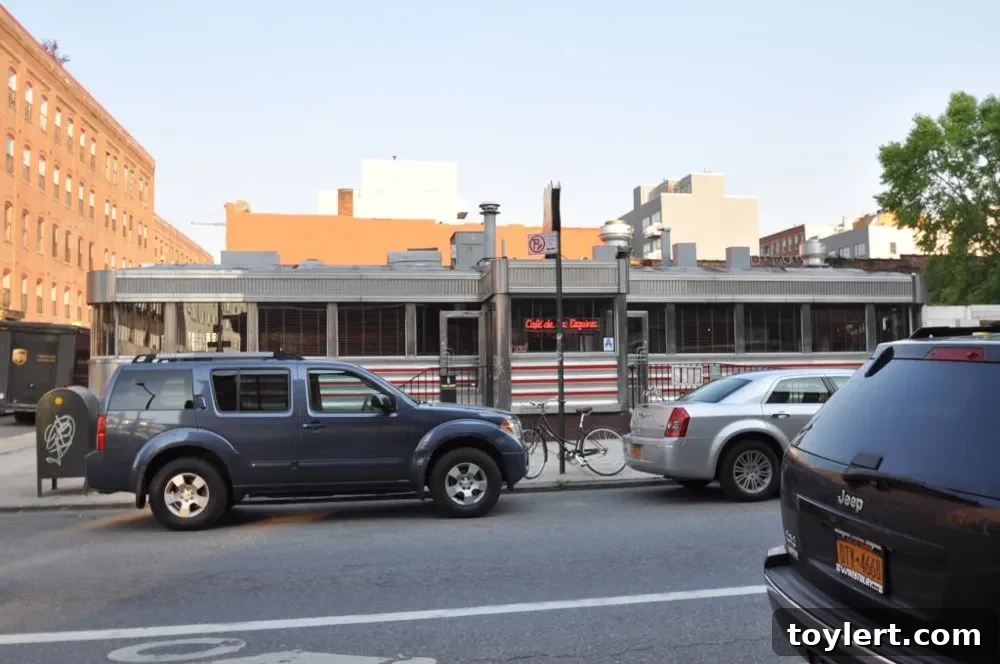
This ambitious project marks a pivotal moment for the site, which currently hosts a distinctive 1950s-era metal diner. For decades, this location has served as a cultural touchstone for residents and visitors alike, witnessing a rich tapestry of culinary and social history. The proposed development, with its carefully planned mixed-use format, aims to integrate seamlessly into Williamsburg’s ever-changing urban fabric, offering modern amenities while acknowledging the area’s unique heritage. Details of the new building applications can be reviewed through the official New York City Department of Buildings portal, providing transparency into this exciting venture.
Luxury Residences and Thriving Commercial Spaces
The residential component of the new building at 225 Wythe Avenue is designed with an emphasis on spaciousness and modern luxury. Each of the ten proposed apartments is expected to be remarkably large, averaging an impressive 1,238 square feet. This generous sizing strongly suggests that these units will likely be offered as condominiums, catering to a discerning market seeking premium living experiences in a highly coveted Brooklyn location. The expansive layouts are indicative of a trend towards larger, more comfortable urban homes, a response to the evolving demands of city dwellers.
Beyond the residential offerings, the development is set to invigorate the streetscape with substantial commercial space. A total of 4,351 square feet has been allocated for retail or other commercial uses, promising to bring new businesses and services to the ground floor. This integration of commercial activity is crucial for fostering a lively street presence and contributing to the local economy. The entire structure is projected to encompass 16,736 square feet, signifying a substantial addition to the built environment of Wythe Avenue and enhancing the street’s appeal as a destination for both residents and shoppers.
The End of an Era: Honoring the Diner’s Legacy
The site at 225 Wythe Avenue holds a deep-rooted history, primarily recognized for its iconic 1950s metal diner. Over the decades, this establishment has been home to several beloved eateries, each leaving an indelible mark on the neighborhood’s memory. From 1968 to 1988, it operated as the classic Wythe Diner, a quintessential American diner serving comfort food and acting as a local hub. Later, from 1997 to 2010, it transformed into Relish, an establishment that continued the tradition of community gathering. Most recently, the space has been home to La Esquina, a renowned Soho Mexican joint that expanded its vibrant flavors to Williamsburg, drawing crowds with its authentic cuisine and lively atmosphere.
The presence of such a long-standing diner speaks volumes about the history of Williamsburg itself. These classic metal diners, with their chrome accents and retro charm, are more than just eating establishments; they are cultural artifacts, embodying a bygone era of American roadside architecture and casual dining. Their gradual disappearance from the urban landscape often evokes a sense of nostalgia and sometimes concern among long-time residents about the pace of change. While the new development signifies progress and modernization, the legacy of the Wythe Diner, Relish, and La Esquina will undoubtedly remain a cherished part of Williamsburg’s narrative, representing the layers of history that contribute to the neighborhood’s unique identity.
Williamsburg’s Continual Evolution: A Tapestry of Old and New
The proposed development on Wythe Avenue is a testament to Williamsburg’s relentless pace of evolution. Once an industrial heartland and then a haven for artists and creatives, the neighborhood has steadily transformed into one of Brooklyn’s most sought-after residential and commercial destinations. This growth has been characterized by a blend of preserving its historic industrial architecture while introducing sleek, modern structures that cater to a contemporary urban lifestyle. High-end residential buildings, boutique shops, Michelin-starred restaurants, and vibrant nightlife venues now stand alongside charming brownstones and repurposed factory spaces, creating a rich and diverse urban tapestry.
Wythe Avenue, in particular, has emerged as a prime corridor for development due to its strategic location. Its proximity to the East River waterfront offers stunning Manhattan views, while excellent public transportation links ensure easy access to other parts of New York City. The street is also a focal point for Williamsburg’s burgeoning hospitality scene, featuring trendy hotels and popular eateries. As such, the replacement of an older structure with a modern, mixed-use building aligns perfectly with the current trajectory of the neighborhood, further enhancing its appeal as a live-work-play environment. This ongoing transformation, while sometimes challenging for those who cherish the past, ultimately shapes Williamsburg into a dynamic urban center fit for the future.
Impact and Future Outlook for the Community
The introduction of a new six-story building at 225 Wythe Avenue will inevitably have a multifaceted impact on the immediate neighborhood and the broader Williamsburg community. The high-end condominiums are likely to attract a demographic seeking spacious, modern residences, further solidifying Williamsburg’s status as a desirable upscale residential area. This influx of new residents can contribute to the local economy, supporting existing businesses and potentially drawing in new ones. The commercial ground floor will also play a vital role, providing new retail or service options that could enhance the street’s utility and vibrancy for pedestrians.
From an urban planning perspective, this development represents a thoughtful approach to increasing density in a highly accessible area, promoting a more sustainable urban form. As Williamsburg continues to grow, projects like this are crucial for meeting housing demands and enriching the commercial landscape. While the departure of a long-standing landmark like the diner may evoke sentimental feelings, the new building promises to bring fresh opportunities and contribute positively to the neighborhood’s ongoing vitality. The construction process will undoubtedly be a topic of local discussion, but once completed, this new mixed-use structure is set to become another significant piece in the evolving mosaic of Williamsburg, reinforcing its reputation as a hub of innovation and modern urban living.