Unlocking Brooklyn’s Past: A Comprehensive Guide to Researching Your Historic Home
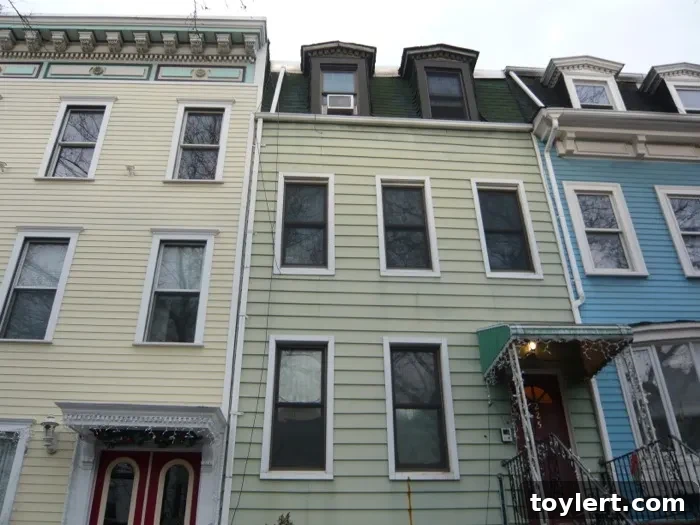
Brooklyn, a borough steeped in history and architectural splendor, is home to countless buildings that tell tales of generations past. From elegant brownstones to charming wood-frame houses and sturdy brick apartment buildings, each structure possesses a unique narrative waiting to be discovered. Understanding the history of your home or apartment building can offer profound insights into its original design, the lives of its former inhabitants, and its place within Brooklyn’s evolving urban landscape. For both homeowners embarking on a meticulous restoration project and renters curious about their dwelling’s heritage, delving into a building’s past is a rewarding endeavor.
However, the process of uncovering these historical layers can often feel daunting, requiring knowledge of specific resources and research methodologies. Recognizing this need, The Wooden House Project proudly presents an exclusive class designed to equip participants with the essential skills to navigate the rich archives of Brooklyn and beyond. This invaluable workshop, aptly titled “Research Your Historic Brooklyn House,” promises to transform the way you interact with your historic property.
“Research Your Historic Brooklyn House”: Your Gateway to the Past
Taught by renowned preservationists Elizabeth Finkelstein and Chelcey Berryhill, this specialized class offers a deep dive into the art and science of historic building research. Elizabeth Finkelstein, a celebrated voice in architectural history and preservation, brings a wealth of expertise in identifying and understanding historic structures. Chelcey Berryhill, with her extensive background in urban history and archival research, complements this by guiding participants through the practical steps of accessing and interpreting historical data. Together, they form a dynamic duo committed to demystifying the research process for enthusiasts and property owners alike.
The course is meticulously structured to provide a hands-on approach, demonstrating how to effectively utilize both cutting-edge digitized online resources and traditional physical repositories scattered across Brooklyn and Manhattan. Whether your interest lies in a stately stone townhouse, a classic brick apartment building, or a charming wood-frame residence, the techniques taught will be universally applicable. Participants will learn how to uncover crucial information, including what their building looked like originally, significant alterations it may have undergone over the centuries, and, perhaps most fascinatingly, the identities and stories of the people who once called it home. This inclusive workshop extends a warm welcome to both renters eager to connect with their living space’s history and homeowners planning to restore their cherished property to its former glory.
Why Research Your Historic Property? Beyond Mere Curiosity
The act of researching a historic home extends far beyond simple curiosity; it offers a multitude of tangible benefits that can enrich your connection to your property and inform critical decisions. Understanding the architectural lineage of your building provides context, allowing you to appreciate the craftsmanship and design principles of its era. This historical knowledge is particularly vital for:
- Authentic Restoration Projects: For homeowners contemplating exterior restorations, having access to original photographs and architectural plans is invaluable. These visual records serve as blueprints for architects and contractors, ensuring that any repairs or renovations honor the building’s authentic character and historical integrity. This careful approach not only preserves architectural heritage but can also significantly enhance property value and curb appeal.
- Connecting with Past Residents: Discovering who lived in your home can create a profound sense of connection to the past. Census records, city directories, and historical newspapers can reveal fascinating stories about former occupants, offering a human dimension to the bricks and mortar. This genealogical aspect can be incredibly rewarding, turning a house into a living archive of human experience.
- Informing Preservation Efforts: For those passionate about historic preservation, research is the foundational step. It helps identify significant architectural features, understand the evolution of the structure, and make informed decisions that align with preservation best practices. This knowledge empowers individuals to become stewards of architectural heritage within their communities.
- Enhancing Property Value and Marketability: A well-documented history of a home, especially one that highlights its original features and notable past residents, can be a significant selling point. Prospective buyers often value properties with a rich narrative and well-preserved historical elements, making detailed research a sound investment.
- Understanding Neighborhood Evolution: Researching individual homes contributes to a broader understanding of how a neighborhood developed over time. It can reveal patterns of growth, demographic shifts, and architectural trends that shaped the community you live in today.
Navigating the Labyrinth of Historic Resources: Strategies and Tools
The “Research Your Historic Brooklyn House” class will shine a spotlight on the most effective strategies and resources available for comprehensive historical research. Participants will gain practical experience in uncovering vital information through a blend of online and offline avenues:
Leveraging Digitized Online Resources
The digital age has revolutionized historical research, making countless documents accessible from the comfort of your home. The class will guide you through powerful online platforms such as:
- NYC Department of Records & Information Services (DORIS): This incredible resource offers access to a vast collection of municipal records, including historic photographs, building permits, tax assessment photos, and city maps that can reveal construction dates, owners, and structural changes.
- Brooklyn Public Library & New York Public Library Digital Collections: Both institutions boast extensive digital archives featuring historic photographs, maps, ephemera, and digitized newspapers, including the invaluable *Brooklyn Daily Eagle*, which provides a rich tapestry of daily life and architectural developments in Brooklyn from 1841 to 1955.
- Sanborn Fire Insurance Maps: These detailed maps, often digitized and available online, provide invaluable insights into the layout, construction materials, and historical uses of buildings and properties from the late 19th and early 20th centuries. They are crucial for understanding original footprints and changes over time.
- Census Records: Available through various genealogical websites, census records can help identify past residents, their occupations, and the demographics of your neighborhood at different points in history.
- Online Real Estate Databases: Websites like PropertyShark or Zillow sometimes contain historical sales data, property tax records, and even old listing photos that can provide glimpses into a building’s past.
- Architectural Archives and Databases: Resources like the Avery Architectural & Fine Arts Library at Columbia University may hold architectural drawings or specifications for significant Brooklyn buildings.
- Historic American Buildings Survey (HABS/HAER/HALS): Administered by the National Park Service, this program documents historic structures through measured drawings, photographs, and written reports, and can sometimes feature prominent Brooklyn buildings.
Exploring Physical Repositories
While digital resources are plentiful, many unique and critical documents still reside in physical archives. The class will introduce you to key institutions where in-person research is essential:
- Center for Brooklyn History (formerly Brooklyn Historical Society): A treasure trove of Brooklyn-specific materials, including photographs, maps, oral histories, business records, and personal papers that can shed light on local architecture and social history.
- New York Historical Society: This institution houses extensive collections related to New York City’s history, including architectural drawings, photographs, and manuscripts that might pertain to Brooklyn properties.
- NYC Department of Buildings (DOB): Essential for accessing original building plans, permits, alteration applications, and certificates of occupancy, which provide definitive legal and architectural documentation of a structure’s evolution.
- Kings County Clerk’s Office: Here you can access property deeds, mortgage records, and other legal documents that trace the ownership history of a property, revealing a clear chain of title and significant transactions.
- Local Historical Societies and Community Archives: Smaller, neighborhood-specific archives often hold unique photographs, local newspapers, and personal accounts not found elsewhere, offering granular details about specific streets or blocks.
The Art of Finding Historic Photographs for Exterior Restoration
A particular emphasis of the “Research Your Historic Brooklyn House” class will be placed on the crucial skill of unearthing historic photographs. These visual records are indispensable for architects and contractors involved in exterior restoration projects. A clear image of a building’s original facade can guide decisions on everything from window styles and door designs to material choices and decorative elements. The class will reveal how to search for:
- Architectural Drawings and Blueprints: Often found in DOB records or architectural archives.
- Period Postcards: Many old Brooklyn buildings were featured on postcards, offering a snapshot of their appearance.
- Family Albums: If your home has a connection to a prominent family, their personal collections might hold gems.
- Local History Books and Atlases: Often contain illustrations or photos of significant buildings.
- Online Image Archives: Google Image Search, Flickr, and specialized historical photo sites can sometimes yield unexpected results.
- Newspaper Archives: Advertisements, articles, or even obituaries sometimes included images of residences.
Having these visual references can prevent guesswork, ensure authenticity, and ultimately lead to a more successful and historically accurate restoration, preserving the unique character of Brooklyn’s architectural heritage for future generations.
Join the Preservation Movement: Class Details and Registration
Don’t miss this exceptional opportunity to become a skilled historian of your own Brooklyn property. The “Research Your Historic Brooklyn House” class is an investment in understanding, preserving, and celebrating the unique heritage that surrounds us. This hands-on workshop, taught by experts in the field, is designed to empower you with the tools and confidence to uncover the fascinating stories embedded in Brooklyn’s buildings.
The class costs an affordable $25, making this expert-led instruction accessible to a broad audience. It is scheduled to take place on Wednesday, April 23, at 7 pm. The inspiring setting for this educational journey will be 67 West Street, Studio 612, in the vibrant Greenpoint neighborhood of Brooklyn. This central location ensures easy access for participants from across the borough and beyond.
Spaces are limited, ensuring an intimate and interactive learning environment where every participant can receive personalized guidance. To secure your spot and embark on this captivating exploration of Brooklyn’s architectural past, or for more detailed information about the curriculum and instructors, please visit The Wooden House Project website. Join Elizabeth Finkelstein and Chelcey Berryhill, and start your journey to uncover the hidden histories of Brooklyn’s cherished homes today.
Connect with Your Home’s Legacy
Whether you’re a long-time Brooklyn resident or new to its historic streets, understanding the story of your home offers a unique connection to its legacy and the broader narrative of one of the world’s most dynamic cities. The “Research Your Historic Brooklyn House” class provides the perfect starting point, transforming the daunting task of historical research into an engaging and accessible adventure. Arm yourself with the knowledge to appreciate, preserve, and share the remarkable history of your Brooklyn abode.