Sunset Park’s 4th Avenue Rezoning Approved: A Landmark Decision for Development and Affordable Housing
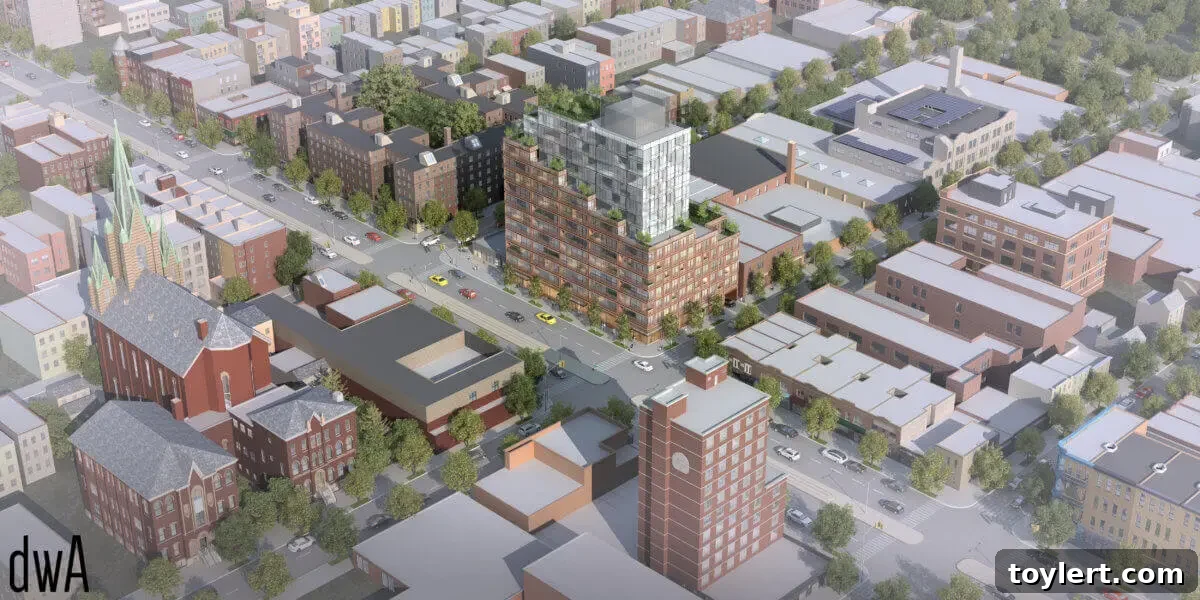
Sunset Park, Brooklyn, stands at a critical juncture in its urban development, following a significant decision by Community Board 7. In a closely watched and highly contentious vote, the civic panel granted its advisory approval for a rezoning along 4th Avenue. This pivotal step effectively clears a major hurdle for the construction of a substantial 14-story, 135-unit apartment building, strategically slated for a lot between 24th and 25th streets. The approval represents a defining moment for the neighborhood, navigating the intricate balance between the pressing demand for new housing and the complex, often polarizing, requirements for genuine affordability.
The Genesis of a New Urban Landscape: Project Overview
The proposed development at the core of this discussion is poised to significantly alter a key segment of Sunset Park’s dynamic 4th Avenue corridor. Spearheaded by Totem, a prominent real estate developer, the project envisions a modern, high-rise residential structure designed to reach 14 stories in height. This towering addition will introduce 135 individual apartment units to the area’s housing stock. Its chosen location, spanning the block between 24th and 25th streets, places it within an increasingly vibrant and evolving part of Brooklyn, an area renowned for its diverse community and ever-growing demand for residential space. This building is not merely an architectural undertaking; it signifies a considerable increase in housing density for the locale, strategically designed to accommodate a portion of Brooklyn’s rapidly expanding population base.
Developers frequently pursue rezonings to unlock greater development potential on specific parcels of land. These changes in zoning regulations allow for the construction of taller buildings or a higher number of units than what current zoning permits. In this particular instance, the rezoning provides Totem with the necessary flexibility to construct a building of considerable scale, thereby contributing a substantial number of new homes to the neighborhood’s residential inventory. This initiative mirrors a broader trend of urban development witnessed across Brooklyn, particularly along key transit-rich arteries like 4th Avenue, which are increasingly recognized as prime locations for strategic urban growth and revitalization efforts.
Community Engagement and the Deliberative Process
The path to this advisory approval was anything but straightforward, characterized by a series of contentious public meetings and spirited protests that underscored deep community concerns. Community Board 7, an indispensable civic panel within New York City’s urban planning framework, plays an advisory yet profoundly influential role in the Uniform Land Use Review Procedure (ULURP). Its fundamental mandate is to vigilantly represent the interests of local residents, thereby providing a crucial and accessible forum for feedback on proposed land use changes that directly impact the fabric and future of the neighborhood. For several months, the proposed rezoning ignited passionate and often heated discussions among local residents, community leaders, and housing advocacy groups, each articulating their unique perspectives on the project’s potential benefits, as well as its perceived drawbacks.
The advisory 25-to-16 vote cast by the Community Board vividly illustrates the deep divisions and nuanced considerations that are inherently part of complex urban development projects. While the Community Board’s recommendation is not legally binding, it carries significant moral and political weight with the Borough President and, crucially, with the City Council, who ultimately hold the decisive power in the ULURP process. The robust and often impassioned debate that preceded the vote served to highlight the intricate interplay between the strategic objectives of developers, the broader goals of city housing policies, and the pressing concerns of established communities striving vigorously to preserve their unique character while simultaneously addressing critical housing needs.
Understanding the Community Board’s Pivotal Role in NYC’s ULURP
Within the intricate bureaucracy of New York City, the ULURP stands as a standardized, multi-stage public review process specifically designed for proposed changes to the city’s zoning map or for the disposition of city-owned property. Community Boards represent the foundational tier in this multi-tiered process, entrusted with the critical responsibility of thoroughly reviewing applications and subsequently providing a well-considered recommendation. Their role is absolutely critical for ensuring that local voices and perspectives are genuinely heard and carefully considered before critical decisions ascend to higher echelons of city government. This structured process is meticulously designed to foster transparency and encourage broad public participation in significant land use decisions, although the purely advisory nature of the Community Board’s vote sometimes leaves residents feeling that their deeply held concerns are not fully or adequately addressed in the final outcomes.
The Core of the Conflict: Affordable Housing and Mandatory Inclusionary Housing (MIH)
At the very heart of the intense and often impassioned debate surrounding the 4th Avenue rezoning lay the critically important and often contentious issue of affordable housing. The developer, Totem, made a formal commitment to incorporate 35 units designated as “below market rate” within the planned 135-unit residential complex. This commitment was made explicitly under the city’s Mandatory Inclusionary Housing (MIH) program, a fundamental cornerstone of New York City’s overarching strategy to significantly expand and diversify affordable housing opportunities across its five boroughs. The MIH program specifically mandates that whenever a developer seeks a rezoning that would enable an increase in residential density, they are legally required to set aside a certain stipulated percentage of the newly created units as permanently affordable for households falling into low- or moderate-income brackets.
Demystifying Mandatory Inclusionary Housing (MIH): A Closer Look
The MIH program, which was formally introduced in 2016, was meticulously designed with the explicit goal of ensuring that new development actively contributes to the city’s overall affordable housing stock, particularly in rapidly growing areas experiencing significant increases in property values. This innovative program offers developers several distinct options, typically requiring a set-aside of 20% to 30% of the total residential floor area to be designated as affordable, with varying income tiers established. For instance, some MIH options are specifically tailored to target households earning 60% of the Area Median Income (AMI), while other options might focus on households earning 80% or even up to 120% of AMI. The precise AMI targets depend on the specific MIH option selected by the developer and the identified housing needs pertinent to the newly rezoned area. The “below market rate” designation for the 35 units in Sunset Park would invariably align with one of these pre-defined MIH tiers, thereby offering crucial housing opportunities at price points significantly lower than comparable market-rate units within the same building and surrounding neighborhood.
Despite being a direct outcome of the MIH program, the inclusion of just 35 affordable units quickly became a significant flashpoint for dissent and intense criticism. A vocal segment of community members and several board representatives argued vehemently that 35 units—constituting approximately 26% of the total proposed units—were simply insufficient to adequately address Sunset Park’s deep-seated and persistent affordable housing crisis. Critics passionately pointed to the relentless surge in rents and property values across Brooklyn, expressing profound fears that even these designated “below market rate” units would remain financially inaccessible for many long-time residents, thereby potentially accelerating the unwelcome processes of gentrification and eventual displacement.
The Complex Dilemma: Securing Some Affordability Versus Striving for More
The spirited debate within the Community Board vividly mirrored a common and often agonizing conundrum prevalent in contemporary urban planning: the perennial tension between successfully securing a guaranteed, albeit quantitatively limited, amount of affordable housing and the ambitious, yet often uncertain, pursuit of a potentially larger and more impactful commitment. Several board members, despite openly acknowledging the inherent limitations of the 35 affordable units, ultimately cast their votes in favor of approving the overall proposal. Their reasoning was decidedly pragmatic and rooted in a strategic calculation: rejecting the rezoning outright carried the very real and significant risk of forfeiting the 35 affordable units entirely. If the developer were to proceed with construction under the existing zoning regulations, they would, in all likelihood, not be legally obligated to include any affordable units whatsoever, as the MIH program only applies when a rezoning is actively sought. This profound fear of completely foregoing any affordable housing provision at all proved to be a decisive and ultimately influential factor in the board’s final and closely scrutinized vote.
This dynamic strikingly illustrates the inherent compromises and often difficult trade-offs embedded within MIH and similar inclusionary zoning policies. While these programs are commendably designed to leverage private development for the broader public good, they invariably operate within prevailing market constraints, and the ultimate level of affordability achieved frequently remains a persistent source of ongoing contention. For many advocates, the MIH program represents a crucial step in the right direction, ensuring at least some measure of affordability where none might otherwise exist. However, for a substantial portion of critics, the program is simply not far-reaching enough to effectively counteract the powerful and pervasive forces of a rapidly appreciating real estate market.
Implications for Sunset Park and the Broader Urban Landscape
The Community Board’s advisory approval represents a significant and undeniably crucial milestone for the Totem development. While the project is still obligated to clear subsequent and equally important hurdles within the ULURP, including rigorous reviews by the Borough President, the City Planning Commission, and ultimately, the City Council, the board’s positive recommendation provides invaluable momentum. The City Council, and particularly the local council member who directly represents Sunset Park, will wield the final and most influential vote in the entire process. This is often exercised through “member deference,” a practice where the full council typically votes in alignment with the local council member’s expressed wishes.
For Sunset Park itself, this specific rezoning signifies much more than the mere addition of a single building; it distinctly signals a continued and unmistakable trajectory of growth, evolution, and profound change along its bustling 4th Avenue corridor. Historically characterized by a diverse mix of industrial and residential properties, 4th Avenue has long been identified as a strategic area ripe for increased density and concentrated housing development, primarily due to its excellent proximity to public transit and its significant potential for revitalization. The recently approved project will undeniably contribute to a more diverse and robust housing stock and could potentially catalyze further private and public investment in the area, thereby attracting new residents and stimulating increased commercial activity.
However, the project also invariably intensifies ongoing and often heated debates about gentrification and the evolving character of Sunset Park. Long-time residents, many of whom come from diverse immigrant and working-class backgrounds, frequently express profound concerns that new, market-rate developments—even those that incorporate an affordable component—will inevitably drive up surrounding property values and rental costs, making it progressively harder for existing communities to afford to remain in their cherished homes. The delicate act of balancing progressive urban development with the preservation of invaluable neighborhood identity and the crucial prevention of displacement remains an ongoing and formidable challenge for both city planners and dedicated community leaders.
Looking Ahead: The Future Trajectory of Urban Development in Brooklyn
The Sunset Park 4th Avenue rezoning case serves as a compelling microcosm of broader urban development trends observed across New York City, particularly within burgeoning and rapidly growing boroughs like Brooklyn. As the city consistently grapples with a persistent and severe housing crisis and the undeniable need to accommodate a continuously expanding population, rezonings and meticulously crafted inclusionary housing programs will undoubtedly remain central to all future policy discussions. The ultimate outcome of such complex projects frequently reflects the intricate and often arduous negotiations between a diverse array of stakeholders: developers who seek profitability, city officials who aim to meet critical housing targets, and dedicated communities that strive for fundamental equity and self-determination.
The final approval or eventual rejection of the Totem project by the City Council will undeniably set a significant precedent for future developments not only within Sunset Park but also across the entirety of Brooklyn. It will further define precisely how New York City endeavors to provide vital housing for all income levels while meticulously navigating the intricate social, economic, and cultural impacts of large-scale urban change. As Sunset Park steadfastly continues its dynamic evolution, the critical conversation surrounding development, the attainment of genuine affordability, and the resilience of its community will undoubtedly remain at the absolute forefront, profoundly shaping the future landscape of this incredibly vibrant and diverse Brooklyn neighborhood.