Bob and Betty’s Expands South: A Landmark Development for Franklin Avenue and Crown Heights
A significant development is underway in the vibrant borough of Brooklyn, poised to reshape the commercial landscape of a burgeoning neighborhood. According to a recent announcement detailed in a Brooklynian community post, Bob and Betty’s, the esteemed specialty grocer that has become a cornerstone of Franklin Avenue and Lincoln Place, is embarking on an exciting journey of expansion. This strategic move sees the popular establishment extending its reach further south, marking a pivotal moment for residents and businesses alike in the ever-evolving urban fabric of Crown Heights.
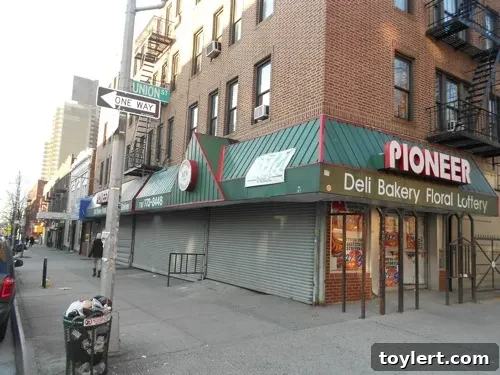
The expansion will breathe new life into a familiar locale, taking over the premises of the former Pioneer grocery store. This shuttered establishment, situated just east of the iconic Eastern Parkway on Franklin Avenue and Union Street, has long been a part of the local fabric. Its transformation into a new Bob and Betty’s outpost is anticipated to be completed swiftly, with an opening projected to occur within approximately one month. This swift turnaround highlights the urgency and demand for quality retail options in this dynamic part of Brooklyn. The unfolding growth of Franklin Avenue, steadily creeping south across the historic Eastern Parkway, is a trend that continues to captivate observers of urban development and commercial revitalization.
The Rise of Bob and Betty’s: A Beacon of Quality and Community
Bob and Betty’s has carved out a distinct niche in Brooklyn’s competitive grocery market, particularly within the Crown Heights neighborhood. Far from being just another convenience store, it has meticulously cultivated a reputation as a purveyor of high-quality, often organic, and specialty food items. Its thoughtfully curated shelves are stocked with an eclectic mix ranging from artisanal cheeses and gourmet pantry staples to fresh, locally sourced produce and unique international goods. This unwavering commitment to quality, coupled with a friendly, knowledgeable staff and a welcoming atmosphere, has fostered an exceptionally loyal customer base, transforming the store into more than just a place to shop – it’s a vital community hub where neighbors connect, discover unique culinary delights, and feel a sense of belonging.
The resounding success of its initial location at Franklin Avenue and Lincoln Place can be largely attributed to its keen ability to adapt to the evolving tastes and sophisticated demands of the neighborhood’s increasingly diverse population. As Crown Heights and Prospect Lefferts Gardens have experienced significant demographic shifts and a remarkable revitalization over the past decade, there has been a growing and vocal appetite for establishments that offer fresh, healthy, and premium food options. Bob and Betty’s skillfully filled this critical void, becoming an essential resource for both long-term residents and the influx of new arrivals seeking a distinctly higher standard of grocery shopping experience that prioritizes provenance and quality. Its identity as a “specialty grocer” reflects a modern and discerning approach to food retail, emphasizing a carefully curated selection over sheer volume.
Crossing the Parkway: A Symbolic and Strategic Urban Shift
The decision by Bob and Betty’s to strategically expand its operations south of Eastern Parkway is particularly noteworthy and holds significant symbolic weight. Eastern Parkway is not merely a grand, tree-lined boulevard; it has historically served as a profound dividing line, both geographically and culturally, within these vibrant Brooklyn neighborhoods. For many years, the areas immediately north of the Parkway, particularly along Franklin Avenue, have witnessed a rapid and often intense acceleration of commercial and residential development. Trendy cafes, acclaimed restaurants, upscale boutiques, and renovated brownstones have transformed segments of Franklin Avenue into a bustling, sought-after corridor, vividly reflecting broader trends of gentrification and urban renewal that continue to spread across Brooklyn’s landscape.
The “creep south” signifies a maturation of this development, suggesting that the economic and cultural vibrancy previously concentrated north of the Parkway is now firmly establishing deeper roots in the areas stretching below it. This expansion by a well-established and successful local business like Bob and Betty’s acts as a strong, unequivocal signal of confidence in the continued growth, desirability, and economic potential of the neighborhood extending towards Union Street and beyond into Prospect Lefferts Gardens. It unmistakably indicates a broadening market for premium retail and specialized services, bringing increased convenience and superior choice to residents who previously might have had fewer options for high-quality, specialty groceries within close walking distance. This pivotal move also highlights the increasing interconnectedness and blurring of lines between these formerly distinct sub-neighborhoods, fostering a more unified commercial and community identity.
Revitalizing a Former Landmark: The Pioneer’s Legacy and New Beginnings
The site chosen for Bob and Betty’s new, ambitious location, the former Pioneer grocery store, holds its own historical significance within the local community. While precise details about the specific reasons for the Pioneer’s closure are often part of a broader, more intricate narrative of changing retail landscapes and evolving consumer habits, it is a common pattern for older, independent grocers to face mounting competitive pressures from larger supermarket chains, discount retailers, and the ever-changing preferences of modern consumers. The Pioneer, like countless similar establishments of its era, likely served its community diligently for decades, providing essential goods and a familiar face. Its eventual shuttering, however, left a noticeable void, both in terms of commercial activity and local convenience for area residents.
The arrival of Bob and Betty’s offers a compelling and timely example of adaptive reuse – the innovative process of transforming an existing commercial space to meet contemporary needs and demands. This intelligent approach not only preserves a degree of architectural continuity and neighborhood character but also effectively capitalizes on established retail footprints, often leading to quicker integration into the community and reduced environmental impact compared to new construction. The conceptual transition from a traditional, often utilitarian grocery store like Pioneer to a modern, specialty-focused grocer like Bob and Betty’s encapsulates the ongoing, dynamic transformation of Crown Heights and Prospect Lefferts Gardens, mirroring a pronounced demand for more diverse, niche, and quality-driven offerings rather than just general commodities. This revitalization breathes much-needed new life into a dormant commercial space, stimulating local economic activity, enhancing neighborhood aesthetics, and providing essential, upgraded services to an eager resident base.
The Broader Impact: Community Enrichment, Commercial Vibrancy, and Urban Evolution
This strategic expansion by Bob and Betty’s is far more than just a routine business decision; it carries profound and far-reaching implications for the surrounding community. For residents in the immediate vicinity of Franklin Avenue and Union Street, it translates into significantly improved access to high-quality groceries, fresh produce, and a wider array of specialty food items. This enhanced accessibility can be particularly beneficial in areas where access to diverse and healthy food options might have previously been limited, thereby potentially mitigating the challenging effects of so-called “food deserts” and promoting healthier lifestyles. Furthermore, the presence of a thriving, community-oriented business like Bob and Betty’s can act as a powerful anchor, attracting other complementary businesses, increasing desirable foot traffic, and thereby vigorously stimulating the local economy across the commercial corridor.
On a broader scale, the expansion contributes significantly to the compelling narrative of Crown Heights’ and Prospect Lefferts Gardens’ ongoing transformation and revitalization. It powerfully reflects a growing confidence among discerning entrepreneurs and savvy investors in the long-term viability, cultural attractiveness, and economic upward trajectory of these vibrant Brooklyn neighborhoods. While such development undeniably brings tangible benefits like increased amenities, diverse shopping options, and new job opportunities, it also raises important, ongoing questions about affordability, gentrification, and the preservation of unique neighborhood character. The delicate balance between welcoming new, dynamic businesses and diligently supporting existing community structures is a continuous, crucial dialogue within rapidly evolving and gentrifying urban areas like Brooklyn.
Economic Ripple Effects and Empowering Local Job Creation
A new grocery store, especially one with a strong local presence and deep community ties like Bob and Betty’s, inevitably generates substantial positive economic ripple effects that extend far beyond its immediate premises. Beyond simply providing a new, convenient shopping destination, Bob and Betty’s expansion will directly create new employment opportunities, spanning various roles from store management and inventory specialists to essential customer service positions. These jobs are fundamentally crucial for local residents, offering accessible pathways to stable employment within their very own community, reducing commuting burdens, and fostering local economic empowerment. Moreover, the increased foot traffic and enhanced vibrancy driven by a popular grocer often significantly benefits neighboring small businesses, such as cafes, bakeries, independent bookstores, and boutiques, creating a robust, synergistic ecosystem that contributes immensely to the overall economic health and vitality of the commercial corridor.
The substantial investment in renovating and upgrading the former Pioneer space also contributes directly to the local economy, employing a diverse range of contractors, suppliers, and skilled tradespeople from the community. This significant capital injection into local infrastructure and commercial property underscores a profound commitment to the neighborhood’s long-term commercial vitality and physical infrastructure. As modern consumers increasingly prioritize supporting local businesses, seeking out fresh, high-quality, and ethically sourced ingredients, specialty grocers like Bob and Betty’s are exceptionally well-positioned to thrive and serve as powerful catalysts for further positive development and sustained community growth. Their model aligns perfectly with contemporary consumer values of localism, quality, and community engagement.
Looking Ahead: The Dynamic Future of Franklin Avenue and Beyond
The expansion of Bob and Betty’s is a clear, undeniable indicator of the continued dynamism and relentless energy defining Brooklyn’s urban core. It points towards a future where commercial vibrancy extends purposefully beyond traditionally established zones, actively reaching into and revitalizing new, exciting pockets of the borough. For Franklin Avenue, this significant development means cementing its status as a premier, must-visit destination for quality shopping, diverse dining, and vibrant community life, attracting both loyal local residents and curious visitors from further afield who seek an authentic Brooklyn experience. The “creep south” across Eastern Parkway is not merely a geographical shift; it’s a profound testament to the powerful forces of urban evolution, evolving consumer demand, and the tenacious entrepreneurial spirit that are continuously at play in shaping New York City’s boroughs.
As the new Bob and Betty’s location prepares to enthusiastically open its doors to the public, residents can anticipate an even richer, more convenient, and more enriching shopping experience. This strategic move is a testament to the enduring success of a local business that deeply understands its community’s evolving needs and responds with thoughtful, sustainable, and strategic growth. It powerfully reinforces Franklin Avenue’s upward trajectory as a vibrant, essential artery of Brooklyn life, and promises to contribute profoundly and positively to the daily lives of those fortunate enough to live in Crown Heights and Prospect Lefferts Gardens for many years to come. The compelling intersection of thriving local commerce and responsive community development remains a perpetually fascinating story in the ever-evolving, dynamic landscape of New York City.