Discovering Brooklyn: A Tapestry of Transformation, Innovation, and Community Life
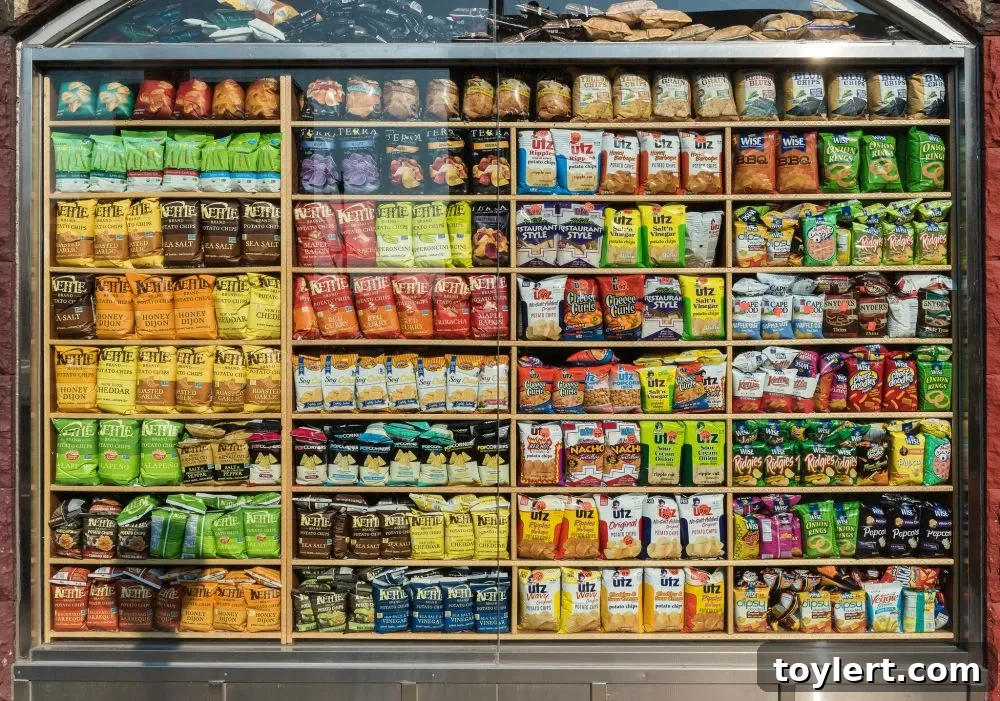
Brooklyn, New York City’s most populous borough, is a vibrant mosaic of cultures, histories, and relentless innovation. From its tree-lined streets and historic brownstones to its cutting-edge tech hubs and bustling commercial districts, Brooklyn continually reinvents itself while holding onto its unique identity. The everyday scene captured in a Brooklyn bodega, with its shelves stocked with potato chips and local essentials, serves as a poignant reminder of the borough’s enduring authenticity amidst profound changes. This dynamic interplay between tradition and progress is reflected in the diverse headlines that shape Brooklyn’s narrative, touching upon everything from urban development and economic expansion to community well-being and the preservation of its beloved green spaces.
Urban Oases and the Pulse of Community Life
At the heart of Brooklyn’s charm are its magnificent parks and ambitious green infrastructure projects. Prospect Park, an iconic urban oasis designed by the same visionary minds behind Central Park, Frederick Law Olmsted and Calvert Vaux, remains a central lung for the borough. It offers a crucial escape for recreation, nature observation, and community gatherings, embodying the very essence of urban green living. While the park is overwhelmingly a place of joy and tranquility, it, like any large urban space, occasionally witnesses somber events. A past report by Gothamist detailing the unfortunate discovery of a body in Prospect Park Lake, while rare and tragic, serves as a stark reminder of the complex realities of city life and the ongoing need for robust park management and community vigilance. Such isolated incidents do not diminish the park’s overwhelming positive impact, but rather underscore the broader discussion around maintaining safety and accessibility in essential public spaces.
Complementing these established green spaces is the ambitious Brooklyn Greenway Initiative, a transformative project aimed at creating a 26-mile landscaped route along Brooklyn’s waterfront. This initiative, highlighted in pieces such as one by the Brooklyn Eagle covering the greenway’s progress between Brooklyn Heights and Red Hook, is more than just a path; it’s a vital piece of urban infrastructure. It’s designed to provide sustainable transportation options, offer unparalleled recreational opportunities, and connect waterfront communities from Greenpoint to Bay Ridge. The greenway promotes healthier lifestyles, offers breathtaking views of the Manhattan skyline and New York Harbor, and significantly enhances the borough’s commitment to environmental sustainability. Its development reflects a broader urban planning philosophy focused on integrating nature into the urban fabric, fostering community engagement, and creating accessible public spaces for all residents.
Fueling Growth: Brooklyn’s Economic Boom and Shifting Landscapes
Brooklyn’s economic landscape has undergone a remarkable transformation over the past two decades, solidifying its position as a global center for innovation and commerce. Downtown Brooklyn, once primarily known for its civic institutions and retail, has rapidly evolved into a thriving commercial hub. The demand for office space in this area continues to surge, driven by its strategic location, improving transportation infrastructure, and a growing talent pool. Reports such as one by The Real Deal emphasizing Downtown Brooklyn’s need for more offices underscore the borough’s economic vitality. Businesses are increasingly choosing Brooklyn for its competitive rents compared to Manhattan, its vibrant urban environment, and its appeal to a younger, diverse workforce. This commercial expansion is not just about buildings; it’s about creating jobs, stimulating local businesses, and establishing a formidable alternative to traditional Manhattan business districts, contributing significantly to New York City’s overall economic resilience.
Perhaps one of the most defining narratives of Brooklyn’s economic ascent is the explosive growth of its tech sector. Once an underdog, Brooklyn has emerged as a significant player in the global technology arena. Data revealing that Brooklyn’s tech sector has grown an astounding 83 percent since 2005, as reported by Brokelyn, highlights this dramatic shift. This growth can be attributed to several factors: a burgeoning startup culture, the presence of numerous incubators and co-working spaces (particularly in areas like Dumbo and the Brooklyn Navy Yard), and an influx of creative and tech-savvy talent drawn to Brooklyn’s lifestyle. The borough has become a magnet for entrepreneurs, software developers, designers, and digital artists, fostering a collaborative ecosystem that rivals established tech hubs. This technological boom has not only diversified Brooklyn’s economy but has also influenced its cultural landscape, attracting new residents and businesses, and solidifying its reputation as a place where innovation thrives.
The economic transformation has, predictably, had a profound impact on Brooklyn’s real estate market, particularly in its historic neighborhoods. Bed-Stuy (Bedford-Stuyvesant), a neighborhood rich in African American history and renowned for its stunning brownstone architecture, has seen a dramatic influx of new residents and investment. The news that the daughter of a Zipcar founder purchased a $1.5 million townhouse in Bed-Stuy, reported by 6sqft, symbolizes this trend. While such investment can lead to neighborhood revitalization, improved services, and increased property values for long-term residents, it also sparks complex discussions around gentrification, affordability, and the preservation of community character. Bed-Stuy’s appeal lies in its architectural beauty, its strong community spirit, and its comparatively lower prices than some of Brooklyn’s more established affluent areas, making it a hotbed for real estate activity and a microcosm of the borough’s ongoing socio-economic evolution.
Modernizing Services: Meeting Community Needs
As Brooklyn continues its rapid growth, the demand for accessible and efficient community services, especially in healthcare, becomes ever more critical. The trend of establishing urgent care centers reflects a broader shift in how urban populations access immediate medical attention for non-life-threatening conditions. The announcement that an urgent care center was slated to open in a former Chase Bank on Flatbush Avenue, as noted by Park Slope Stoop, is a prime example of adaptive reuse in action. This development not only provides convenient walk-in medical services to residents of Flatbush and surrounding neighborhoods but also repurposes existing commercial spaces, contributing to the efficient use of urban infrastructure. Urgent care centers play a crucial role in reducing the strain on hospital emergency rooms and offering a more affordable and convenient alternative for a range of health concerns, thereby improving overall community health access and well-being.
Brooklyn’s Unfolding Narrative: A Borough of Endless Possibilities
Brooklyn’s story is one of continuous evolution—a dynamic interplay of historic preservation and forward-thinking development. From the serene paths of Prospect Park to the bustling offices of Downtown Brooklyn, from the innovative tech startups shaping its future to the vibrant communities navigating change, the borough stands as a testament to urban resilience and creativity. The everyday image of a bodega, a familiar sight on countless Brooklyn street corners, remains a symbol of the borough’s grounded reality, its authentic spirit that endures despite the relentless march of progress.
Brooklyn continues to captivate residents and visitors alike with its unique blend of cultural richness, economic dynamism, and unwavering community pride. It is a borough that truly has it all: world-class arts and culture, diverse culinary experiences, abundant green spaces, and a burgeoning economy. As new chapters are written, Brooklyn will undoubtedly continue to inspire, innovate, and thrive, solidifying its place not just as a vital part of New York City, but as a globally significant urban center charting its own remarkable course.
Photo by Steven Pisano via Flickr