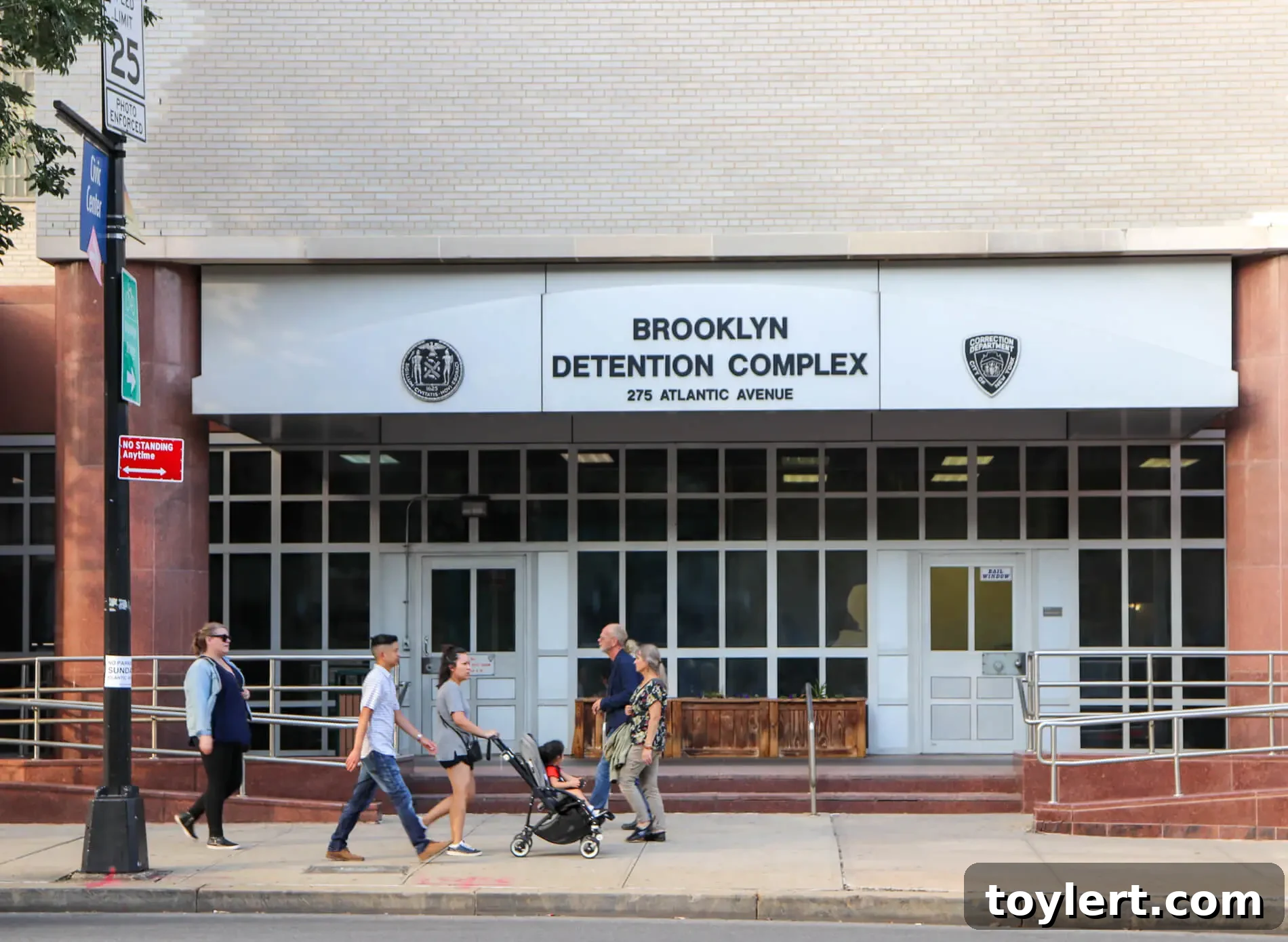
The Unanimous Call for Rikers’ Closure Meets Stormy Opposition Over New NYC Jail Plan
The sentiment is clear and resounding across New York City: Rikers Island must close. For decades, the notorious penal complex has symbolized the systemic failures of the American criminal justice system, plagued by allegations of brutality, neglect, and a cycle of dehumanization. The agreement on this fundamental necessity is virtually universal among city officials, advocates, and the public alike. Yet, as the city presses forward with its ambitious plan for a new borough-based jail system designed to replace Rikers, the initial consensus has fractured into widespread dismay and palpable anger.
While the goal of shuttering Rikers remains a shared objective, the proposed implementation—specifically the swiftness of the process and a perceived dearth of genuine public engagement—has ignited a fierce backlash. A recent public hearing at P.S. 133 in Park Slope, attended by over a hundred uneasy and often incensed residents, served as a stark illustration of this deepening chasm. The city’s current trajectory, far from unifying stakeholders, appears to be alienating critical community voices and undermining the very spirit of reform it purports to champion.
A Consensus on Closing Rikers, A Divide on Its Replacement
The call to close Rikers Island is not merely a political talking point; it is a moral imperative rooted in years of documented abuse, crumbling infrastructure, and a profoundly negative impact on human lives. The complex has become synonymous with a punitive, rather than rehabilitative, approach to justice, trapping individuals—many awaiting trial and presumed innocent—in conditions deemed inhumane by international standards. Advocates point to soaring costs, chronic staff shortages, a culture of violence, and the physical isolation that hinders family visitation and legal access as compelling reasons for its demise. The desire to replace this archaic system with something more humane, modern, and effective is a goal that few would dispute.
However, the city’s chosen path to achieve this closure involves constructing four new, smaller, borough-based detention facilities. The rationale is to decentralize the jail system, bring detainees closer to their communities and courthouses, facilitate family visits, and integrate rehabilitative services more effectively. On paper, this vision aligns with many progressive ideals of criminal justice reform. In practice, the specifics of site selection, design, and, crucially, the public consultation process, have transformed a broadly accepted vision into a deeply contentious battleground.
The City’s Vision: A Borough-Based Detention System
The core of New York City’s plan involves replacing the sprawling, isolated Rikers Island complex with smaller, more localized jails in each of the four main boroughs: Manhattan, Brooklyn, Queens, and the Bronx. These new facilities are envisioned to be state-of-the-art, equipped with modern amenities and designed to prioritize the dignity and well-being of those detained. Proponents argue that by placing these facilities within residential areas, detainees will have easier access to legal counsel, their families, and community support networks, all of which are critical for successful reintegration and reducing recidivism. The city emphasizes a shift towards a more humane and rehabilitative model, moving away from the punitive philosophy that has historically defined Rikers.
The plan outlines specific sites, many of which are in densely populated residential or mixed-use commercial areas. For instance, the Brooklyn proposed site at 260 Atlantic Avenue, near Park Slope, is a particular point of contention. While the city frames these as “smaller” facilities compared to Rikers, the proposed structures are still substantial, multi-story buildings that, to many residents, feel anything but small or integrated into the existing urban fabric. This stark contrast between the city’s narrative of modern, community-centric facilities and the community’s perception of large, intrusive structures has fueled much of the current public outcry.
Public Engagement: The Missing Cornerstone of Reform
At the heart of the widespread opposition lies a profound frustration over the perceived lack of meaningful public engagement. New York State Assemblywoman Jo Anne Simon articulated this sentiment succinctly, stating, “My concern is that the public engagement has been lacking. The public should have been engaged months ago.” Her call for the city to withdraw the current scoping, engage properly with the community, and then draw up a new plan reflects a pervasive feeling that residents have been sidelined in a process that directly impacts their neighborhoods and their city’s future.
Voicing Concerns: A Community United in Discontent
The public hearing in Park Slope served as a microcosm of broader citywide grievances, highlighting specific fears and criticisms:
- Speed and Secrecy: Many residents feel the process has been rushed, lacking transparency and sufficient time for communities to understand the proposals, raise questions, and offer constructive feedback. The speed at which the plan has progressed since the decision to close Rikers was made has left many feeling excluded and disrespected.
- Local Impact: The proposed sites, including the Brooklyn Detention Center, are often situated in already crowded neighborhoods. Residents express serious concerns about increased traffic, strains on local infrastructure, potential negative impacts on property values, and fundamental changes to the character of their communities. The idea of a major detention facility as a new neighbor is a difficult pill for many to swallow.
- Facility Size and Design: Despite the city’s assurance of “smaller” jails, the proposed designs often involve substantial high-rise structures. Communities question whether these designs truly integrate with the existing urban landscape and whether they align with the stated goal of creating more humane, less imposing environments. There is also skepticism about the actual capacity of these new jails and whether they will genuinely be “smaller” in terms of population.
- Alternative Solutions: A significant portion of the opposition isn’t just about “not in my backyard” (NIMBYism). Many critics argue that the city should be investing more heavily in alternatives to incarceration, such as community-based mental health services, drug treatment programs, and housing initiatives, rather than spending billions on building new jails. They propose a more radical rethinking of the justice system, focusing on prevention and diversion rather than new forms of detention.
- Economic Concerns: The astronomical cost of constructing these new borough-based jails—estimated in the billions of dollars—raises questions about fiscal responsibility and priority setting. Critics argue that such vast sums could be better allocated to addressing the root causes of crime and supporting struggling communities directly.
The cumulative effect of these concerns is a profound sense of disenfranchisement. Communities feel that their input is being treated as an afterthought, rather than an integral component of a democratic planning process. This perceived lack of genuine dialogue threatens to erode public trust and polarize a reform effort that initially enjoyed broad support.
Beyond the Headlines: Deeper Implications of the Borough-Based Plan
The debate surrounding the borough-based jail plan extends beyond immediate community concerns, touching upon deeper implications for equity, justice, and the future of New York City’s criminal justice landscape.
Equity and Justice: Who Bears the Burden?
While the goal is to bring detainees closer to their communities, critics raise questions about which communities are ultimately chosen to host these facilities. Are these decisions made equitably, or do they disproportionately impact already marginalized neighborhoods? The siting of these jails could perpetuate existing inequalities, placing the burden of the justice system more heavily on certain populations while others remain insulated. A truly just reform would ensure that the benefits and responsibilities are shared fairly across the city.
Funding Priorities: Jails or Community Services?
The multi-billion-dollar price tag for new jails sparks a fundamental debate about funding priorities. Advocates for alternatives to incarceration argue that this money could be far more effectively spent on programs that address the underlying socio-economic factors contributing to crime. Investing in education, affordable housing, mental health support, and job training could potentially reduce the need for incarceration altogether, leading to more sustainable and humane outcomes for individuals and communities.
Precedent and Future Planning:
The manner in which this plan is implemented sets a powerful precedent for future urban development and criminal justice initiatives. If public engagement is seen as merely a procedural hurdle rather than a genuine dialogue, it risks fostering cynicism and undermining future collaborative efforts. Effective urban planning, especially for sensitive public facilities, demands robust community input to ensure that projects are not only functional but also widely accepted and beneficial to the city’s diverse populations.
The Future of NYC’s Justice System: A Pivotal Moment
New York City stands at a pivotal juncture in its criminal justice reform efforts. The closure of Rikers Island presents an unprecedented opportunity to redefine how the city approaches detention and rehabilitation. However, achieving genuine, lasting reform requires more than just replacing old buildings with new ones. It demands a holistic approach that prioritizes human dignity, fosters community trust, and actively involves those most affected in shaping the solutions. Without addressing the core concerns about public engagement and transparency, the borough-based jail plan risks becoming another chapter in a history of top-down decisions that fail to meet the complex needs of a dynamic metropolis.
Moving Forward: Bridging the Divide
The path forward, as suggested by Assemblywoman Simon and numerous community members, necessitates a pause and a recalibration. True reform cannot be dictated from above; it must be built on a foundation of trust, collaboration, and mutual respect. The city has an opportunity to demonstrate its commitment to these values by:
- Withdrawing Current Scoping: Halting the current, rapid progression of the plan to allow for more considered and inclusive deliberation.
- Re-engaging with Communities: Initiating a new, comprehensive public engagement process that provides ample time for discussion, addresses specific site-related concerns, and genuinely incorporates community feedback into revised plans.
- Exploring Alternatives: Openly considering whether the current borough-based jail model is indeed the only or best solution, and exploring more robust investment in diversion programs and community-based justice initiatives.
Only through such a collaborative and transparent approach can New York City hope to achieve its noble goal of closing Rikers Island in a manner that truly advances justice, strengthens communities, and earns the enduring trust of its residents. The current discord is not an opposition to reform itself, but a powerful demand for a reform process that is as just and inclusive as its intended outcome.
% | % | % | % | % | % Single Page