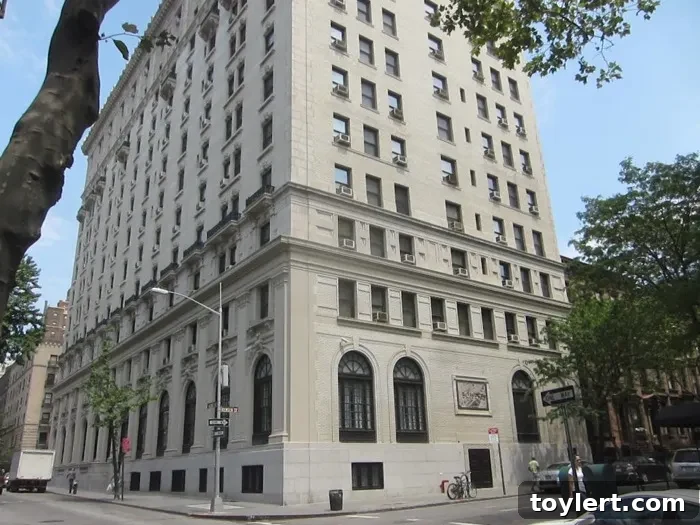
The Enduring Legacy and Anticipated Rebirth of The Bossert Hotel in Brooklyn Heights
The iconic Bossert Hotel, a true architectural jewel in the heart of Brooklyn Heights, continues to capture the imagination of residents and visitors alike as its grand reopening date approaches. A beacon of historic elegance, the hotel has been undergoing extensive renovations to restore it to its former glory as a world-class luxury destination. While the journey has been marked by a series of anticipated delays, the vision for The Bossert’s future remains bright, promising a sophisticated new chapter for this venerable landmark.
Originally slated for a spring 2014 debut, then pushed to early 2015, the reopening timeline for The Bossert has seen adjustments, reflecting the complex nature of restoring a building of such historical significance. David Bistricer, representing owner Clipper Equity, affirmed the commitment to excellence, stating, “Clipper Equity is excited to open a fully renovated and modernized world-class hotel in Brooklyn Heights by early next year.” This statement, shared with The Brooklyn Eagle, underscores the meticulous effort being poured into every detail, ensuring that when The Bossert does finally welcome guests, it will truly stand as a testament to luxury and heritage.
A Glimpse into The Bossert’s Storied Past
Erected in 1909, The Bossert Hotel quickly established itself as a premier establishment, often referred to as the “Waldorf-Astoria of Brooklyn.” Designed by the renowned architectural firm Helmle & Huberty, its Italian Renaissance Revival style, characterized by exquisite terracotta detailing and stately proportions, commanded attention. For decades, it was the social epicenter of Brooklyn Heights, hosting prominent figures, grand balls, and significant events that shaped the borough’s cultural landscape. Its grand ballroom, elegant dining rooms, and rooftop garden with panoramic views of Manhattan, the Statue of Liberty, and the Brooklyn Bridge, were legendary.
However, The Bossert’s journey took a distinctive turn in 1983 when it was acquired by the Watchtower Bible and Tract Society of New York, Inc., commonly known as the Jehovah’s Witnesses. For over three decades, the building served as a residential hotel for members of their organization, operating away from the public eye and the mainstream hospitality industry. This period, while preserving the building’s structure, also meant that its public-facing grandeur was largely dormant, fueling a collective desire for its eventual return as a vibrant community hub.
The Grand Vision: Renovation and Revival by Clipper Equity
The acquisition of The Bossert by Clipper Equity in 2012 marked the beginning of its most ambitious transformation yet. The vision was clear: to resurrect The Bossert not merely as a hotel, but as a luxury experience that seamlessly blends its historic charm with contemporary sophistication. This undertaking involves a comprehensive top-to-bottom renovation, touching every aspect from structural integrity to interior design and modern amenities.
The scope of the renovation is immense, aimed at delivering a “world-class” experience. This includes completely revitalizing guest rooms and suites with bespoke furnishings, state-of-the-art technology, and luxurious finishes. Public spaces, such as the grand lobby, ballroom, and potential new dining establishments, are being meticulously restored to reflect their original splendor while incorporating modern functionality and comfort. The goal is to create an environment where historical elegance is palpable, yet every modern convenience is effortlessly at hand. This adaptive reuse project requires a delicate balance of preservation and innovation, a challenge that Clipper Equity, under David Bistricer’s guidance, has embraced fully.
Navigating Delays: A Complex Journey to Perfection
The path to reopening a landmark hotel like The Bossert is rarely straightforward, and the various delays, including the most recent shift to early 2015, are indicative of the project’s intricate nature. Renovating an over century-old building, especially one with such architectural significance, presents numerous unforeseen complexities. Structural challenges, the discovery of hidden historical elements, and the inherent difficulties in updating antiquated systems to meet modern codes all contribute to extended timelines.
Furthermore, securing a suitable operator for a luxury hotel of The Bossert’s caliber is a crucial and often time-consuming process. During a Landmark Preservation Commission (LPC) hearing, architect Columb Mahoney of Woods Bagot revealed that an operator had not yet been finalized. Identifying a hotel brand or management group that aligns with the “world-class” vision and possesses the expertise to manage a high-end establishment in a competitive market like New York City is paramount. This strategic decision-making process can significantly impact the project’s timeline, as the operator often has input on design, amenities, and operational specifics. The commitment to finding the perfect match underscores the project’s dedication to quality over speed.
The Landmark Preservation Commission’s Pivotal Role
The involvement of the Landmark Preservation Commission (LPC) is a cornerstone of any significant renovation project for a designated landmark in New York City, and The Bossert is no exception. The LPC’s mandate is to protect and preserve the city’s historically and architecturally significant buildings. Every exterior alteration, and often significant interior changes, must undergo rigorous review and approval by the commission, ensuring that any modifications respect the building’s historical integrity.
News of the latest delay, for instance, emerged during an LPC hearing concerning a proposed change to the hotel’s front entrance awning. The commission ultimately voted in favor of replacing the existing red cloth awning with a more contemporary and durable black steel and glass structure. This specific alteration, while seemingly minor, represents the meticulous scrutiny applied to every detail of the renovation. Such processes, though essential for preservation, inherently add layers of bureaucracy and time to the construction schedule, as designs must be presented, debated, and approved before work can proceed. This collaboration ensures that while The Bossert embraces the future, its historic essence is lovingly maintained.
What to Expect: A Modern Luxury Experience with Historic Charm
When The Bossert finally reopens its doors, it is poised to redefine luxury hospitality in Brooklyn. Guests can anticipate an exquisite blend of old-world grandeur and contemporary comfort. The renovated hotel will likely feature a range of sophisticated accommodations, from elegantly appointed rooms to opulent suites, many offering breathtaking views of the Manhattan skyline, New York Harbor, and the verdant Brooklyn Heights neighborhood.
Beyond the guest rooms, The Bossert is expected to reclaim its status as a social and culinary hub. Plans likely include multiple dining options, from casual cafes to fine-dining restaurants, and a reborn rooftop bar that will undoubtedly become one of the city’s most coveted spots for cocktails and panoramic vistas. The grand ballroom, once the scene of legendary gatherings, will be meticulously restored to host weddings, conferences, and gala events, drawing both local and international clientele. The hotel will also cater to business travelers with state-of-the-art meeting facilities, alongside amenities like fitness centers and concierge services designed to offer an unparalleled guest experience. The integration of modern technology, without detracting from the historic ambiance, will be a key differentiator.
The Significance for Brooklyn Heights
The return of The Bossert Hotel as a public-facing luxury establishment holds immense significance for Brooklyn Heights. For decades, its operation as a private residence meant that one of the neighborhood’s most iconic buildings was largely inaccessible to the community and visitors. Its reopening signals a revitalization of the local economy, creating jobs and attracting tourists who seek to experience the unique charm and history of Brooklyn.
The hotel will not only serve as a luxurious lodging option but also as a vibrant gathering place, enriching the social fabric of Brooklyn Heights. Its restaurants, bars, and event spaces will provide new options for residents and contribute to the neighborhood’s dynamic atmosphere. The Bossert’s revival is more than just the opening of another hotel; it is the homecoming of a beloved landmark, a symbol of Brooklyn’s enduring appeal and its ability to seamlessly weave history with modern progress. Community excitement is palpable, with many eagerly anticipating the day they can once again step inside this magnificent structure and experience its grandeur.
A Bright Future on the Horizon
Despite the various challenges and revised timelines, the anticipation surrounding The Bossert Hotel’s reopening remains exceptionally high. The dedication to preserving its historic integrity while imbuing it with cutting-edge luxury speaks volumes about the commitment behind this ambitious project. When The Bossert eventually welcomes guests through its grand doors, it will undoubtedly reclaim its rightful place as a premier destination in New York City, offering a captivating blend of historical elegance, modern comfort, and unparalleled views. Its rebirth will mark a proud moment for Brooklyn Heights, signifying the successful culmination of a complex, yet incredibly rewarding, journey to restore one of the borough’s most cherished treasures.