1099 Willoughby Avenue: A Blueprint for Thoughtful Development in Bushwick
The vibrant and ever-evolving landscape of Bushwick, Brooklyn, welcomed a significant milestone on January 15th with the issuance of the final certificate of occupancy for the cluster of new buildings at 1099 Willoughby Avenue. After years of development and anticipation, this project now stands ready to house new residents, marking another chapter in Bushwick’s dynamic growth story. From a distance, or even upon closer inspection for those who have followed its progress, the transformation from cinderblock beginnings to its completed state is genuinely impressive. The result is a testament to how careful design and execution can elevate a simple structure into a noteworthy addition to the urban fabric.
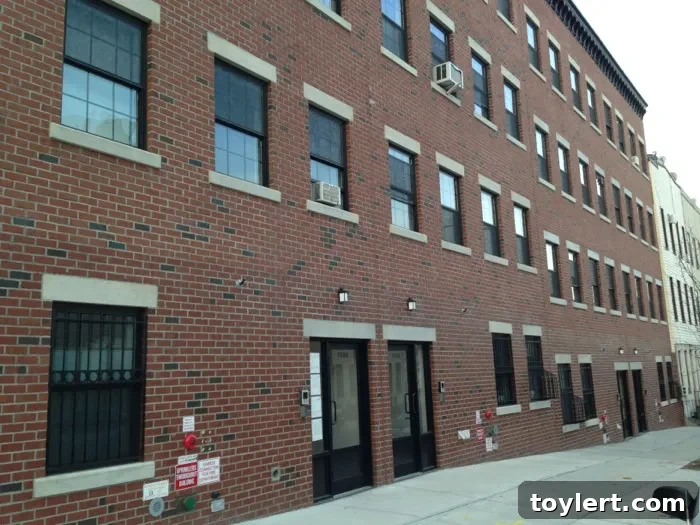
For observers who haven’t visited the site in some time, the finished aesthetic of 1099 Willoughby Avenue comes as a pleasant surprise. Breaking away from some of the more generic modern constructions that dot the city, these buildings present a refreshing return to classic design principles. The choice of materials and the overall architectural style speak volumes about a desire to create structures that are not only functional but also aesthetically integrated into the existing character of Brooklyn’s neighborhoods. It’s a welcome sight that promises to endure, offering a blend of tradition and modernity.
Architectural Elegance: A Classic Approach to Modern Urban Living
The beauty of 1099 Willoughby Avenue lies in its simplicity and the timeless appeal of its chosen materials. The buildings are clad in classic red brick, a material synonymous with the historic charm of Brooklyn and New York City at large. Red brick not only provides durability and low maintenance but also exudes a warmth and character that modern facades often struggle to replicate. This choice grounds the development firmly in its historical context while offering a contemporary finish.
Complementing the brickwork are the meticulously detailed cement window lintels, which add a touch of robustness and architectural definition to each opening. These elements are not just decorative; they serve to break the monotony of the brick expanse, creating visual interest and depth. The design is further enhanced by striking black cornices that crown the buildings, offering a crisp, sophisticated finish. These cornices provide a subtle yet powerful contrast to the red brick, emphasizing the building’s horizontal lines and giving it a refined, finished look that elevates it beyond the ordinary. The final touch of elegance comes from the black doors, which echo the cornice color and create a cohesive, inviting entrance for residents and visitors alike.
This deliberate design, combining red brick with cement accents and black details, creates a sophisticated yet understated aesthetic. It’s a design philosophy that eschews fleeting trends in favor of enduring style, proving that new constructions don’t need to be extravagant to be exceptional. Indeed, the prevailing sentiment is that if every new building could achieve this level of thoughtful design and material quality, our urban landscapes would be significantly richer. This development sets a laudable standard for how new projects can contribute positively to their surroundings, embodying a sense of decency and quality that often feels rare in rapid urban expansion.
The Significance of a Certificate of Occupancy in Brooklyn’s Housing Market
The issuance of a final certificate of occupancy (CO) is more than just a bureaucratic formality; it is a critical milestone in the life cycle of any construction project, particularly in a densely populated and regulated city like New York. A CO signifies that a building has been inspected and found to be in compliance with all applicable building codes and zoning laws, making it safe and ready for habitation. For developers, it marks the successful culmination of years of planning, construction, and navigating complex regulatory frameworks. For future residents, it provides assurance of safety, structural integrity, and livability. The CO for 1099 Willoughby Avenue therefore represents the official green light for people to move in, breathe life into the spaces, and contribute to the vibrant community of Bushwick.
This final approval is the culmination of various stages, from initial groundbreaking to framing, plumbing, electrical, and finishing work, each requiring multiple inspections and approvals. It underscores the rigorous process involved in bringing new housing stock to market in New York City, a process designed to protect both residents and the integrity of the urban environment. In a city grappling with an ongoing housing crisis, every new CO is a step towards alleviating demand and offering more options to a diverse population seeking to call Brooklyn home.
Bushwick’s Dynamic Evolution: Where History Meets Innovation
The development at 1099 Willoughby Avenue is not an isolated incident but rather a microcosm of Bushwick’s larger narrative of transformation. Once a predominantly industrial neighborhood with a rich working-class history, Bushwick has, over the past two decades, undergone a significant revitalization. It has evolved from a quiet industrial hub into a thriving cultural epicenter, attracting artists, entrepreneurs, and young professionals drawn to its unique blend of gritty charm, artistic vibrancy, and relative affordability compared to other parts of Brooklyn.
This revitalization has brought with it an influx of new businesses, art galleries, restaurants, and, inevitably, new residential developments. Projects like 1099 Willoughby Avenue play a crucial role in accommodating the growing demand for housing in this sought-after area. They represent the continuing evolution of Bushwick, balancing the preservation of its distinctive character with the imperative for growth and modernization. The architectural choices made at 1099 Willoughby, with its classic materials and understated elegance, seem particularly well-suited to this delicate balance, avoiding the jarring aesthetics that can sometimes accompany rapid gentrification.
Inside 1099 Willoughby: Comfort, Style, and Modern Livability
While the exterior of 1099 Willoughby Avenue makes a strong impression, the interiors are equally compelling, as evidenced by glimpses from old rental listings that showcased the spaces prior to their full occupancy. Described as “super nice,” these interiors likely feature modern finishes, thoughtful layouts, and an emphasis on comfort and functionality tailored to contemporary urban living. New developments in Bushwick often prioritize open-concept living areas, maximizing natural light through large windows, and incorporating high-quality materials and fixtures.
Prospective residents can expect amenities and design elements that reflect current trends in urban residential architecture: sleek kitchens with stainless steel appliances and ample counter space, modern bathrooms with stylish tiling, and comfortable bedrooms designed for rest and privacy. The “super nice” designation also suggests attention to detail in areas such as flooring, lighting, and possibly in-unit conveniences like washer/dryers or smart home features. Such interior design choices are vital in attracting and retaining residents in Brooklyn’s competitive rental and sales markets, ensuring that the living experience inside matches the quality promised by the elegant exterior.
Contributing to the Brooklyn Housing Narrative and Future Outlook
The completion of 1099 Willoughby Avenue is a positive contribution to Brooklyn’s diverse housing landscape. As demand continues to outstrip supply across the borough, new constructions in neighborhoods like Bushwick offer crucial relief and expand options for a wide array of residents. The deliberate choice of a classic, enduring aesthetic rather than a fleeting trend ensures that these buildings will likely age gracefully, maintaining their appeal and value for decades to come. This approach not only benefits the developers and residents but also the broader community, as it contributes to a visually harmonious and stable urban environment.
The successful integration of such a thoughtfully designed project into Bushwick reinforces the idea that urban growth can be both progressive and respectful of local character. 1099 Willoughby Avenue stands as a quiet yet powerful statement: new development can, and should, aim for decency, quality, and a timeless appeal. Its completion is not just about new apartments; it’s about adding enduring value to a beloved Brooklyn neighborhood and setting a benchmark for future projects in a city constantly reinventing itself.
In conclusion, the cluster of buildings at 1099 Willoughby Avenue in Bushwick is a prime example of how modern development can successfully marry functionality with aesthetic integrity. Its classic red brick facade, thoughtful detailing, and “super nice” interiors make it a standout addition to the neighborhood. As Bushwick continues its exciting transformation, projects like this one underscore the potential for sustainable, community-enriching growth, proving that good design is indeed good business and, more importantly, good for the city.