Historic Transformation: St. Luke’s Clinton Hill Church Prepares for Luxury Condo Conversion
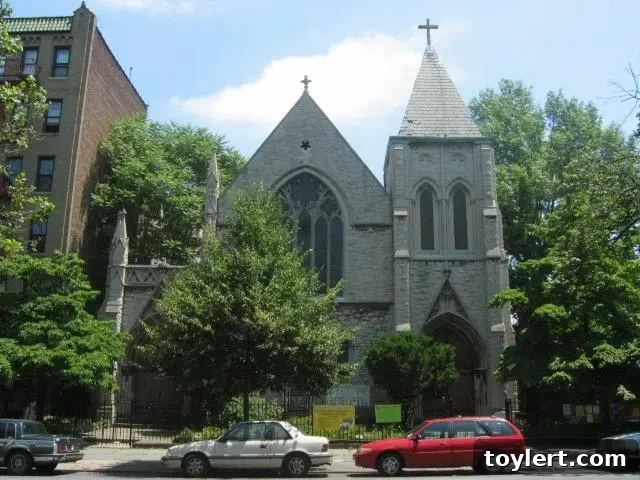
A significant shift is underway in the vibrant Clinton Hill neighborhood of Brooklyn, as a venerable landmark transitions from sacred space to sophisticated residences. Brookland Capital, a developer renowned for its impactful projects across Brooklyn, has successfully acquired St. Luke’s Evangelical Lutheran Church. This prominent property, located at 259 Washington Avenue, was purchased for an impressive $8.8 million, signaling a new era for the historic structure. Following a growing trend in urban redevelopment, the former house of worship is slated for an ambitious conversion into upscale condominiums, promising a unique blend of historical charm and modern luxury.
Brookland Capital’s Vision for Adaptive Reuse in Clinton Hill
Brookland Capital’s acquisition of St. Luke’s Church is a testament to the developer’s strategic vision and expertise in reimagining existing urban landscapes. Their plan to transform the church into luxury condos exemplifies the concept of adaptive reuse—a sustainable development practice that breathes new life into underutilized historic buildings. This approach is particularly valuable in dense urban environments like Brooklyn, where preserving architectural heritage while addressing housing demand is a constant challenge. By converting the church, Brookland Capital aims to deliver distinctive homes that stand apart from conventional new constructions.
The developer’s blueprint for 259 Washington Avenue is expected to carefully integrate contemporary residential amenities with the church’s inherent architectural grandeur. While detailed designs for the future condominiums are yet to be publicly unveiled, such conversions typically leverage the building’s original features. This often includes preserving magnificent soaring ceilings, expansive arched windows, and unique structural elements that contribute to an unparalleled living experience. The prospect of residing in a landmarked church conversion offers prospective homeowners an exclusive opportunity to own a piece of Brooklyn’s rich history, complete with all the comforts of modern high-end living in a highly desirable locale.
Navigating the Complexities of Landmarked Status
The transformation of St. Luke’s Evangelical Lutheran Church is significantly shaped by its status as a designated city landmark. This crucial detail, confirmed by city records, introduces a layer of complexity and stringent regulations that Brookland Capital must meticulously navigate. Landmarking is a powerful tool used to protect buildings of historical, cultural, and architectural significance, safeguarding them from inappropriate alterations or demolition. For developers, this means engaging in an extensive and often rigorous approval process with the Landmarks Preservation Commission (LPC), which holds authority over virtually all exterior changes and any interior modifications visible from the public realm.
According to initial reports, Brookland Capital’s plans include the restoration of “part of the exterior” and an “extension of the building in the back.” These intentions offer insight into the developer’s strategy for working within landmark guidelines. Exterior restoration typically demands a high degree of precision, involving the meticulous repair and preservation of original materials, finishes, and intricate architectural details. This often necessitates employing specialized artisans and traditional building techniques. Any proposed extension, particularly to the rear, must be carefully designed to ensure aesthetic harmony with the existing historic structure and its surroundings, while also adhering to strict LPC regulations concerning massing, materials, and visual impact. The primary challenge lies in striking a delicate balance: fulfilling modern residential requirements without compromising the historical integrity and distinct character of the church, a task that requires profound architectural skill and a deep appreciation for preservation principles.
The Architectural Legacy of St. Luke’s and Clinton Hill
Although specific architectural details of St. Luke’s Evangelical Lutheran Church were not extensively covered in the initial reports, many churches constructed in Brooklyn during its formative years showcase significant architectural styles such as Gothic Revival, Romanesque Revival, or other historically relevant designs. It is highly probable that St. Luke’s possesses unique features—perhaps elaborate stained-glass windows, intricate stone carvings, or a distinctive bell tower—that contribute significantly to the visual richness of the Clinton Hill streetscape. These very elements are central to its landmark protection and represent the unique allure that future residents will undoubtedly cherish, providing a living environment distinct from any other.
Clinton Hill itself is celebrated for its picturesque, tree-lined streets, its collection of elegant brownstones, and a vibrant, community-focused atmosphere. The thoughtful integration of a sensitively converted church into this esteemed neighborhood fabric is poised to enhance its appeal further, introducing diverse housing options that honor the area’s storied past. Successfully executed preservation and transformation projects of this scale often become a source of immense pride for the local community, serving as a testament to how architectural heritage can be imaginatively and sustainably sustained for contemporary use.
The Enduring Allure of Church Conversions in Brooklyn Real Estate
The conversion of historic churches into luxury residential properties is a well-established yet continuously compelling trend in the Brooklyn real estate market. These projects frequently exemplify the pinnacle of adaptive reuse, expertly transforming vast, open ecclesiastical spaces into truly remarkable homes. Homebuyers are consistently drawn to the unparalleled architectural grandeur, the tangible sense of history, and the often-dramatic interior features that are simply irreplicable in newly constructed buildings. From breathtaking double-height ceilings and original stained-glass windows that cast vibrant patterns of light, to former bell towers ingeniously converted into multi-level penthouses, church condos offer an extraordinary synthesis of historical charm and cutting-edge luxury.
In a fiercely competitive real estate market such as Brooklyn’s, where the demand for distinctive and character-filled properties remains exceptionally high, such unique conversions invariably command premium prices. They cater to a discerning niche market seeking residences with unparalleled individuality, expansive living areas, and a compelling narrative. Brookland Capital’s substantial $8.8 million investment in St. Luke’s Church underscores the significant inherent value placed on these rare opportunities. It reflects a robust confidence in the enduring desirability of Clinton Hill and the promising potential for a substantial return on investment once the intricate conversion process is complete and these distinctive units are introduced to the market.
Market Dynamics, Community Impact, and Sustainability
Clinton Hill’s real estate market has consistently demonstrated robust appreciation, fueled by its strategic location, an abundance of quality amenities, and its undeniable historical charm. The introduction of luxury condominiums within St. Luke’s Church will further enrich and diversify the existing housing stock, likely attracting new residents who possess a deep appreciation for the seamless integration of historical architecture with modern living. While large-scale developments can sometimes spark community discussions regarding issues like increased density or changes to neighborhood character, projects that prioritize exterior preservation and thoughtful contextual integration tend to mitigate such concerns. This is particularly true when undertaken by experienced developers like Brookland Capital, who possess a nuanced understanding of the delicate balance required when working with landmarked properties.
Beyond aesthetics and market appeal, adaptive reuse projects are increasingly celebrated for their significant environmental benefits. By conscientiously renovating and repurposing existing structures, developers substantially reduce the demand for new construction materials and minimize the generation of construction waste, thereby contributing to a more sustainable and environmentally conscious urban environment. This eco-friendly approach resonates deeply with a growing segment of modern homebuyers, adding yet another layer of compelling appeal to church conversion projects and aligning them with broader sustainability goals for urban development.
The Road Ahead: Design, Approvals, and Future Sales
The comprehensive journey from the acquisition of St. Luke’s Church to its eventual occupancy as a luxury condominium development is an intricate, multi-phased endeavor that demands extensive planning, sophisticated design, and a series of critical regulatory approvals. Brookland Capital is now poised to embark on the meticulous process of developing architectural plans that not only profoundly honor the church’s landmarked status but also skillfully craft highly desirable and functional living spaces. This complex phase necessitates close collaboration with architectural firms specializing in historical preservation, coupled with frequent and detailed consultations with the Landmarks Preservation Commission to ensure that every proposed detail meets their stringent and exacting standards.
Once all necessary designs receive formal approval, construction will commence. This phase will prioritize ensuring the structural integrity of the historic building, integrating state-of-the-art modern amenities, and undertaking the painstaking restoration of the church’s unique historic elements. The eventual sales launch for these distinctive residences is anticipated to generate considerable excitement and interest, as discerning buyers, eager for truly unique and historically rich properties in Brooklyn, will undoubtedly compete for the opportunity to reside within a piece of the borough’s enduring legacy. The transformation of St. Luke’s Evangelical Lutheran Church promises to be a landmark project in its own right, not merely for Brookland Capital, but also for the vibrant Clinton Hill community and the broader landscape of adaptive reuse and historic preservation within New York City’s dynamic real estate market.