The digital landscape thrives on connection, community, and authentic voices. However, the delicate balance between genuine content creation and commercial interests often leads to ethical dilemmas. Such was the case with the Brooklyn Blogfest in 2010, an event that, once a charming if disorganized gathering for local bloggers, dramatically shifted its focus, sparking a heated debate about transparency, credibility, and the integrity of online content. What began as a celebration of Brooklyn’s vibrant blogging scene morphed into a cautionary tale of undisclosed sponsorship, profoundly challenging the ethical boundaries within the burgeoning world of influencer marketing.
Originally conceived as a grassroots assembly, the Brooklyn Blogfest offered a unique platform for local voices to connect and share. In its nascent years, despite a certain lack of formal structure, it exuded an undeniable charm, fostering a sense of camaraderie among diverse Brooklyn bloggers. However, by 2010, an observable transformation had begun to take hold. This evolution ultimately led to our principled decision to boycott the event, as it became increasingly clear that its core values were being compromised by commercial pressures. The once-eclectic gathering had, regrettably, lost much of its original spirit, tilting heavily towards corporate interests at the expense of its community-driven ethos.
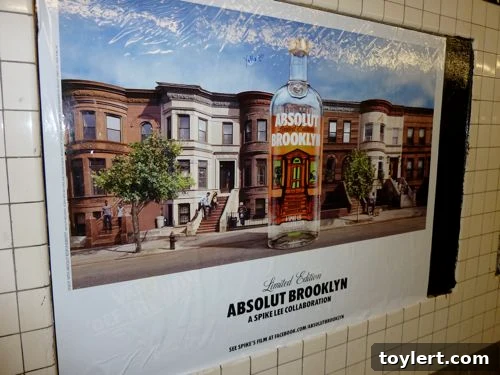
The turning point arrived with the announcement of Absolut as the primary sponsor for the 2010 Blogfest. This was no ordinary sponsorship; Absolut was leveraging the event to launch its new, high-profile Spike Lee-branded line of vodka. The implications of this commercial partnership were starkly highlighted by Norman Oder of Atlantic Yards Report in his incisive post, “Blogfest Meets Shillfest,” which chronicled the evening’s events at the Brooklyn Lyceum. Oder’s report painted a vivid picture of an event overshadowed by its commercial agenda, where the celebration of blogging took a back seat to brand promotion.
The presence of Spike Lee, a renowned filmmaker and cultural icon, added another layer of complexity. During his appearance, Lee momentarily mused about gentrification, referencing “white linen tables” on Lafayette and DeKalb avenues. Yet, he quickly corrected himself, acknowledging the sponsor: “This is to celebrate Absolut, so we’re not going to get into gentrification tonight. Sorry, Absolut.” This candid moment, captured by Oder, inadvertently underscored the implicit agreement between sponsor and event, signaling a clear boundary on discourse and a prioritization of commercial messaging over potentially controversial social commentary. It was a stark reminder of how deeply commercial interests could permeate and influence the content and atmosphere of such gatherings.
The central pillar of our criticism, however, revolved around the deeply problematic issue of undisclosed promotion. Weeks prior to the event, an email, which we subsequently posted in full, circulated among participating bloggers. This communication outlined a program where bloggers would receive valuable incentives—specifically, Flip video cameras and various Absolut-branded merchandise, or “swag”—in exchange for blogging and tweeting about the new vodka brand. This arrangement, while potentially lucrative for individual bloggers, came with a significant ethical caveat: the apparent lack of any requirement for disclosure regarding the sponsored nature of these posts and tweets. Many bloggers, indeed, participated in this promotional campaign, yet, as we observed, not a single instance of clear and transparent disclosure accompanied their enthusiastic endorsements.
This was not a simple matter of a company donating some refreshments and receiving banner placement in return—a transparent and generally accepted form of event sponsorship. Instead, it was a full-fledged “sell-out,” characterized by what we termed “paid-for but undisclosed editorial pimping.” The distinction is crucial: genuine sponsorship openly supports an event or platform, whereas this situation involved financial incentives directly influencing editorial content without proper identification. The event’s organizer, Louise Crawford of Only The Blog Knows Brooklyn, remained conspicuously silent on these “backroom deals,” failing to address the payola arrangement publicly. This silence compounded the problem, fostering an environment where commercial influence could masquerade as independent editorial judgment, thereby undermining the very foundation of trust that readers place in bloggers.
We unequivocally support bloggers in their pursuit of innovative and ethical avenues for compensation. The sheer effort, dedication, and time required to maintain a high-quality blog are substantial, and creators deserve to be fairly rewarded for their hard work. However, the bedrock of any credible online presence, particularly in the realm of independent blogging, is unwavering transparency. Readers are not only discerning but also remarkably understanding, provided they believe they are being treated honestly and directly. The moment that trust is eroded by undisclosed commercial influence, a blogger’s credibility suffers irreparable damage. Knowing “who’s buttering their bread” is fundamental for readers to assess content critically and to maintain faith in the authenticity of the voices they follow. Without this transparency, the line between genuine opinion and paid advertisement blurs, ultimately devaluing the entire blogging ecosystem and undermining the independent spirit it purports to uphold.
The experience of the 2010 Brooklyn Blogfest served as a potent illustration of these principles in action. Based on the detailed play-by-play reports, particularly from Atlantic Yards Report, it became abundantly clear that the evening’s agenda was overwhelmingly dominated by the promotion of Absolut, rather than any substantive engagement with the craft or community of blogging. The event, in essence, transformed into a prolonged marketing opportunity for a corporate sponsor, rather than a genuine celebration of independent online voices.
The widespread disillusionment and critical sentiment were not confined to our observations alone; they reverberated across the blogging community and on social media. For instance, the Sunset Park Chronicle succinctly captured the prevailing mood in a tweet, stating: “brooklyn blogfest–the creative unite…or become captive audience for spike lee’s absolute vodka fest. Weird.” This pithy comment encapsulated the uncomfortable shift, highlighting how an event ostensibly about creativity had become a commercial showcase. Another disgusted tweet from Lisa Guido further solidified the notion that many attendees and observers felt similarly uneasy with the perceived “sell-out.” These reactions underscored a collective discomfort with the lack of transparency and the prioritization of brand promotion over community engagement, signaling a broader expectation within the online sphere for authenticity and ethical conduct.
In the wake of the controversy, Norman Oder took further action, directly addressing Louise Crawford on the New York Times’ City Room blog, where she was featured in a piece titled “Ask The Brooklyn Blogger.” Oder’s posted a question specifically challenging Crawford on the Absolut sponsorship and the lack of disclosure. The community keenly awaited her response, hoping for clarity and accountability on an issue that had deeply resonated within the blogging world.
Update: Louise Crawford eventually published a post addressing the Absolut sponsorship issue, attempting to clarify her position and defend the event. However, her response, much like others in this unfolding dialogue, appeared to either misinterpret or deliberately obscure the fundamental thrust of our criticism. It is crucial to reiterate that our objection was never directed at sponsorship or advertising in principle; indeed, as a content platform ourselves, we recognize and depend on these mechanisms for our livelihood. Our core issue was, and remains, the practice of promotional blog posts and tweets provided for remuneration that are not explicitly and transparently identified as such. The failure to clearly label sponsored content as distinct from independent editorial constitutes a serious ethical lapse, betraying reader trust and blurring the vital distinction between authentic expression and paid endorsement. True transparency is not merely about having sponsors, but about making the nature of that relationship unequivocally clear to one’s audience at all times.
The “Invite to Collaborate with ABSOLUT + Spike Lee” email, dated May 5, 2010, serves as irrefutable evidence of the direct nature of the sponsorship arrangement and the explicit expectation of promotional activity. This communication laid bare the transactional foundation of the partnership, clearly outlining the quid pro quo: material compensation for specific brand promotion. The existence of such an invitation underscores the premeditated design behind the Blogfest’s transformation from a community event into a marketing vehicle, emphasizing the need for robust ethical frameworks to govern such collaborations in the digital age.
The Brooklyn Blogfest saga of 2010 provided invaluable lessons for the evolving landscape of digital content creation, influencer marketing, and event organization. It forcefully highlighted that while commercial partnerships can be vital for sustaining digital platforms and events, these relationships must be predicated on an unwavering commitment to transparency and ethical conduct. For bloggers, the integrity of their voice and the trust of their readership are their most precious assets, far more valuable than any short-term gains from undisclosed endorsements. Brands and event organizers, in turn, bear a responsibility to foster environments that uphold, rather than undermine, these core principles.
Moving forward, the onus is on all stakeholders—bloggers, platforms, brands, and audiences—to demand and practice clear, unambiguous disclosure. Best practices for sponsored content, such as explicit labels like #ad or #sponsored, dedicated disclosure sections, and comprehensive transparency statements, are not merely regulatory compliance measures; they are essential tools for maintaining authenticity and credibility. In an increasingly interconnected and commercially driven digital world, the ability to discern genuine content from paid promotion is paramount for an informed and trusting audience. The legacy of the Brooklyn Blogfest controversy serves as a timeless reminder that while content may be king, transparency is the crown jewel that ensures its enduring reign.