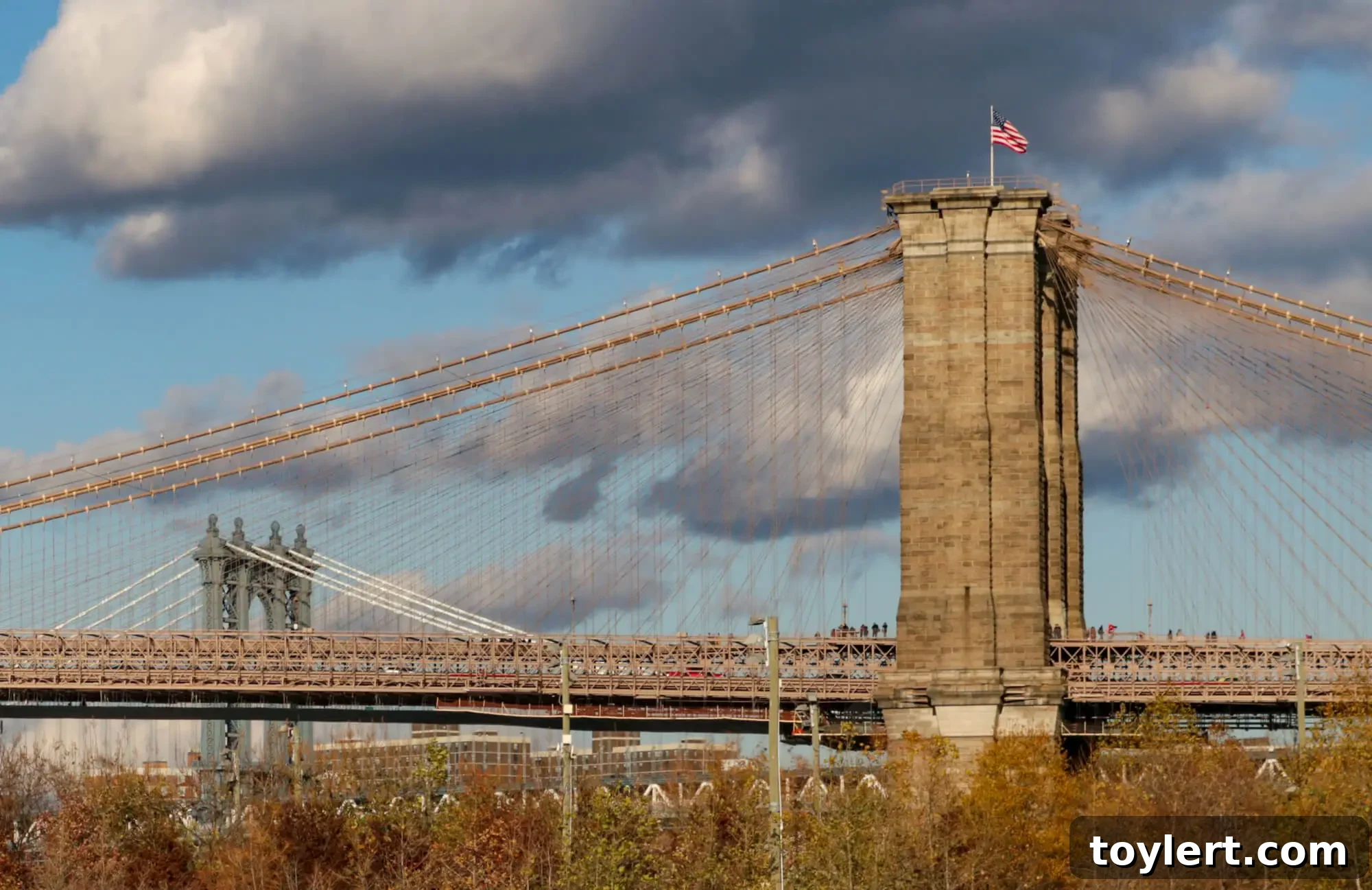
Tragic Multi-Vehicle Collision on Brooklyn Bridge: One Fatality, Multiple Injuries, and Lingering Questions
A horrifying scene unfolded on the iconic Brooklyn Bridge this morning as a catastrophic multi-vehicle collision involving four vehicles resulted in a tragic loss of life and several injuries. The severity of the crash was underscored by the fact that three of the vehicles involved were engulfed in flames, transforming a routine commute into a terrifying emergency.
According to initial reports, confirmed by the New York Times, one individual lost their life in the harrowing incident, while six others sustained various degrees of injuries. The tragic event sent shockwaves across New York City, halting traffic on one of its most vital arteries and drawing a massive emergency response. The smoke plumes visible from a distance served as a stark reminder of the unfolding disaster, prompting immediate concern among residents and commuters.
Horrible scene at the Brooklyn Bridge this morning, NYFD is amazing to watch in action pic.twitter.com/KIVM8kORgD
Immediate Aftermath and Heroic Emergency Response
The collision, which occurred during peak morning rush hour, quickly escalated into a full-blown emergency. Witnesses described a chaotic scene with mangled metal, shattered glass, and towering flames consuming the vehicles. The swift response from the New York City Fire Department (FDNY), Emergency Medical Services (EMS), and the New York Police Department (NYPD) was critical in mitigating further catastrophe. Firefighters bravely tackled the intense blaze, working tirelessly to extinguish the inferno and prevent it from spreading. Their efforts were commendable, demonstrating the professionalism and dedication of the city’s first responders in the face of extreme danger.
Paramedics and EMTs were on the scene within minutes, providing immediate medical attention to the injured. The wounded individuals were promptly transported to nearby hospitals, with their conditions ranging from serious to minor. The coordinated efforts of these emergency personnel were pivotal in stabilizing the situation and ensuring that those in need received urgent care. The bravery displayed by these individuals often goes unsung, but in moments of crisis like this, their unwavering commitment to public safety shines through.
Traffic Chaos and Commuter Impact
The Brooklyn Bridge, a marvel of engineering and a crucial link between Manhattan and Brooklyn, was immediately shut down in both directions following the crash. This closure led to extensive traffic gridlock across downtown Manhattan and Brooklyn, causing significant delays for thousands of commuters. Buses were rerouted, subway lines experienced increased loads, and ferry services became an alternative for many scrambling to reach their destinations. The incident underscored the fragility of urban infrastructure and how quickly a single event can disrupt the daily rhythm of a bustling metropolis.
For hours, the bridge remained inaccessible as investigators meticulously examined the scene, debris was cleared, and structural integrity checks were conducted. The ripple effect of the closure extended throughout the city’s transportation network, affecting everything from local deliveries to cross-borough travel. Commuters experienced frustration and delays, but the overarching sentiment was one of somber reflection on the tragic events that had unfolded just hours earlier. The economic impact of such a major artery being closed, even temporarily, is also considerable, affecting businesses and productivity across the region.
Unraveling the Mystery: The Ongoing Investigation
Authorities have launched a comprehensive investigation to determine the precise cause of this devastating multi-vehicle collision. While details are still emerging, investigators will be examining various factors, including vehicle speeds, driver behavior, potential mechanical failures, and road conditions at the time of the accident. Eyewitness accounts, surveillance footage from bridge cameras, and forensic analysis of the wreckage will be crucial in piecing together the sequence of events that led to such a tragic outcome.
Understanding the root cause is paramount not only for accountability but also for implementing future preventive measures. Was it a case of distracted driving? Excessive speed? A sudden lane change? Or perhaps a chain reaction initiated by an unforeseen circumstance? These questions drive the investigative process, as every detail holds significance in preventing similar incidents from occurring in the future. The findings of this investigation will likely contribute to ongoing discussions about road safety and driver responsibility on New York City’s busy thoroughfares.
Road Safety on Iconic Structures: A Broader Perspective
The Brooklyn Bridge, an architectural masterpiece dating back to 1883, carries millions of vehicles annually. Its historical significance and vital role in New York City’s infrastructure also make it a focal point for traffic safety discussions. Accidents on bridges, especially multi-vehicle collisions, pose unique challenges due to limited escape routes and the potential for devastating impacts. This incident serves as a stark reminder of the inherent risks associated with high-volume traffic on such critical structures.
Factors contributing to bridge accidents often include high traffic density, varying speed limits, sudden lane merges, and the psychological effect of driving over open water. Driver vigilance is paramount, as is adherence to traffic laws. City planners and engineers continually work to improve safety features on bridges, from advanced traffic monitoring systems to enhanced signage and barrier protections. Yet, human error remains a significant variable in most vehicular accidents, emphasizing the need for continuous public awareness campaigns on safe driving practices.
The Human Toll and Community Impact
Beyond the immediate chaos and traffic disruptions, the collision on the Brooklyn Bridge leaves a profound human toll. The loss of a life is an immeasurable tragedy, and the injuries sustained will undoubtedly have long-lasting physical and emotional consequences for the victims and their families. First responders, witnesses, and even those who simply drove by the horrific scene are often affected by the trauma of such events. Support systems for these individuals are crucial in the aftermath of major accidents.
Such incidents also ripple through the broader community, reinforcing concerns about road safety and the unpredictability of daily life in a bustling city. They prompt conversations about collective responsibility, the importance of defensive driving, and the need for compassion and support for those affected. The Brooklyn Bridge, usually a symbol of connection and resilience, momentarily became a site of profound sorrow, reminding everyone of the preciousness of life and the ever-present need for caution on our roadways.
Looking Forward: Enhancing Safety and Preparedness
While the investigation into this particular Brooklyn Bridge crash continues, the incident undoubtedly spurs a renewed focus on enhancing traffic safety and emergency preparedness. This includes evaluating current emergency response protocols, assessing traffic management strategies during major incidents, and reinforcing public education campaigns on safe driving habits. Technological advancements in vehicle safety, such as autonomous emergency braking and lane-keeping assist systems, could also play an increasingly important role in reducing the severity and frequency of such collisions.
Moreover, the incident serves as a call for all drivers to exercise heightened awareness and responsibility. Distracted driving, impairment, and aggressive behavior behind the wheel are factors that can turn a routine journey into a life-altering tragedy. As New Yorkers and visitors continue to traverse the city’s iconic bridges and roadways, this unfortunate event stands as a somber reminder of the collective commitment required to ensure safer streets for everyone. The city will heal, the traffic will resume, but the lessons learned from this tragic day on the Brooklyn Bridge must endure to prevent future heartache.