The Enduring Allure of Brooklyn Brownstones: A Journey Through History and Architecture
For countless individuals, the brownstone stands as an unparalleled emblem of Brooklyn, its iconic status rivaling that of the majestic Brooklyn Bridge itself. While other New York City boroughs certainly feature attached masonry row houses, none capture the quintessential spirit and historical resonance quite like the distinguished brownstone residences found throughout Brooklyn. These architectural marvels are more than mere buildings; they are silent witnesses to the borough’s dynamic past, enduring symbols of aspiration, community, and the ever-evolving urban landscape.
As the United States underwent a period of rapid urbanization in the 19th century, cities burgeoned, and with them, the need for dense, efficient housing became paramount. This era saw the widespread adoption of the row house, an architectural form deeply rooted in centuries-old European traditions, particularly those found in cities like London and Amsterdam. Brooklyn, in particular, experienced an unprecedented population boom. People from diverse backgrounds and every income level flocked to its shores, all seeking opportunity, a better quality of life, and the creature comforts that were increasingly becoming accessible. Brooklyn skillfully leveraged its appeal, branding itself as the “city of homes and churches” – a marketing slogan as effective and resonant then as any devised today. Under this banner, Brownstone Brooklyn’s neighborhoods flourished, growing exponentially and solidifying the borough’s reputation as a desirable residential haven.
The Genesis of Brownstone: Material, Style, and Community
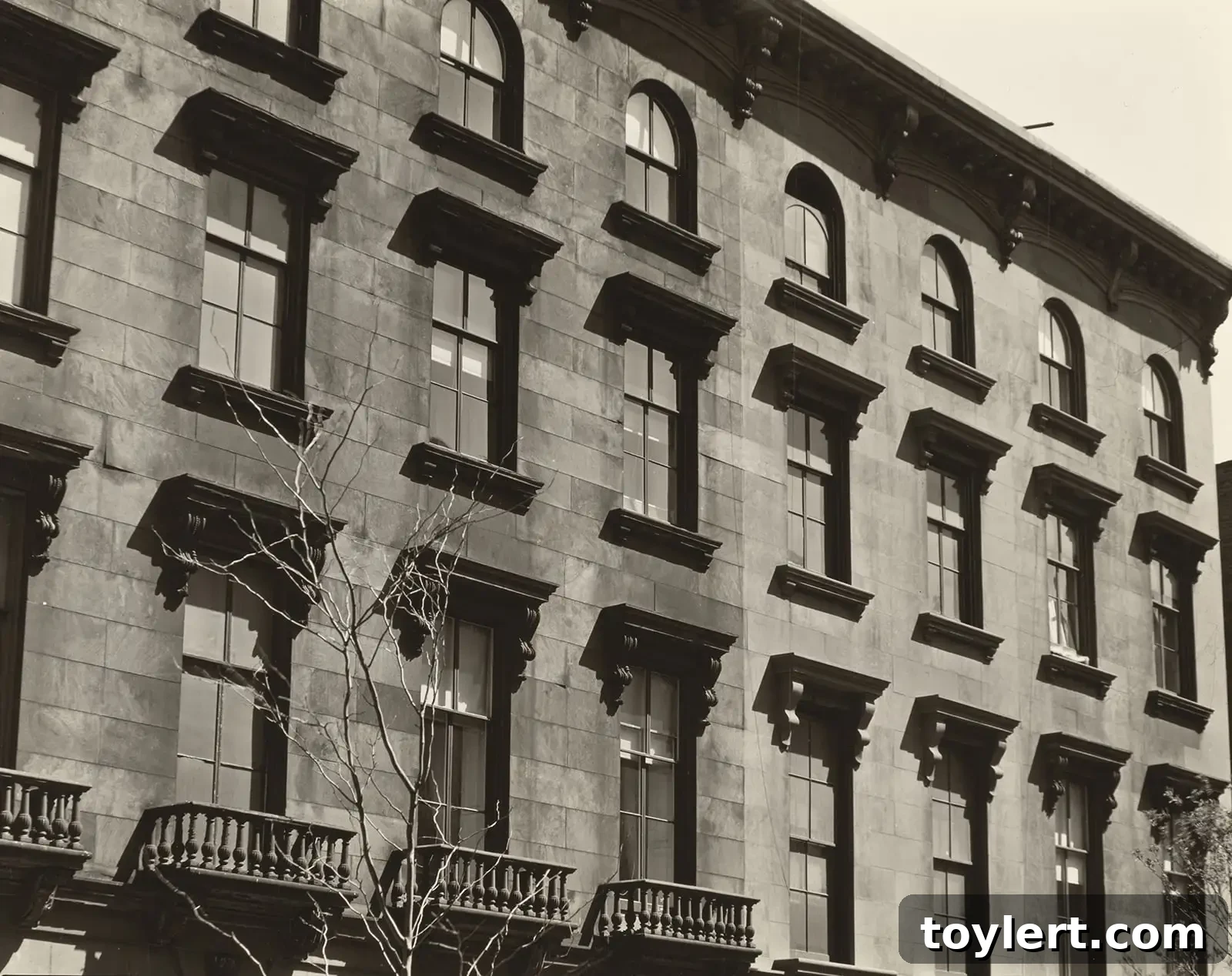
The term “brownstone” refers primarily to the reddish-brown sandstone used as a facade material for these elegant homes. Quarried extensively in states like Connecticut, New Jersey, and Pennsylvania, brownstone was readily available and relatively easy to carve, making it an ideal choice for the burgeoning construction industry of the mid-19th century. Its warm, earthy hue provided a striking contrast to the grey stone and brick commonly used at the time, lending a distinctive, sophisticated character to entire blocks.
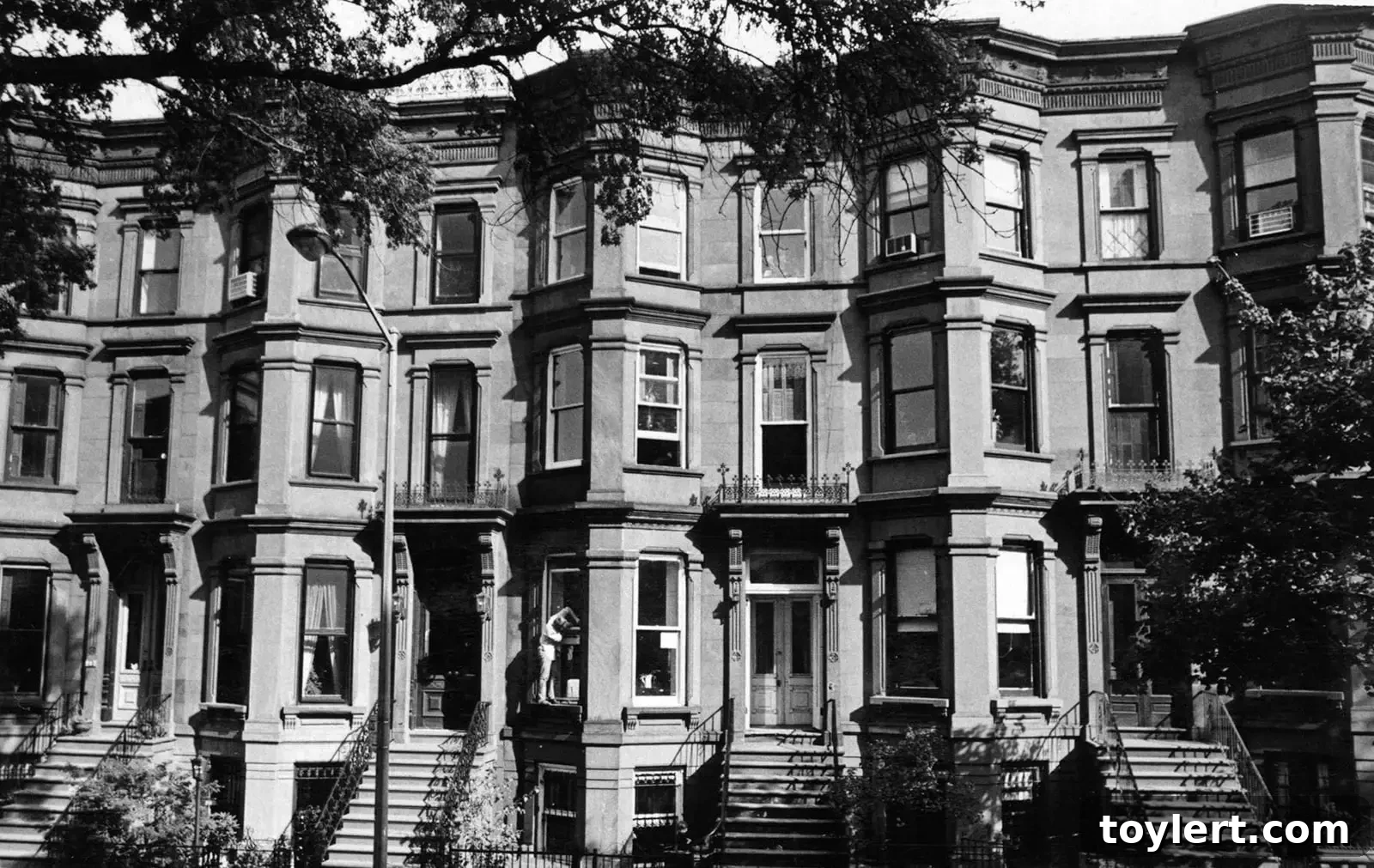
Architecturally, Brooklyn brownstones typically exhibit influences from Italianate, Neo-Grec, and Romanesque Revival styles. Key features often include grand stoops leading to the parlor floor, intricate cornices, elaborate window moldings, and decorative ironwork. These homes were designed not just for aesthetics but also for function, offering generous living spaces, high ceilings, and an efficient layout for families. Neighborhoods like Brooklyn Heights, Park Slope, Fort Greene, Cobble Hill, and Carroll Gardens became synonymous with this particular style of housing, each developing its own unique charm while sharing the common thread of brownstone elegance. The uniform yet individually adorned facades created a harmonious streetscape, fostering a strong sense of place and community.
These row houses provided an ideal solution for a growing middle and upper-middle class seeking spacious, comfortable homes within close proximity to Manhattan’s commercial centers. The development of efficient ferry services and later the Brooklyn Bridge made commuting feasible, allowing Brooklyn residents to enjoy more expansive properties and a quieter, more residential lifestyle than was possible in crowded Manhattan. This period, from roughly the 1840s through the early 1900s, marked the golden age of the Brooklyn brownstone, a time when these homes symbolized prosperity, stability, and a refined urban existence.
Decline and Exodus: The Changing Tides of the Early 20th Century
However, as the 20th century progressed, the fortunes of Brooklyn’s brownstone neighborhoods began to shift dramatically. Fast forward to the 1920s and into the challenging years of the Great Depression, and significant socio-economic changes were afoot. The wealthy residents who had once proudly occupied grand Brooklyn townhouses started their exodus. Their migration was spurred by a combination of factors: the rise of the automobile made suburban living more accessible and appealing, offering larger plots of land and a perceived escape from urban grime. New luxury apartment buildings, often featuring modern amenities and services, also began to draw affluent families away from the maintenance-intensive brownstones. Upscale suburbs in Westchester County and on Long Island became increasingly attractive destinations, promising a new ideal of residential comfort.
This demographic shift, exacerbated by the economic hardships of the Depression, led to a period of decline for many brownstone districts. As original owners moved out, property values plummeted. Many of these stately homes, once symbols of single-family affluence, were subdivided into smaller, more affordable apartments, rooming houses, or even left to fall into disrepair. The intricate architectural details became worn, gardens overgrown, and the vibrant communities that once thrived began to show signs of neglect. This era represented a stark contrast to the earlier prosperity, leaving many brownstones as architectural ghosts of a bygone era, their former grandeur obscured by decades of changing urban dynamics and economic downturns.
The Brownstone Revival: A New Chapter for Historic Brooklyn Homes
The mid-20th century, however, heralded a remarkable turnaround for these beleaguered historic Brooklyn homes – a phenomenon now famously known as the Brownstone Revival. Beginning in earnest in the 1960s and gathering momentum into the 1970s, a new wave of urban pioneers, including artists, young professionals, and preservationists, began to rediscover the inherent charm and potential of these neglected properties. Drawn by the relatively affordable prices, the ample space, the unique architectural character, and the established community infrastructure, these visionaries saw beyond the peeling paint and boarded-up windows.
These new residents embarked on ambitious and often painstaking renovation projects, restoring brownstones to their former glory. This grassroots movement was not merely about property acquisition; it was a passionate commitment to architectural preservation and a desire to reclaim the urban core. Neighborhoods that had once been considered in decline, like Park Slope, Fort Greene, and ultimately Brooklyn Heights (which had been an early leader in preservation efforts with the establishment of its historic district in 1965), experienced a renaissance. Block by block, the distinctive facades were cleaned, original details meticulously repaired or recreated, and interiors reimagined for contemporary living while honoring their historical integrity. This revival spurred the formation of numerous community groups and preservation societies, which played a crucial role in advocating for landmark status, thereby protecting these architectural treasures from demolition and insensitive modernization.
The Brownstone Revival was a pivotal moment in New York City’s urban history, demonstrating the power of community-led preservation and reversing decades of urban flight. It transformed brownstones from undervalued relics into highly coveted properties, laying the groundwork for Brooklyn’s eventual rise as one of the most desirable and expensive real estate markets in the world.
Brownstones Today: Icons of Heritage and Modern Luxury
Today, brownstones are arguably more celebrated and sought-after than ever before. They represent a unique blend of historical authenticity, architectural beauty, and urban luxury. Owning a Brooklyn brownstone is not just about possessing a home; it’s about holding a piece of New York City history, becoming a custodian of a cherished architectural legacy. The intricate details, the soaring ceilings, the sense of permanence, and the vibrant street life that surrounds them contribute to their enduring appeal.
While the brownstone revival brought renewed life to these neighborhoods, it also ushered in significant changes, including gentrification and soaring property values. These homes, once a symbol of attainable grandeur for the aspiring middle class, are now largely the domain of the affluent, often commanding multi-million dollar prices. Yet, their cultural impact remains profound. They feature prominently in film, television, and literature, serving as an iconic backdrop for stories set in Brooklyn and perpetuating their image as architectural masterpieces.
The journey of the Brooklyn brownstone—from a practical solution for urban growth to a symbol of decline, and finally to an emblem of revival and modern luxury—is a compelling narrative of adaptation and enduring charm. They stand as magnificent testaments to the skill of 19th-century builders, the resilience of urban communities, and the timeless appeal of well-crafted architecture. More than just buildings, Brooklyn brownstones embody the very soul of the borough, a rich tapestry woven with history, aspiration, and an undeniable, magnetic allure that continues to captivate residents and admirers worldwide.