Embarking on the journey to purchase a brownstone or townhouse can feel like navigating a complex maze. These distinctive properties, often rich in history and architectural charm, present unique opportunities and challenges for prospective buyers. From understanding the nuances of a competitive market to securing specialized financing and planning for future renovations, each step requires careful consideration and expert guidance. This comprehensive guide aims to demystify the process, offering insights that empower you to make informed decisions and transform your dream of owning a historic home into a tangible reality.
Mastering the Art of Buying Brownstones and Townhouses
The allure of a brownstone or townhouse is undeniable. With their grand facades, intricate details, and prime locations in some of the most sought-after neighborhoods, these homes represent not just a dwelling, but a piece of history and a significant investment. However, their unique character also means that the buying process differs significantly from acquiring a more conventional property. To navigate this specialized market successfully, you need more than just a real estate agent; you need a team of experts, a clear understanding of market dynamics, and a solid strategy.
Navigating the Dynamic Real Estate Market for Historic Homes
Before you even begin house hunting, a thorough assessment of the brownstone and townhouse market is paramount. This isn’t just about general real estate trends; it’s about understanding the specific factors that influence these unique properties.
Current Market Assessment: What You Need to Know
- Historical Value vs. Modern Demand: Brownstones and townhouses often command premium prices due to their architectural significance and limited availability. Understanding how historical preservation policies, neighborhood demographics, and current buyer demand intersect is crucial.
- Location, Location, Location: While true for all real estate, it’s amplified for townhouses. Proximity to amenities, schools, transportation, and green spaces significantly impacts value and desirability. Researching specific blocks and their micro-markets can reveal hidden gems or potential pitfalls.
- Supply and Demand: Unlike newly constructed homes, the supply of brownstones and townhouses is inherently limited. This scarcity can lead to competitive bidding wars and rapid price appreciation in desirable areas. Staying updated on recent sales, average time on market, and inventory levels will provide a realistic picture.
- Economic Indicators: Broader economic factors like interest rates, inflation, and local job growth can influence buyer confidence and affordability. An expert assessment can help you contextualize these macro trends within the specific brownstone market.
An expert perspective provides invaluable insights, helping you discern genuine value from inflated prices and identify emerging opportunities. They can provide data-driven forecasts, helping you anticipate market shifts and position yourself advantageously.
What to Look For: Identifying Your Ideal Townhouse
Once you have a handle on the market, the next step is to meticulously evaluate individual properties. Buying a brownstone means looking beyond aesthetic appeal to understand the structural integrity, historical nuances, and potential for modernization.
Key Considerations During Property Search and Inspection
- Structural Soundness: This is non-negotiable. Pay close attention to the foundation, load-bearing walls, roof condition, and any signs of water damage, settling, or significant cracks. Historic homes can have complex structural issues that require specialized inspections.
- Mechanical Systems: Evaluate the plumbing, electrical, and HVAC systems. Outdated systems can be costly to replace and may not meet modern safety codes. Check the age of the boiler, hot water heater, and electrical panel.
- Original Features vs. Updates: Many buyers are drawn to brownstones for their original details—fireplaces, plaster moldings, hardwood floors, pocket doors. Assess the condition of these features and consider whether previous renovations have compromised their integrity or charm.
- Layout and Livability: Think about how the existing layout fits your lifestyle. Can it be adapted to your needs? Are there opportunities to enhance natural light or flow? Consider the number of bedrooms, bathrooms, and living spaces relative to your household size.
- Exterior Condition: The facade, brownstone material, windows, and roof are critical. Deteriorated brownstone requires specialized restoration. Check for properly functioning gutters and drainage to prevent water intrusion.
- Historical District & Zoning Regulations: Many brownstones are located within historic districts, meaning exterior renovations may require approval from local preservation commissions. Understand the zoning laws that govern permissible uses and future expansion possibilities.
A specialized home inspector with experience in historic properties is an absolute must. Their expertise can uncover hidden issues that a general inspector might miss, saving you from costly surprises down the line.
Securing Financing: Navigating Complex Situations
Financing a brownstone or townhouse can be more intricate than financing a standard single-family home, particularly given their age, potential for renovation, and sometimes multi-unit configurations.
Strategies for Complex Financing
- Specialized Lenders: Not all lenders are equally equipped to handle the unique aspects of historic properties. Seek out banks and mortgage brokers who have extensive experience with brownstones, renovation loans, and multi-unit dwellings. They understand the appraisal challenges and unique underwriting criteria.
- Renovation Loans: If your chosen property requires significant updates, consider options like FHA 203(k) loans or conventional renovation loans (e.g., Fannie Mae HomeStyle). These allow you to finance both the purchase and the renovation costs into a single mortgage, simplifying the process.
- Appraisal Challenges: Appraising historic homes can be difficult due to a lack of comparable sales. Lenders need to be comfortable with the valuation process for unique properties, taking into account architectural significance and potential future value post-renovation.
- Owner-Occupied vs. Investment Property: If the brownstone includes rental units, the financing structure will differ. Owner-occupied multi-unit properties (up to four units) often qualify for residential mortgages, while properties with more units or those purchased purely for investment purposes fall under commercial lending guidelines, which typically have different down payment requirements and interest rates.
- Pre-Approval is Key: In a competitive market, a robust pre-approval from a reputable lender demonstrates your seriousness and financial readiness, giving you an edge over other buyers.
Understanding these financing avenues and working with experts who specialize in historic real estate will significantly ease the financial burden and ensure you secure the best possible terms for your investment.
Landlord Basics: Considerations for Multi-Unit Townhouses
Many brownstones are configured as multi-unit dwellings, offering the potential for rental income to offset mortgage costs. If you’re considering a property with tenants or planning to convert part of your home into a rental, understanding landlord responsibilities is crucial.
Essential Knowledge for Aspiring Landlords
- Local Landlord-Tenant Laws: These vary significantly by city and state. Familiarize yourself with regulations concerning leases, security deposits, eviction procedures, tenant rights, and property maintenance standards. Cities like New York, for example, have complex rent control and rent stabilization laws that must be navigated carefully.
- Lease Agreements: Develop a comprehensive and legally sound lease agreement that clearly outlines terms, responsibilities, rent payment schedules, and rules for both landlord and tenant.
- Tenant Screening: Implement a thorough screening process that includes credit checks, background checks, employment verification, and references. Selecting reliable tenants is paramount to a successful landlord experience.
- Property Management: Decide whether you will manage the property yourself or hire a professional property management company. Self-management requires time, responsiveness, and a good understanding of maintenance issues. A management company handles daily operations, tenant relations, and maintenance, but comes at a cost.
- Financial Planning: Factor in potential vacancies, maintenance costs, property taxes, insurance, and legal fees when calculating potential rental income and overall profitability. A realistic financial model is essential.
- Maintenance and Repairs: As a landlord, you are responsible for maintaining a safe and habitable living environment. Be prepared for regular maintenance and emergency repairs. Having a network of reliable contractors is invaluable.
Becoming a landlord requires more than just owning a property; it demands diligence, legal awareness, and excellent interpersonal skills. Expert advice can help you set up robust systems from the start.
Renovations: Maximizing Livability and Value
One of the joys of owning a brownstone is the opportunity to personalize and enhance its character. However, renovations in historic homes come with their own set of considerations, balancing modern comfort with historical preservation.
Smart Renovations for Enhanced Livability and ROI
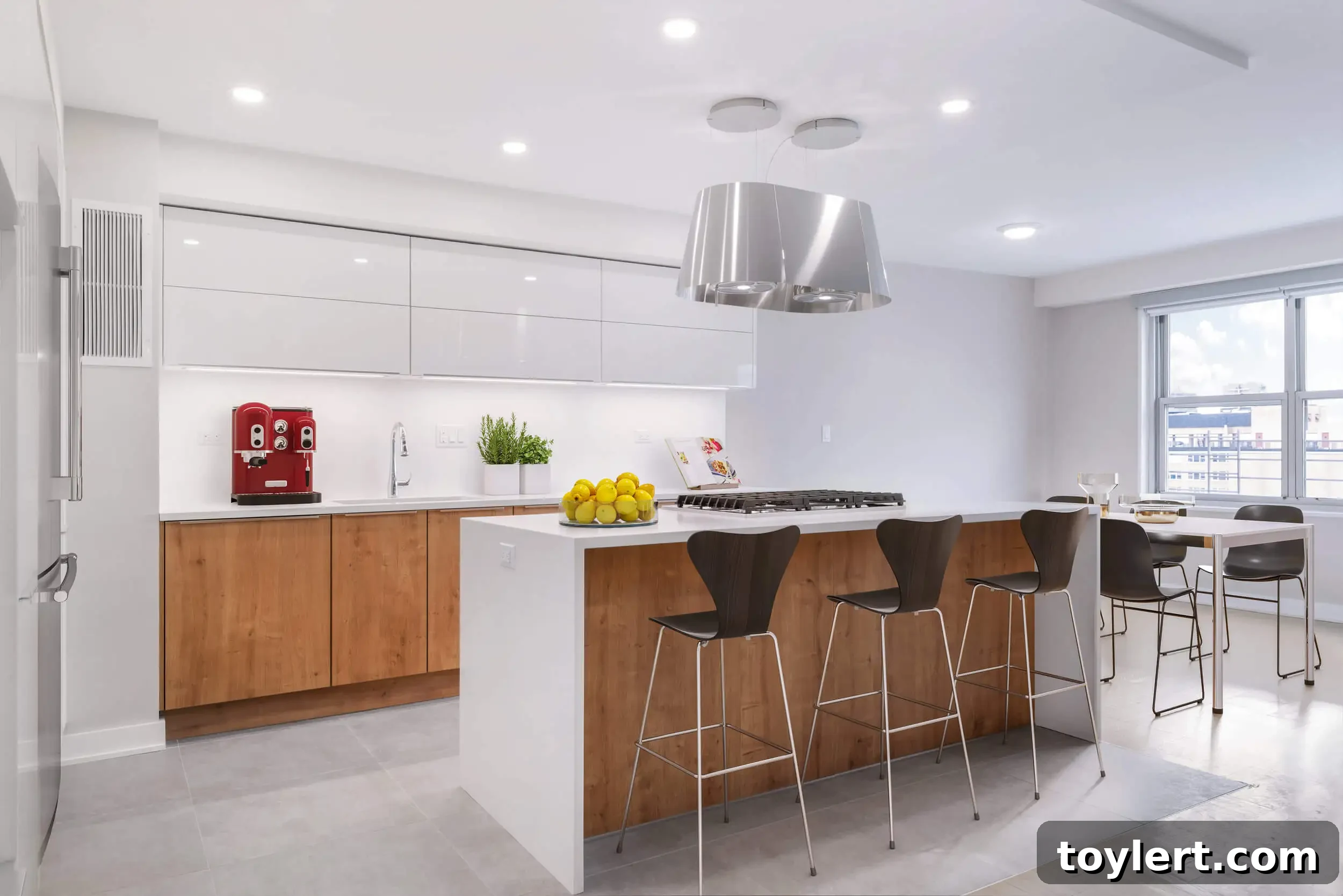
- Balancing Preservation and Modernity: Strive for renovations that respect the home’s original architecture while integrating contemporary amenities. For instance, restoring original moldings while updating the kitchen to a modern, open-concept design.
- Kitchen and Bathroom Updates: These areas typically offer the highest return on investment (ROI). Focus on quality materials, efficient layouts, and timeless designs that appeal to a broad range of tastes.
- Basement and Cellar Conversion: Many brownstones have untapped potential in their lower levels. Converting a damp basement into a functional living space, home office, or additional rental unit can significantly increase livable square footage and property value.
- Curb Appeal: Restoring the facade, repairing stoops, updating windows (while adhering to historic district guidelines), and landscaping can dramatically enhance the home’s exterior appeal and overall value.
- Mechanical Upgrades: Investing in new plumbing, electrical wiring, and HVAC systems might not be glamorous, but they are crucial for safety, efficiency, and long-term livability. High-efficiency systems can also lead to energy savings.
- Working with Specialists: Engage architects, contractors, and designers who have specific experience with historic brownstones. They understand the unique challenges, materials, and permitting processes involved, ensuring your renovations are executed correctly and comply with all regulations.
- Smart Home Technology: Discreetly integrating smart home features for lighting, climate control, security, and entertainment can add modern convenience without detracting from the home’s historic charm.
Thoughtful renovations not only enhance your personal enjoyment of the home but also protect and increase its long-term value in the market.
Your Gateway to Expert Insights: Brownstones and Townhouses 101
Navigating the intricate world of brownstones and townhouses requires comprehensive knowledge and the wisdom of seasoned professionals. That’s precisely what you gain from resources designed to streamline this complex process. For an evening of invaluable conversation with top real estate experts, delving deep into these critical topics, consider an event like “Brownstones and Townhouses 101.”
Such opportunities offer a unique platform to:
- Gain an up-to-the-minute assessment of the current brownstone and townhouse market.
- Learn exactly what discerning buyers should look for during property evaluations.
- Discover proven strategies for securing financing, even in the most challenging scenarios.
- Understand the fundamentals of being a landlord, should your property include rental units.
- Explore renovation ideas that not only enhance livability but also maximize your property’s long-term value.
Eliminate the stress and uncertainty from your buying journey. Equip yourself with the knowledge and confidence needed to make one of life’s most significant investments. For a deeper dive into these topics and to learn from industry leaders, we encourage you to seek out expert panels and workshops. For a valuable example of such an event, explore resources like Brownstones and Townhouses 101, where insights from real estate professionals can illuminate your path to successful homeownership.
Conclusion: Empowering Your Brownstone Journey
Purchasing a brownstone or townhouse is an exciting venture that promises not just a home, but a connection to history and a sound investment. By approaching the process with a clear understanding of the market, a discerning eye for quality, a strategic financing plan, a grasp of landlord responsibilities, and a vision for smart renovations, you can transform a potentially daunting task into a rewarding experience. The key lies in leveraging expert knowledge and taking a structured, informed approach every step of the way. With the right guidance, your dream brownstone is well within reach.