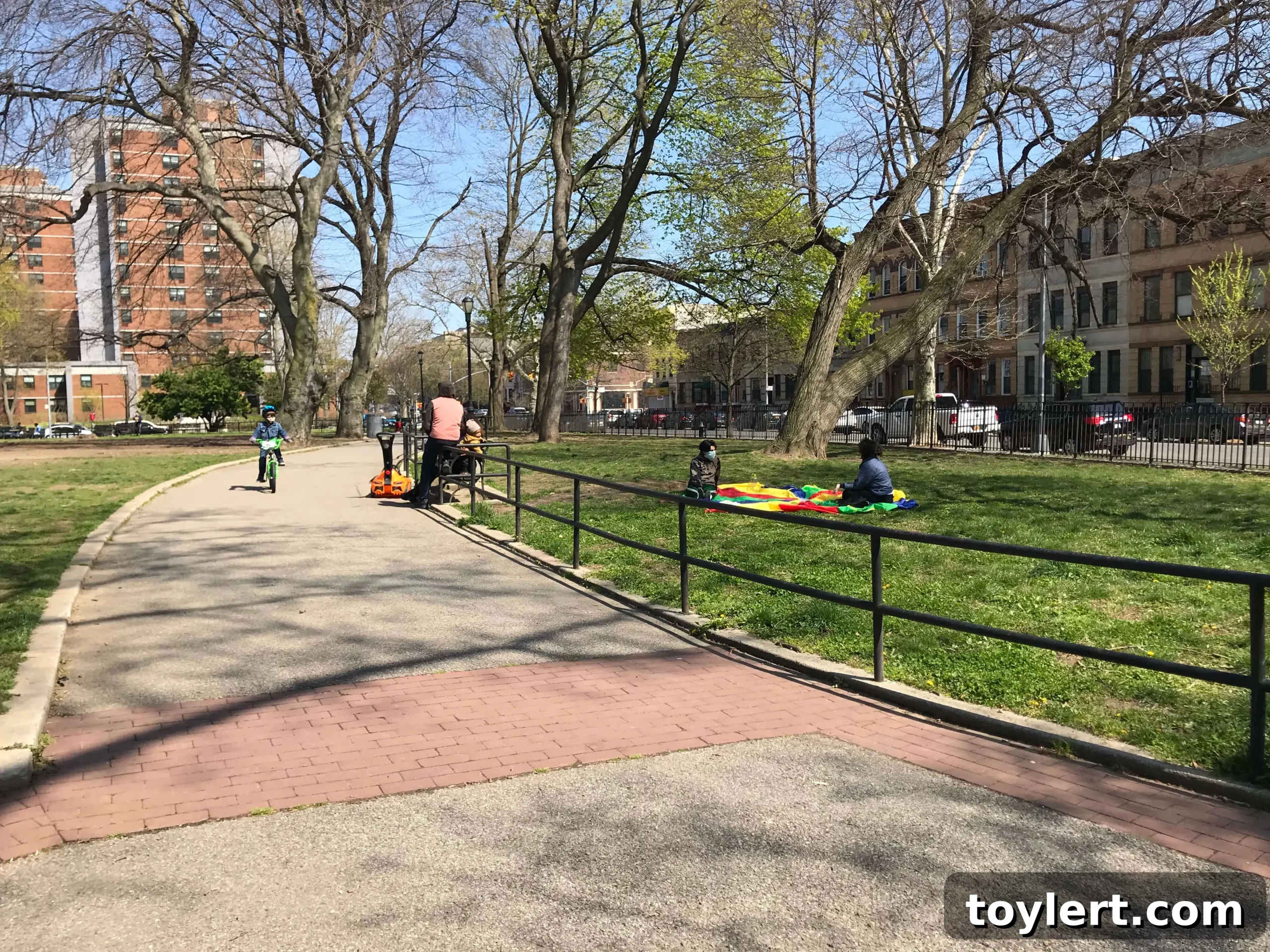
The sixth week of sheltering in place has drawn to a close for many New Yorkers, marking the twentieth day of an unprecedented home-schooling regimen across the city. This period has undeniably reshaped daily life, transforming bustling avenues into quiet corridors and shifting the rhythms of work, education, and social interaction. As New York City grapples with the lingering effects of the global pandemic, a complex tapestry of challenges and cautious optimism emerges, with critical issues ranging from public health strategies to the economic viability of its beloved local businesses. The resilience of Brooklyn, a vibrant borough known for its diverse communities and entrepreneurial spirit, is being tested in ways unimaginable just months ago, as residents and leaders navigate an uncertain path towards recovery and a redefined future.
One of the most pressing concerns for New York’s leadership, particularly Governor Cuomo, has been the formulation of a comprehensive plan for a phased reopening. This strategy, vital for reigniting the city’s economy and restoring a semblance of normalcy, hinges significantly on the widespread availability and accuracy of antibody testing. The concept is straightforward: identify individuals who have developed antibodies, presumably indicating some level of immunity, to allow them to return to work and social activities with reduced risk. However, the practical application of this plan has been fraught with difficulties. Initial reports have indicated that many of the available antibody tests are proving alarmingly unreliable, with some exhibiting false results in the staggering 80 percent range. This critical flaw introduces a dangerous layer of uncertainty, as inaccurate tests could lead to a false sense of security for some individuals, potentially exacerbating the spread of the virus, while others who have recovered might remain unduly restricted. The challenge of ensuring antibody test accuracy is paramount, as the integrity of the reopening strategy, and indeed public trust, depends heavily on a robust and reliable testing infrastructure. Without precise data, any steps towards lifting restrictions become speculative, risking both public health and further economic disruption.
Beyond the immediate health concerns, the economic fallout of the pandemic has been devastating, particularly for the bedrock of New York City’s economy: its small businesses. In Brooklyn, these local enterprises—ranging from beloved coffee shops and independent bookstores to neighborhood restaurants and innovative startups—are not just commercial entities; they are the heart and soul of their communities, providing jobs, unique character, and a sense of belonging. Recognizing their crucial role, federal initiatives, such as the Paycheck Protection Program (PPP), were launched to provide emergency loans designed to help these businesses keep their employees on the payroll. However, the initial rollout of these loans proved woefully insufficient to meet the overwhelming demand. Many small business owners in Brooklyn and across the nation found themselves caught in a bureaucratic tangle, facing rapidly depleted funds, and struggling to access the vital support needed to weather the unprecedented economic shutdown. The complexities of the application process, coupled with the sheer volume of applicants, meant that countless businesses teetered on the brink of permanent closure, threatening widespread job losses and the erosion of local economies. This urgent situation prompted Congress to consider additional relief measures, acknowledging the profound and ongoing need for more robust financial lifelines to prevent a systemic collapse of small and medium-sized enterprises. The future of Brooklyn’s vibrant commercial landscape, and indeed its unique identity, hinges on the effectiveness and accessibility of these critical economic support systems.
The urban landscape itself has undergone a dramatic transformation, nowhere more evident than in New York City’s iconic subway system. Once a symbol of the city’s ceaseless energy, carrying millions of commuters and tourists daily, the subways are now reported to be eerily deserted during off-peak hours. The sparse ridership reflects the widespread adherence to stay-at-home orders and the dramatic shift in commuting patterns. However, this emptiness has also brought to light a stark and heartbreaking reality: the escalating crisis among the city’s homeless population. Reports indicate that some homeless individuals, finding refuge in the desolate subway stations, have tragically been dying on platforms, victims of COVID-19. This grim situation underscores the disproportionate impact of the pandemic on the most vulnerable segments of society. The homeless, often lacking access to adequate healthcare, sanitation, and stable shelter, are at an exceptionally high risk of contracting and succumbing to the virus. Their exposure to crowded conditions in shelters, coupled with pre-existing health issues and limited resources, makes them particularly susceptible. The deserted subways, while a visible marker of the city’s pause, also serve as a poignant reminder of the unseen struggles faced by those on the margins, highlighting profound social inequities exacerbated by the health crisis. Addressing the public health challenges posed by homelessness during a pandemic requires a multifaceted approach, integrating housing solutions, medical care, and robust social support networks to protect this highly vulnerable population.
As New York City navigates these intricate challenges, the path forward requires a blend of scientific rigor, economic foresight, and profound social empathy. The unreliability of antibody tests demands a concentrated effort to develop and deploy more accurate diagnostic tools, ensuring that reopening decisions are based on sound, verifiable data rather than speculative assumptions. This means investing heavily in research, collaborating with leading medical institutions, and establishing clear guidelines for test validation and widespread distribution. Without confidence in testing, public health measures will struggle to gain traction, and the transition back to normal life will remain fraught with peril. Simultaneously, the struggle of small businesses necessitates a continuous and adaptable stream of financial support. The initial federal aid programs, while well-intentioned, revealed critical gaps in their ability to reach the most vulnerable businesses efficiently. Future iterations must be streamlined, more accessible, and tailored to the unique needs of diverse industries, particularly those integral to Brooklyn’s local economy. Providing direct grants, flexible loans, and clear guidance on navigating economic recovery will be vital not just for business owners, but for the countless individuals whose livelihoods depend on these enterprises. The vibrant streetscapes and community hubs that define Brooklyn are at stake, and proactive, sustained economic intervention is essential for their survival and eventual resurgence.
Furthermore, the pandemic has thrown into sharp relief the urgent need to address systemic social inequalities, particularly the plight of the homeless. The tragic deaths on subway platforms are a stark call to action, demanding a renewed commitment to providing safe, stable housing and comprehensive healthcare for all. This crisis presents an opportunity to reimagine social support systems, moving beyond temporary shelters to implement long-term solutions that prioritize dignity and well-being. Increased funding for homeless services, mental health support, and substance abuse treatment are not merely humanitarian gestures; they are critical public health imperatives that protect the entire community. As New Yorkers collectively confront the long-term ramifications of this unprecedented period, the spirit of resilience that defines the city will be paramount. Brooklyn, with its rich history of overcoming adversity, continues to demonstrate its capacity for innovation and community solidarity. From mutual aid networks supporting neighbors in need to local businesses creatively adapting their models, the borough is showing how collective action can mitigate hardship. Looking ahead, the lessons learned during this period—about public health preparedness, economic vulnerability, and social responsibility—will undoubtedly shape the city’s trajectory for decades to come. The goal is not merely to return to a pre-pandemic state, but to emerge as a stronger, more equitable, and more resilient New York City, fortified by the collective experience and guided by a commitment to a healthier, more secure future for all its residents.